
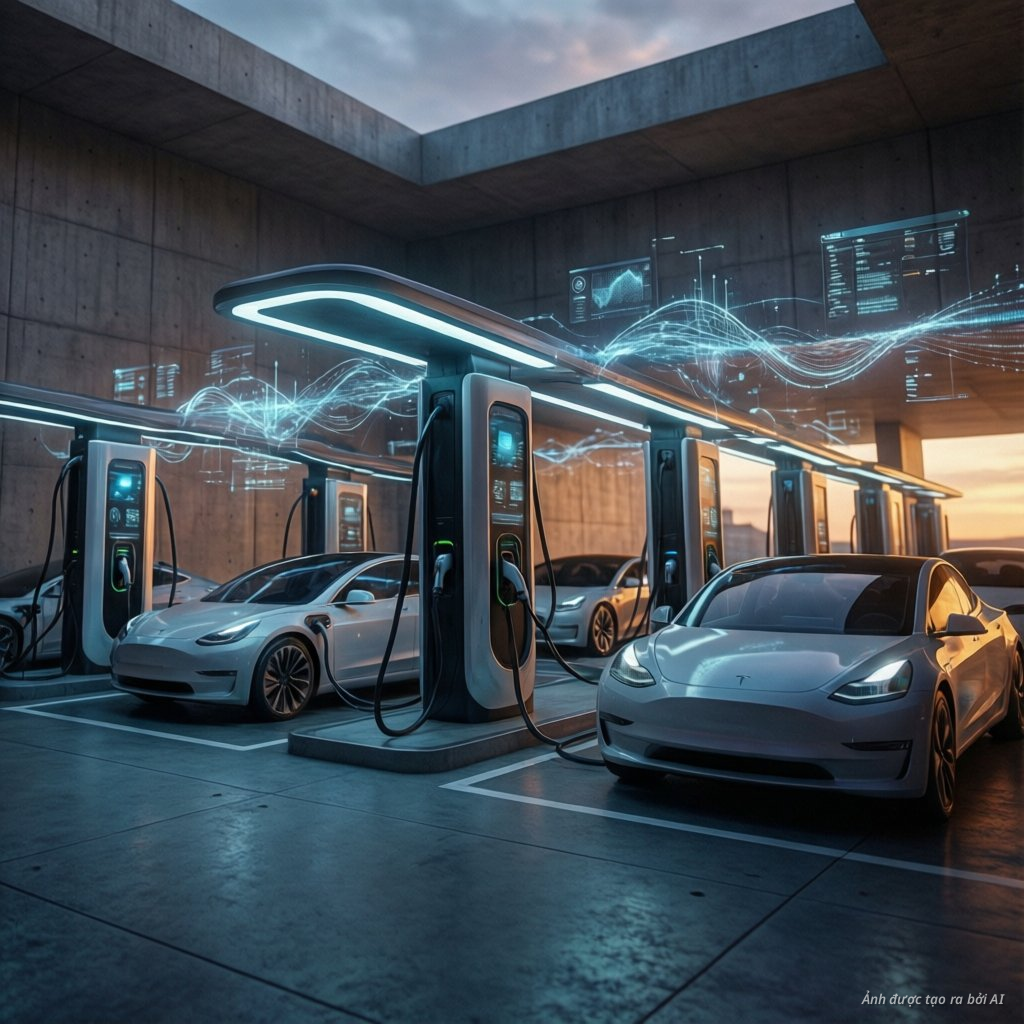
Electric vehicle (EV) adoption is accelerating globally, transforming the automotive landscape. As the industry scales, managing the complex lifecycle of these vehicles becomes a primary challenge for developers and engineers. Artificial intelligence (AI) serves as the backbone for this transition, enabling predictive intelligence and operational efficiency [1].
By leveraging real-time data, AI optimizes every stage of the EV journey. From initial manufacturing to second-life repurposing, intelligent algorithms drive down costs and enhance sustainability. Software engineers now play a critical role in building the digital infrastructure that supports this circular economy [3].
Design and manufacturing optimization
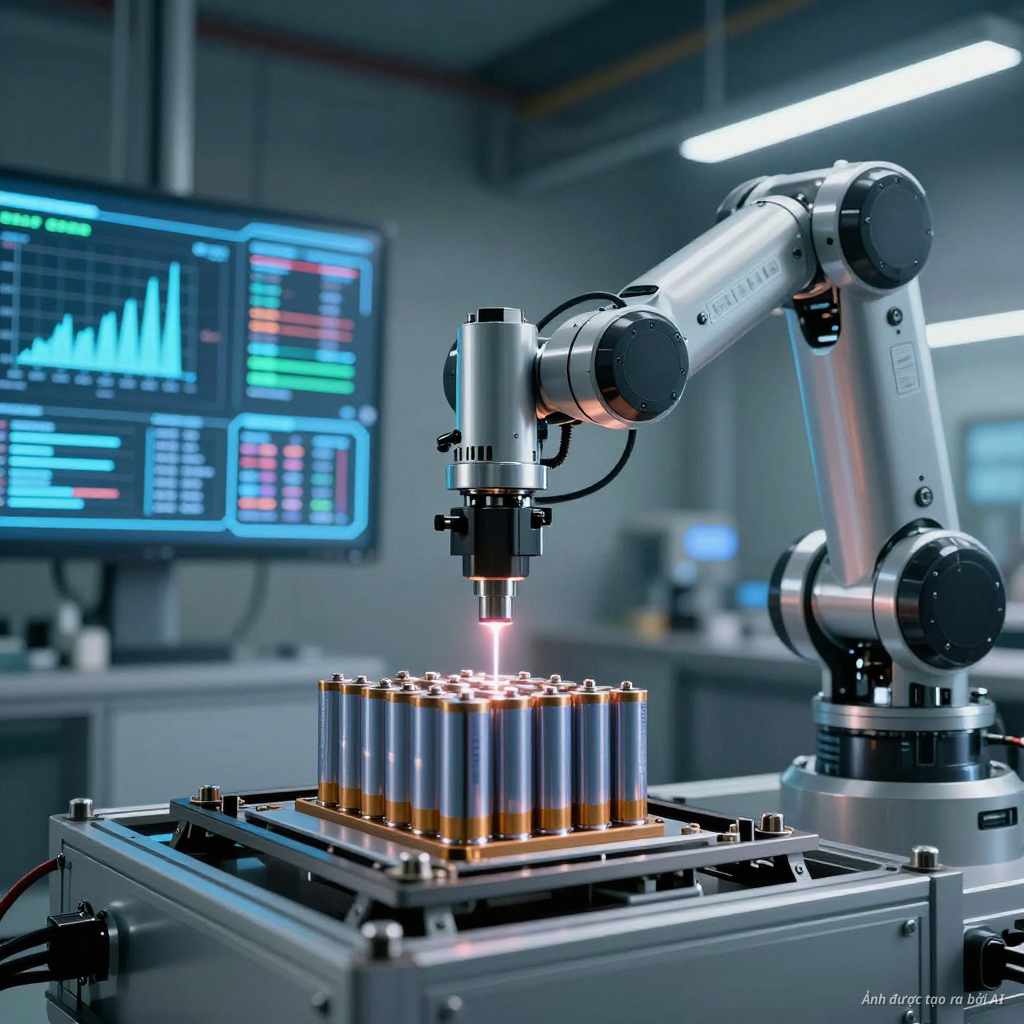
AI begins its influence long before a vehicle hits the road. Engineers use machine learning to accelerate the discovery of new battery chemistries. These models predict material stability, which significantly reduces research and development timelines.
Quality control also benefits from advanced computer vision. AI-powered systems inspect battery cells for microscopic defects during production. By identifying these issues early, manufacturers minimize the risk of thermal runaway and improve overall safety standards.
Furthermore, supply chain resilience relies on predictive analytics. Machine learning models forecast raw material shortages and geopolitical bottlenecks. This foresight allows companies to adjust production schedules proactively [3].
Operational phase and predictive analytics
The operational phase is where AI truly shines for fleet managers. Traditional Battery Management Systems (BMS) often rely on static, empirical models. In contrast, AI-driven BMS analyze non-linear degradation parameters in real-time [4].
These systems monitor temperature spikes, charging habits, and ambient conditions to estimate the State of Health (SoH) with high precision. By predicting the Remaining Useful Life (RUL), AI allows for proactive conditioning of battery packs. This prevents unexpected failures and maximizes asset uptime [2].
Smart charging and grid integration
AI algorithms are essential for modern energy management. They analyze dynamic electricity pricing and grid load to optimize charging cycles. This optimizing the electric vehicle lifecycle from design to end-of-life approach reduces degradation and operational costs.
Vehicle-to-Grid (V2G) technology represents the next frontier. AI coordinates bidirectional power flow between EVs and the grid. This allows fleets to function as distributed energy storage resources during peak demand periods [1].
Maintenance and fleet management
Predictive maintenance is a game-changer for commercial operators. Instead of following fixed service intervals, fleets use AI to monitor drivetrain, inverter, and HVAC components. These systems trigger service alerts only when necessary.
This shift from reactive to predictive maintenance reduces total cost of ownership (TCO). For large-scale logistics fleets, these savings are substantial. Data-driven insights ensure that vehicles remain on the road longer while maintaining peak performance [2].
Second-life repurposing and recycling
When a battery reaches 70–80% capacity, it is no longer ideal for high-range automotive use. However, it remains highly valuable for stationary storage. AI helps engineers quickly grade these batteries for second-life applications without destructive testing [4].
For batteries that reach their end-of-life, automated robotic dismantling is essential. AI-guided vision systems safely disassemble complex packs. This process enables the efficient recovery of high-purity minerals like lithium and cobalt [3].
Regulatory compliance, such as the EU Battery Regulation, mandates digital battery passports. AI provides the traceability required to track the carbon footprint and material composition across the entire global supply chain. This transparency is vital for a truly circular economy predictive battery analytics tools are becoming standard in this sector.
The future of AI-driven EV ecosystems
The integration of AI into EV management is not just a trend; it is a fundamental requirement for the industry. As we move toward a the circular electric vehicle battery supply chain: from mining to recycling model, software developers will continue to refine these algorithms.
Scalability remains the primary focus for the coming decade. As more vehicles connect to the cloud, the volume of data will grow exponentially. Edge computing will become increasingly important to process this data locally within the vehicle. This ensures low-latency decision-making while cloud-based models handle long-term trend analysis [2].
Ultimately, AI enables a more sustainable, efficient, and cost-effective future for electric mobility. By leveraging these technologies, developers are building the tools necessary to power the next generation of transportation [1].
More Information
- SoC (State of Charge): The current energy level of a battery expressed as a percentage of its total capacity, which AI monitors to prevent overcharging and ensure optimal usage.
- SoH (State of Health): A metric representing the condition of a battery compared to its original state, allowing AI to forecast degradation and remaining operational life accurately.
- RUL (Remaining Useful Life): The estimated time or distance a battery can function effectively before requiring replacement or transition to a second-life application.
- BMS (Battery Management System): An electronic control system that manages a rechargeable battery pack, which, when enhanced by AI, significantly extends battery lifespan and safety.
- TCO (Total Cost of Ownership): The comprehensive financial estimate of all costs associated with owning and operating an EV, which AI helps minimize through predictive maintenance and energy optimization.