
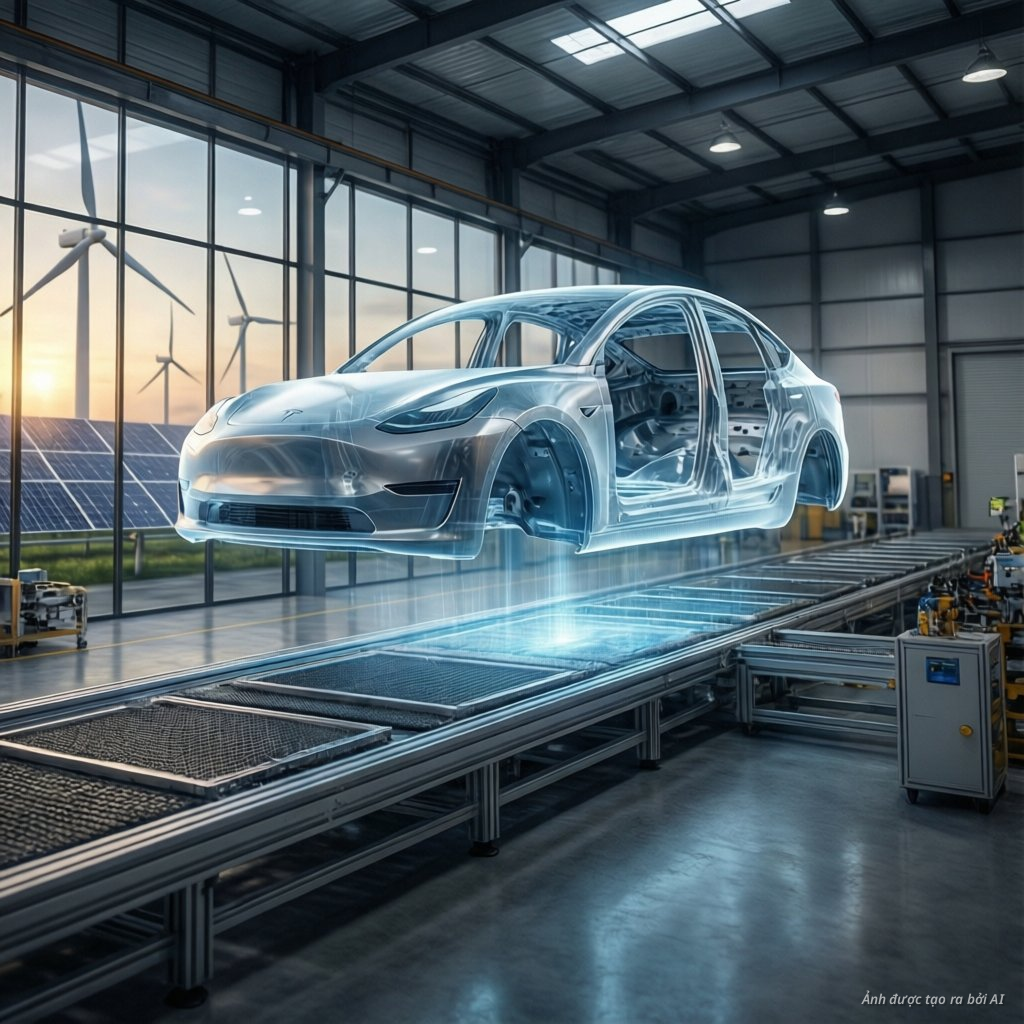
The global automotive industry is undergoing a profound transformation. As engineers and product managers, we must shift our focus from tailpipe-only emissions to a comprehensive cradle-to-cradle framework. This life cycle assessment (LCA) approach ensures that electric vehicles (EVs) deliver genuine environmental benefits throughout their entire existence [1].
Achieving true sustainability requires meticulous planning across four distinct stages. These include eco-design, low-carbon manufacturing, operational efficiency, and circular end-of-life management. By integrating these strategies, we can minimize the environmental footprint of modern mobility [4].
Sustainable design and material sourcing
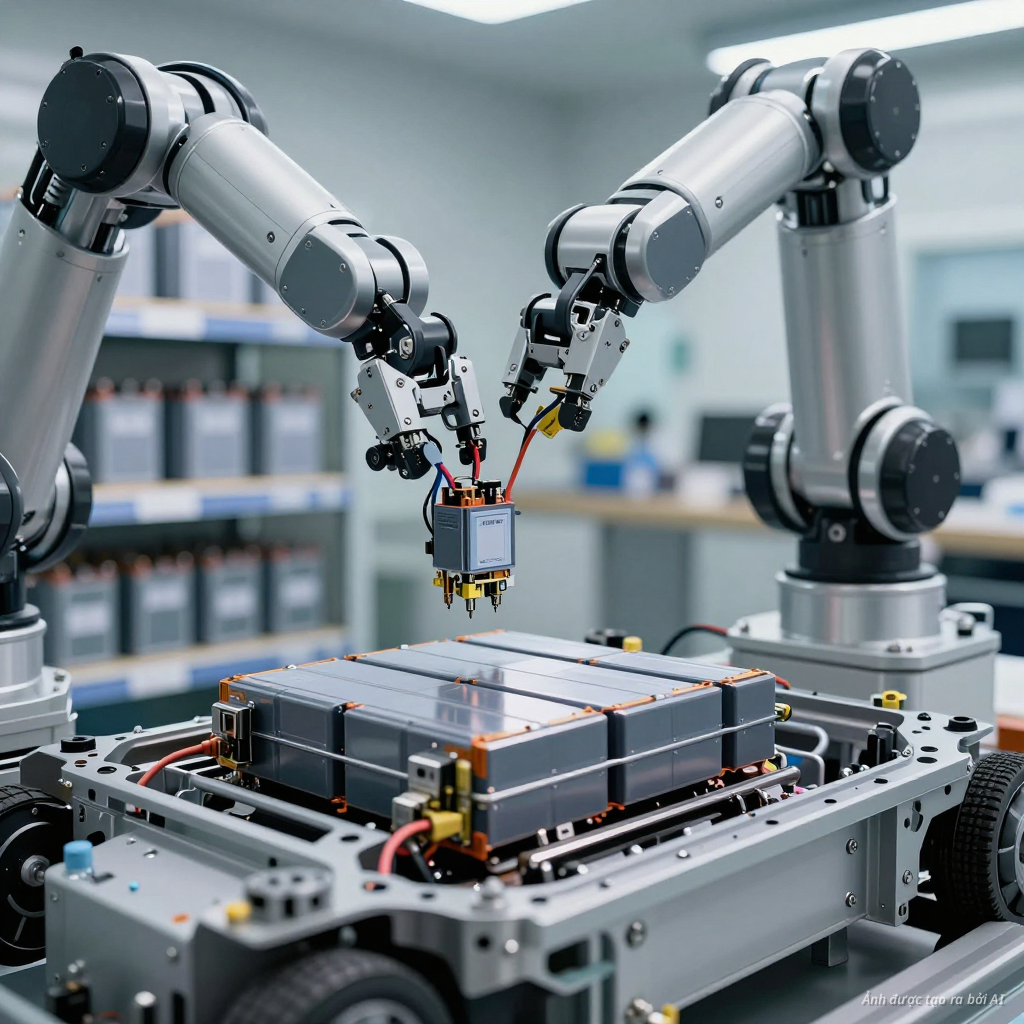
The foundation of an optimized lifecycle begins with eco-design. Designers must prioritize “design for disassembly” (DfR) to ensure that battery packs and vehicle frames are modular. This structural approach allows for easier repairs and component recovery without damaging core materials [3].
Material selection is equally critical for reducing embodied carbon. We are seeing a shift toward fossil-free steel, recycled aluminum, and bio-based polymers. Furthermore, optimizing battery chemistry—such as moving toward lithium iron phosphate (LFP) or sodium-ion—helps mitigate supply chain risks and mining impacts [1].
Decarbonizing the manufacturing process
Manufacturing an EV currently generates higher upfront emissions than an internal combustion engine (ICE) vehicle. This is largely due to the energy-intensive nature of battery cell production. In fact, cell manufacturing accounts for nearly 30% to 40% of total production emissions [4].
To address this, companies must transition gigafactories to 100% renewable electricity. Optimizing dry-room drying processes and localizing supply chains are also essential steps. By reducing transport-related emissions, manufacturers can significantly lower the carbon debt of a new vehicle before it reaches the consumer [3].
Maximizing operational efficiency
The climate benefit of an EV expands as regional power grids transition to renewable energy sources. Over a typical lifespan of 200,000 kilometers, EVs consistently outperform ICE counterparts, even on coal-heavy grids [4]. You can learn more about electric vehicle emissions through official energy databases.
Technological optimization plays a vital role in the use phase. Engineers are maximizing efficiency through advanced regenerative braking and lightweight aerodynamics. Additionally, cloud-based battery management systems (BMS) with over-the-air (OTA) updates ensure that the vehicle operates at peak performance throughout its life [1].
Smart charging and grid integration
Vehicle-to-grid (V2G) technology transforms EVs from simple transport assets into distributed energy storage systems. This integration helps stabilize power grids during peak demand hours. It also provides a secondary service that adds value to the vehicle owner and the utility provider [1]. For those interested in infrastructure, electric vehicles and the national grid: energy challenges provides a deeper look at these requirements.
Circular economy and end-of-life strategies
When an EV battery degrades below 70% or 80% capacity, its life is far from over. These units are ideal for second-life applications in stationary energy storage systems. They can support renewable energy buffering or provide telecom backup power for another 5 to 10 years [3].
Advanced recycling methods are the final piece of the puzzle. Hydrometallurgy and direct recycling allow for the recovery of up to 95% of critical minerals like lithium, nickel, and cobalt. These methods consume less energy than traditional smelting processes [3]. You can explore more about battery recycling trends to stay ahead of industry shifts.
Global regulatory drivers
Regulatory frameworks are becoming increasingly stringent to ensure compliance with sustainability goals. The EU battery regulation is a prime example of this shift. It mandates carbon footprint declarations and establishes minimum quotas for recycled material content [2].
The introduction of the digital battery passport is another major development. This tool tracks material origin, recycled content, and health status throughout the lifecycle. Such transparency is essential for building trust and ensuring that manufacturers remain accountable for their products [2].
Comparing EV and ICE lifecycles
The transition from ICE vehicles to EVs is a clear win for the environment. While ICE vehicles produce continuous tailpipe emissions, EVs offer a path to zero-emission mobility. Furthermore, the high value of recovered battery minerals makes the EV lifecycle a cornerstone of the circular economy [4].
- Manufacturing: EVs have higher upfront emissions but lower long-term impact.
- Use phase: EVs benefit from grid decarbonization over time.
- End-of-life: EVs provide critical material recovery, unlike traditional scrap.
As we look toward 2026 and beyond, the integration of these lifecycle strategies will define the leaders in the automotive market. By focusing on design, efficiency, and circularity, we create a more sustainable future for everyone [1].
More Information
- Life cycle assessment (LCA): A methodological framework used to quantify the total environmental impact of a product, from raw material extraction and manufacturing to its final use and end-of-life disposal.
- Digital battery passport: A secure digital record that tracks a battery’s lifecycle data, including its material composition, carbon footprint, repair history, and recycling status for regulatory compliance.
- Hydrometallurgical recycling: A chemical leaching process used to extract and purify valuable metals like lithium and cobalt from spent batteries at relatively low temperatures compared to traditional smelting.
- State of health (SoH): A critical metric that measures the current condition and capacity of a battery compared to its original factory specifications, determining its suitability for second-life applications.
- Second-life battery (SLB): An EV battery that has reached the end of its automotive utility but is repurposed for stationary energy storage, such as grid buffering or backup power systems.