
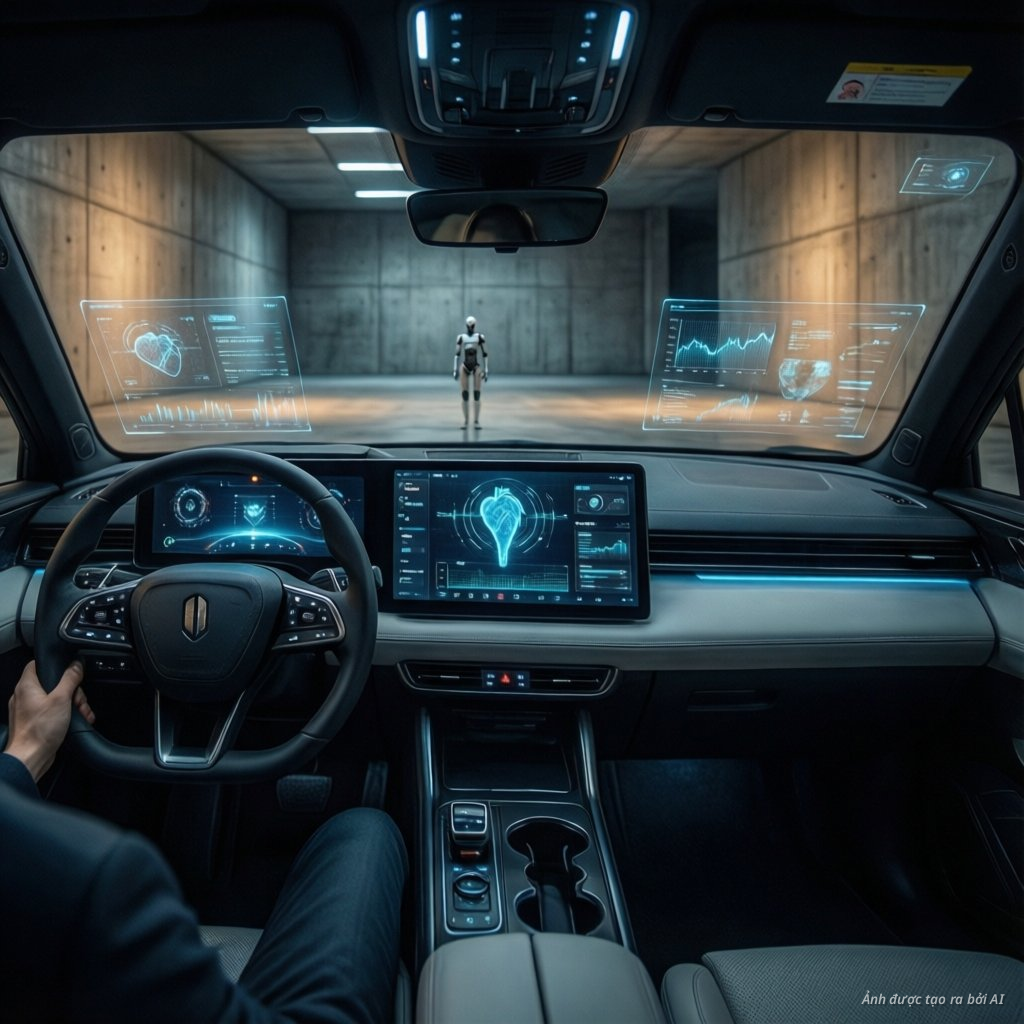
The automotive and health technology sectors are converging to address one of the most critical safety challenges on the road today: human error caused by fatigue and sudden health events. Driver monitoring systems have evolved from basic telematics into sophisticated AI-driven platforms that prioritize human physiological safety [5].
Modern vehicles now integrate advanced sensors to track attentiveness in real time. These systems provide a proactive layer of protection for both commercial fleets and private passenger vehicles [1].
Understanding the core technology behind driver monitoring
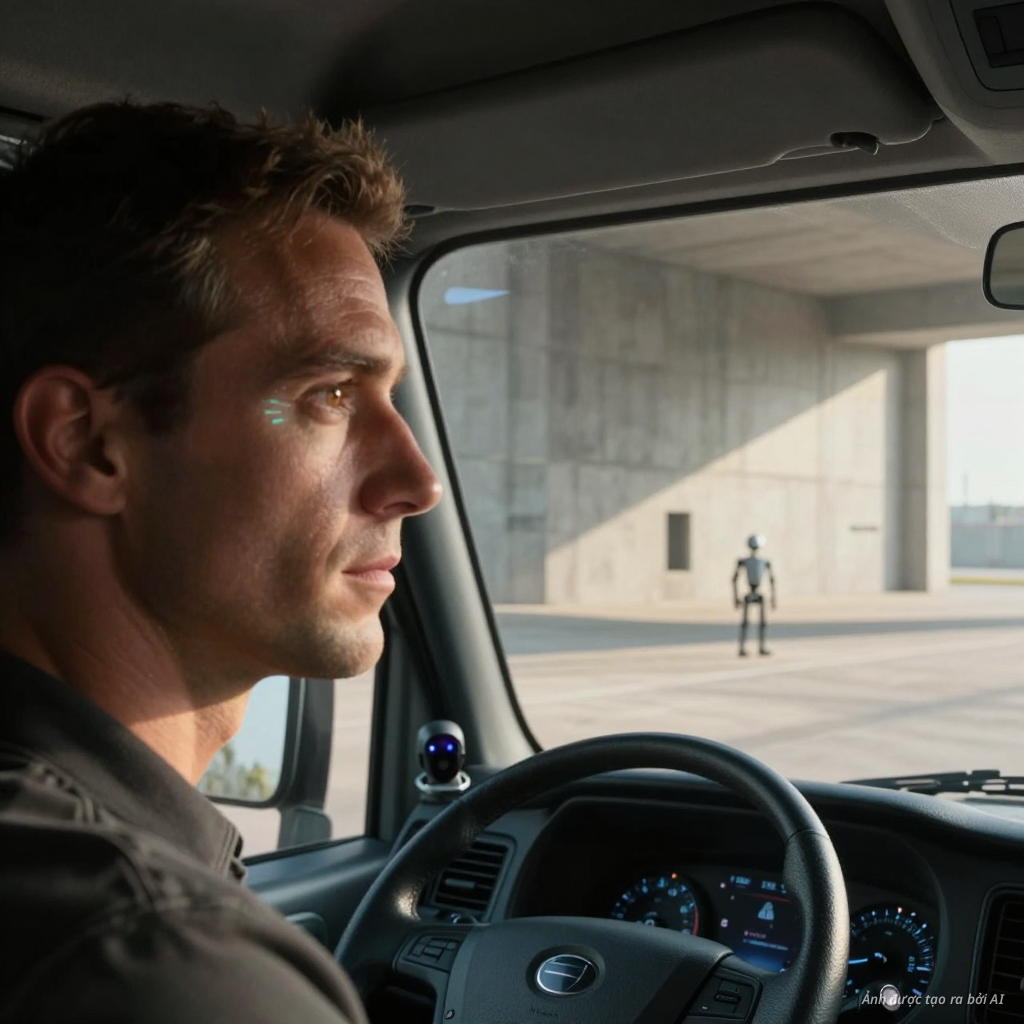
At the heart of these systems lies computer vision and optical AI. These technologies analyze facial features to determine if a driver is distracted or drowsy [2]. By measuring the percentage of eye closure, or PERCLOS, the software can detect micro-sleep events before they lead to accidents.
Furthermore, Smart Eye provides specialized AI-powered interior sensing that tracks head motion and gaze. This ensures that the vehicle understands the driver’s focus, even if they are wearing sunglasses or a hat. Such precision is vital for how advanced driver assistance systems enhance road safety in diverse driving environments.
Biometric integration and health tracking
Beyond simple visual tracking, the industry is moving toward deep biometric integration. Wearable devices, such as smartwatches, now sync with vehicle systems to provide continuous health data [4]. This includes monitoring heart rate variability, pulse waves, and respiration rates.
By utilizing Garmin Health solutions, fleet managers can assess a driver’s readiness before they even start their shift. This proactive approach helps mitigate risks associated with sudden medical emergencies like heart attacks or strokes during transit.
The role of AI in fleet safety
Commercial logistics companies are the primary adopters of these integrated safety platforms. Seeing Machines has pioneered the use of 24/7 monitoring centers to support heavy transport operations [1]. These systems stream real-time video and biometric alerts to safety managers.
This immediate feedback loop allows for rapid intervention. If a driver exhibits signs of severe fatigue, the system triggers haptic seat vibrations or audible alarms to re-engage their attention. This level of Cipia visual sensing technology is becoming the gold standard for fleet risk management [3].
Regulatory drivers and market standards
Global regulations are accelerating the adoption of these technologies. The European Union has mandated driver drowsiness and attention warning systems for all new vehicle registrations [5]. These requirements force manufacturers to integrate robust monitoring hardware as a standard feature.
Additionally, Euro NCAP ratings now heavily weigh internal sensing capabilities. Vehicles that lack these safety features may struggle to achieve top-tier safety scores. Consequently, the automotive industry is rapidly transitioning toward a future where the car is as aware of the driver as the driver is of the road.
Distinguishing between telematics and health monitoring
It is important to differentiate between standard vehicle telematics and advanced health monitoring software. Traditional telematics focus on vehicle dynamics like speed, location, and fuel consumption. In contrast, modern health monitoring software focuses on the human element [3].
While standard telematics are reactive, detecting erratic driving after it occurs, health monitoring is predictive. By analyzing physiological data, the system identifies potential issues before lane drift or harsh braking ever happens. This shift from reactive to proactive safety is the most significant advancement in user-centric automotive interior design: the future of mobility.
Future outlook for automotive health tech
The future of driving lies in the seamless fusion of medical data and vehicle control systems. As AI models become more refined, false positives will decrease, leading to higher driver trust. We can expect to see more integration with smart infrastructure, where vehicles communicate health alerts to emergency services automatically.
For technology companies, the focus remains on privacy and data security. Ensuring that biometric data is processed locally within the vehicle is a key priority for developers. As these systems scale globally, they will undoubtedly save thousands of lives by preventing fatigue-related collisions.
More Information
- Seeing Machines: A global leader in computer vision technology that provides advanced driver monitoring systems to detect fatigue and distraction in commercial and passenger vehicles.
- Smart Eye: A provider of AI-powered interior sensing software that tracks eye movement and head position to enhance safety for automotive OEMs.
- Cipia: A company specializing in AI-based driver sensing solutions that provide real-time alerts to fleet managers and telematics providers to improve road safety.
- Garmin Health: A division of Garmin that integrates wearable biometric data, such as heart rate and sleep metrics, into automotive platforms for proactive driver fatigue management.
- Driver monitoring system: An integrated safety solution that uses AI and sensors to monitor a driver’s physiological state, attentiveness, and health to prevent accidents caused by human error.