
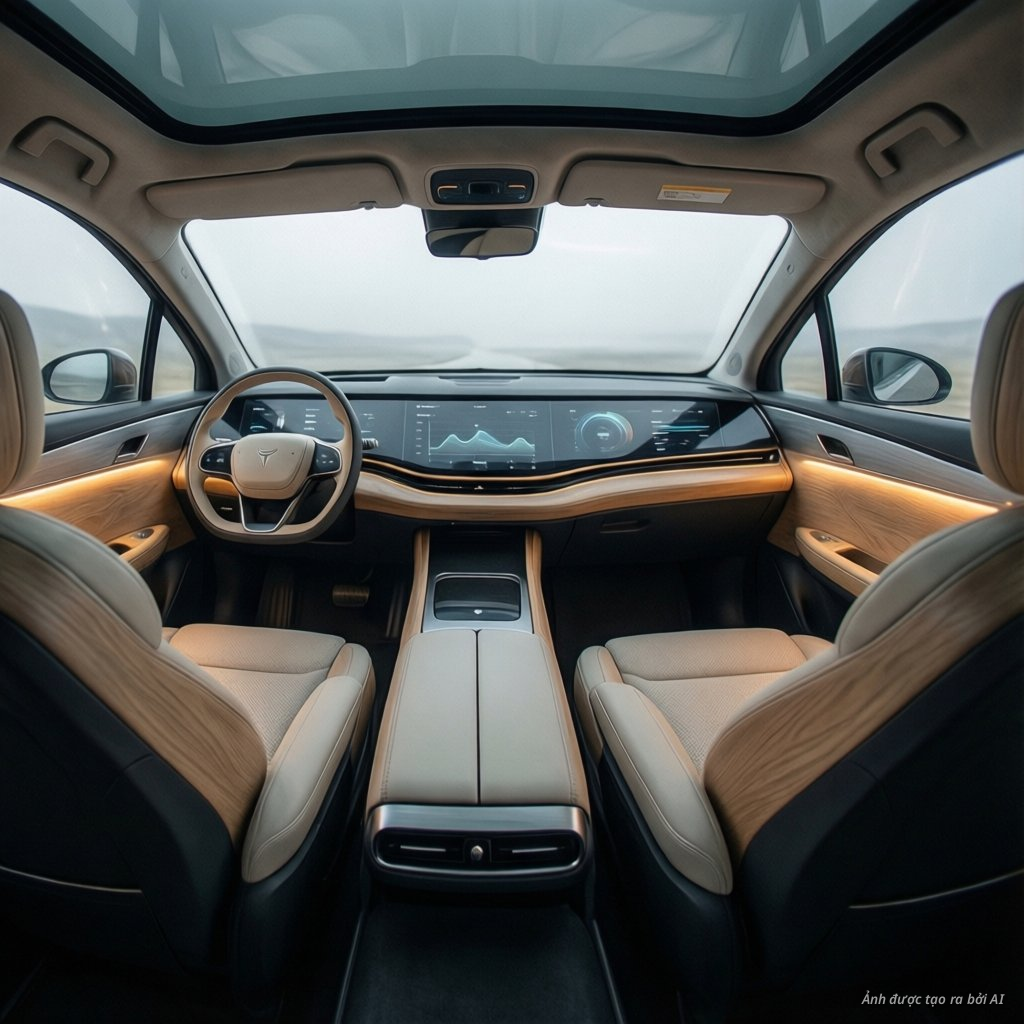
The automotive industry is undergoing a profound transformation. As vehicles shift toward electrification and autonomous capabilities, the cabin is evolving rapidly. Designers are no longer just creating a driver’s cockpit. They are architecting a “third living space” that prioritizes the user experience above all else [2].
Modern interior design must balance complex digital integration with physical comfort. This shift requires a deep understanding of human behavior, cognitive ergonomics, and sustainable material science. By placing the user at the heart of the process, manufacturers can build deeper emotional connections with their customers [1].
The rise of the software-defined vehicle
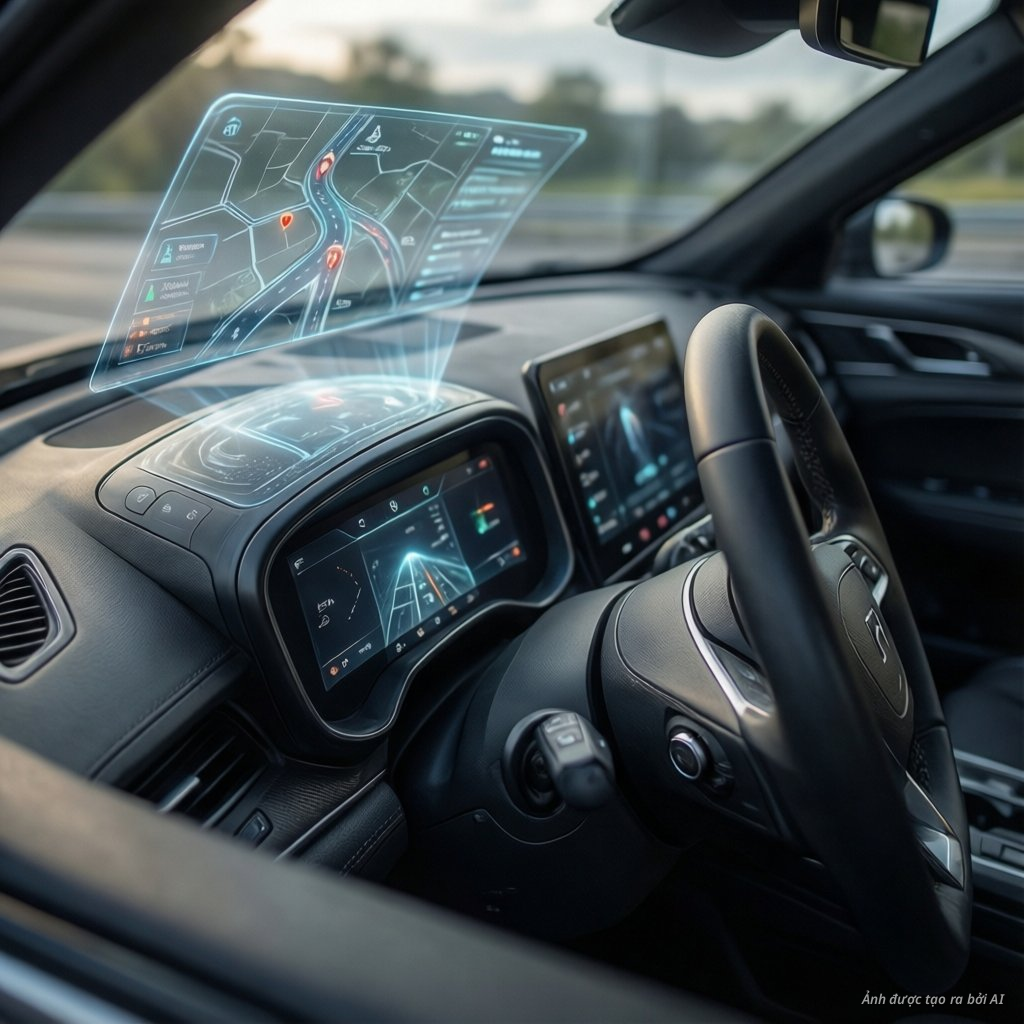
The software-defined vehicle (SDV) era is fundamentally changing how we interact with cars. Interiors are becoming dynamic environments that adapt to the user’s needs through over-the-air updates [5]. This flexibility allows for personalized settings that evolve long after the vehicle leaves the factory floor.
Designers must now think like software engineers. They consider how user experience solutions can be updated to improve safety and convenience over time. This approach ensures that the cabin remains relevant in a fast-paced digital world [4].
Human-machine interface and cognitive ergonomics
Effective human-machine interface (HMI) design is critical to reducing driver distraction. While touchscreens are popular, they are not always the safest solution for every task. Many industry leaders are now rewriting the rules of car interior design by reintroducing physical controls for essential safety functions [2].
Multimodal interaction is the new standard. This includes a blend of voice assistants, haptic feedback, and gesture controls. Furthermore, augmented reality head-up displays (AR-HUDs) help keep the driver’s eyes on the road. These systems project vital information directly into the driver’s field of vision, significantly enhancing safety [4].
Spatial versatility in electric vehicles
Electric vehicle (EV) platforms offer unique advantages for interior designers. The absence of a traditional transmission tunnel allows for a flat-floor architecture. This design freedom opens up new possibilities for cabin layout and storage [5].
In the future, autonomous driving will change how we use this space. Imagine a cabin that transforms into a mobile office or a relaxation lounge. Swiveling seats and retractable steering wheels are already appearing in concept vehicles. These features demonstrate how the future of driving: understanding gesture control interfaces in cars will influence spatial design.
Personalization through biometric monitoring
Modern interiors are becoming more intuitive through in-cabin sensing systems. These systems monitor driver fatigue and stress levels using cameras and radar. Once the system detects a change in the user’s state, it can automatically adjust the climate, lighting, and audio [4].
Comfort is also being redefined through smart seating technology. “Zero-gravity” seats are designed to reduce muscle tension during long journeys. These systems adapt to the passenger’s body, providing a personalized experience that feels bespoke to every individual [3].
Sustainability and health-conscious materials
Today’s consumers demand interiors that are both luxurious and environmentally responsible. Automakers are rapidly adopting circular economy principles. They are replacing traditional petroleum-based plastics with recycled materials like ocean waste PET and bio-based synthetic leathers [1].
Health is another pillar of modern design. Clean cabin technology, including advanced HEPA filtration and UV-C sterilization, is becoming standard. These features ensure that the cabin environment is not only comfortable but also promotes the well-being of all occupants [1].
The impact of design on brand loyalty
Design is a key differentiator in a crowded market. When a vehicle’s interior feels intuitive and welcoming, customers are more likely to remain loyal to the brand. Recognition from industry experts, such as the Wards 10 Best Interiors & UX winners, highlights the importance of balancing aesthetics with functional excellence [3].
Designers must continue to iterate based on real-world feedback. By utilizing how AI virtual assistants are revolutionizing automotive interaction, brands can create a seamless dialogue between the vehicle and the user. This ongoing connection is the hallmark of truly user-centric design.
Challenges for future designers
Despite these advancements, designers face significant challenges. Balancing the cost of high-tech features with the need for accessibility is a constant struggle. Additionally, ensuring that digital interfaces remain simple and non-intrusive requires rigorous testing and refinement [2].
Safety regulations are also evolving to keep pace with new technology. Designers must work closely with safety engineers to ensure that innovative features do not compromise the core mission of vehicle safety. Collaboration across departments is essential for success in this complex landscape [5].
Conclusion
User-centric design is no longer an optional luxury; it is a necessity for the modern automotive industry. By focusing on HMI, spatial versatility, and sustainable materials, designers can create vehicles that truly serve the needs of their users. The transition to software-defined and autonomous vehicles offers a blank canvas for innovation.
As we look to the future, the most successful brands will be those that prioritize the human experience. By listening to the user and embracing new technologies, designers will redefine what it means to travel. The journey toward a more intuitive, safe, and sustainable cabin is only just beginning [1].
More Information
- Human-machine interface (HMI): The set of technologies and design elements that allow a user to interact with a vehicle’s systems, including touchscreens, voice control, and physical buttons.
- Software-defined vehicle (SDV): A vehicle that relies on software to manage its features and functions, allowing for continuous improvements and new capabilities via over-the-air updates.
- Cognitive ergonomics: The study of how automotive design interacts with human mental processes, such as perception and memory, to minimize driver distraction and mental workload.
- Flat-floor architecture: A design approach enabled by electric vehicle platforms that removes the transmission tunnel, providing more interior space and flexibility for seating configurations.
- Circular economy: A production and consumption model that involves reusing, repairing, and recycling existing materials to minimize waste and environmental impact in vehicle manufacturing.