

Modern vehicle safety has evolved significantly over the last decade. Today, advanced driver assistance systems, commonly known as ADAS, serve as a critical layer of protection for drivers and their families. These electronic systems actively monitor the road to help prevent accidents before they happen.
For new drivers and families, understanding these technologies is essential. ADAS acts as a vigilant co-pilot, constantly processing data to reduce the impact of human error. By integrating sensors and AI, these systems provide real-time support during daily commutes and long road trips.
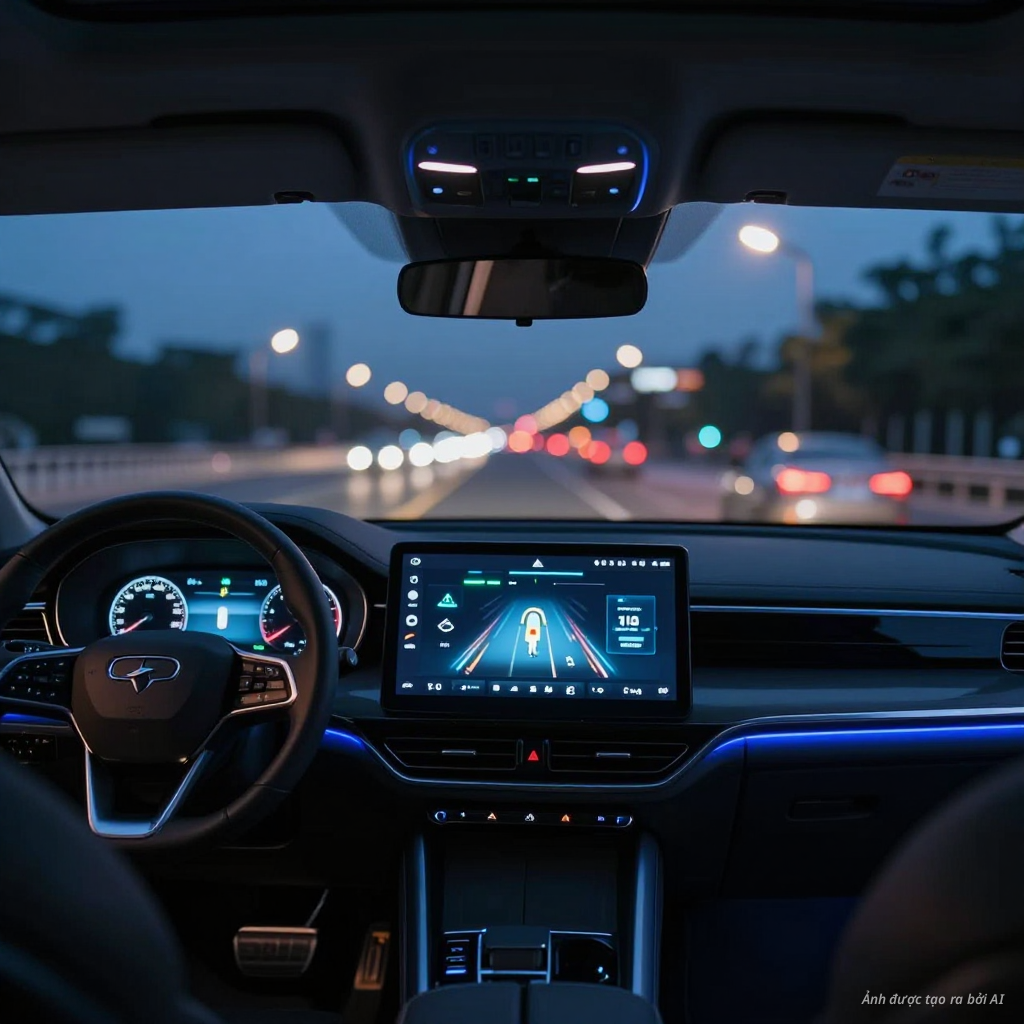
The core components of safety technology
ADAS relies on a complex suite of sensors to interpret the environment. These sensors allow the vehicle to “see” and “react” to potential hazards. Radar systems are frequently used to measure the distance and velocity of surrounding objects [4].
Cameras also play a vital role in modern safety. They identify traffic signs, lane markings, and pedestrians to assist the driver. Meanwhile, ultrasonic sensors manage low-speed maneuvers, such as parking in tight spaces. Together, these tools form a robust network of technology that keeps occupants safe.
Essential features for every family car
Several key features have become standard in modern vehicles to improve safety. Automatic emergency braking, or AEB, is perhaps the most significant advancement. It detects potential frontal collisions and applies the brakes if the driver does not react in time [1].
Adaptive cruise control is another valuable tool for long journeys. It maintains a safe distance from the vehicle ahead by automatically adjusting your speed. Furthermore, lane keeping assist monitors road markings to ensure the vehicle stays centered. These systems provide peace of mind for parents driving with children on busy highways.
Global safety mandates and regulations
Safety is now a global priority, leading to stricter regulations for manufacturers. In the United States, the NHTSA has mandated that all new passenger vehicles include AEB by 2029. This initiative is expected to save hundreds of lives every year [1].
The European Union has also implemented the General Safety Regulation, or GSR2. This mandate requires various safety technologies, including intelligent speed assistance and driver drowsiness warnings [2]. These global standards ensure that safety is not an optional luxury but a core feature of every new car.
Understanding the levels of automation
It is important for new drivers to understand that ADAS does not mean the car drives itself. The SAE J3016 standard defines six levels of automation, ranging from level 0 to level 5 [3]. Most consumer vehicles today operate at level 1 or level 2.
At level 2, the vehicle provides both steering and acceleration support. However, the driver must remain fully engaged and monitor the road at all times. You can learn more about specific vehicle capabilities by reading about the VF7 advanced driver assistance systems and autonomous driving capabilities to see how these features function in practice.
Why driver monitoring matters
Distraction and fatigue are major causes of road accidents. New interior camera systems, known as driver monitoring systems, track eye movement and head position. If the system detects signs of drowsiness, it alerts the driver to take a break.
This technology is particularly useful for families on long trips. It adds a layer of accountability that helps keep everyone in the vehicle safe. By combining these systems with the VF9 advanced driver assistance systems and autonomous driving capabilities, manufacturers are creating a safer future for all road users.
The future of vehicle safety
The integration of AI processors will continue to improve how vehicles process sensor data. Future systems will be faster and more accurate in identifying complex traffic scenarios. As technology progresses, we can expect even higher levels of protection for drivers.
For now, the best approach for any driver is to remain educated. Always read your vehicle manual to understand how your specific ADAS features work. Remember that technology is a supplement to, not a replacement for, attentive driving.
More Information
- Automatic emergency braking (AEB): A safety system that detects potential collisions with vehicles or pedestrians and automatically applies the brakes to mitigate or prevent an impact [1].
- General safety regulation (GSR2): A set of European Union mandates requiring new vehicles to be equipped with advanced safety features to reduce traffic fatalities and injuries [2].
- SAE J3016: The industry-standard classification system for driving automation, ranging from level 0 (no automation) to level 5 (full automation) [3].
- Sensor fusion: The process of combining data from multiple sensors, such as radar, cameras, and LiDAR, to create a comprehensive and accurate view of the vehicle’s environment [4].
- Operational design domain (ODD): The specific conditions under which an automated driving system is designed to function, including road types, speed ranges, and weather conditions [3].