
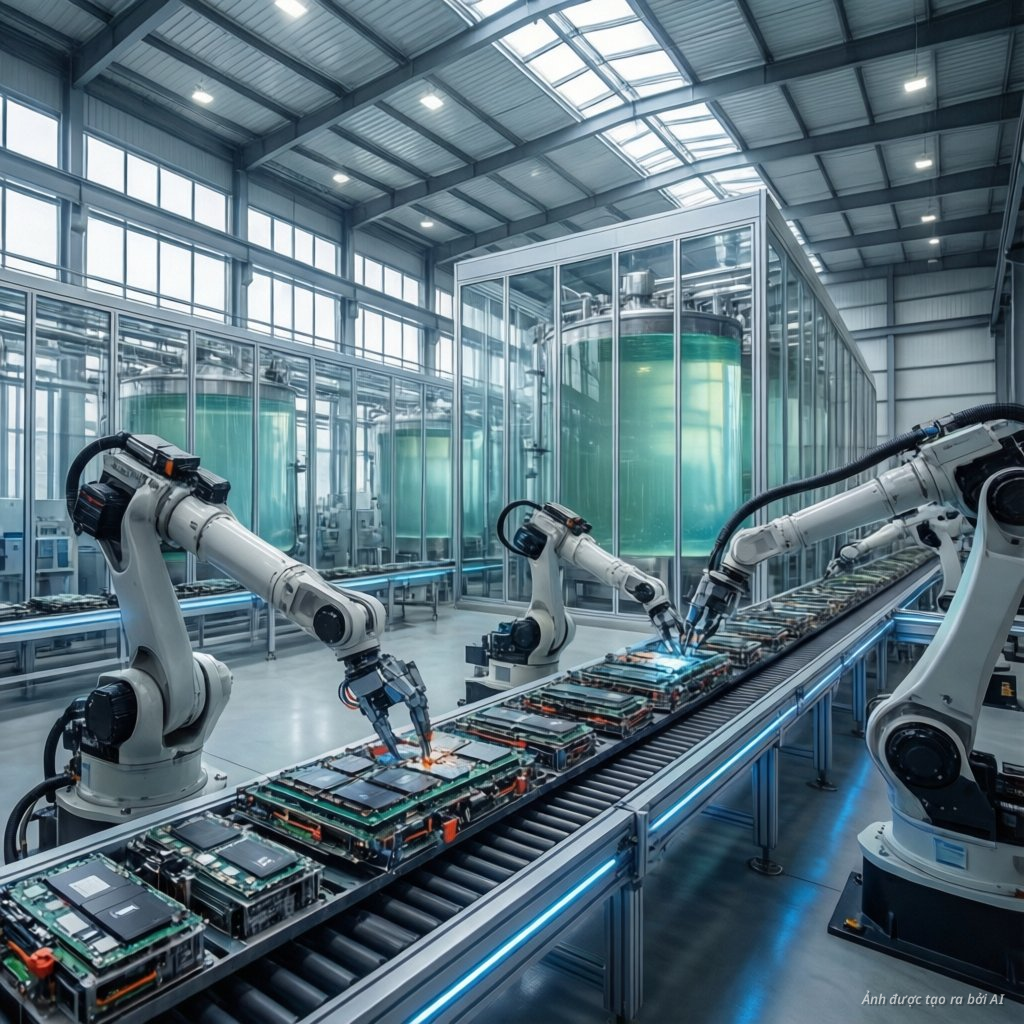
The global transition toward electric vehicles (EVs) has triggered an unprecedented demand for critical minerals. Lithium, nickel, cobalt, and manganese are now the backbone of the modern automotive industry. As the first generation of mass-market EVs reaches its end-of-life, the focus shifts toward sustainable resource management. Investing in battery recycling infrastructure is no longer just an environmental goal; it is a strategic necessity for national security and supply chain resilience [1].
Governments and private investors are currently evaluating the economic viability of this emerging sector. Market projections suggest that the industry could grow from under $3 billion in 2022 to over $30–$40 billion by 2040 [1]. This growth is driven by rising mineral demand and the urgent need to secure domestic supply chains. McKinsey & Co. provides deep insights into how battery recycling takes the driver seat in the automotive transition.
The strategic case for investment
The primary driver for investment is the mitigation of geopolitical risk. Currently, the mining and refining of critical minerals are geographically concentrated, with a few nations controlling over 70% of global capacity [1]. By establishing local recycling infrastructure, countries can recover valuable materials from “urban mines.” This approach significantly reduces reliance on foreign imports and ensures a steady supply of battery-grade raw materials.
Furthermore, recycling offers superior resource efficiency compared to traditional mining. Urban mining requires substantially less land and water than primary extraction processes. This aligns with global ESG (Environmental, Social, and Governance) mandates, as hydrometallurgical recycling generates 30% to 50% fewer greenhouse gas emissions than virgin material production [1]. Investors who prioritize sustainable portfolios find this sector increasingly attractive.
Regulatory frameworks as market catalysts
Government policy remains the most significant catalyst for infrastructure development. The European Union has implemented the 2023/1542 Battery Regulation, which sets aggressive recovery targets for lithium, cobalt, and nickel [1]. By 2031, manufacturers must incorporate specific levels of recycled content into new batteries. This creates a guaranteed market for recycled materials.
In the United States, the Inflation Reduction Act (IRA) provides critical tax incentives for domestic processing [1]. These policies lower the barrier to entry for private companies. The International Energy Agency’s Global EV Outlook highlights how these regulatory frameworks are essential for scaling the circular economy. Governments that provide clear, long-term policy signals attract more capital investment than those with uncertain regulatory environments.
Addressing the feedstock challenge
Despite the long-term potential, investors must navigate the timing lag of feedstock availability. EV batteries typically have a lifespan of 8 to 15 years. Consequently, large volumes of end-of-life batteries will not enter the waste stream in massive quantities until the late 2020s or early 2030s [1]. In the interim, recycling facilities must rely heavily on manufacturing scrap from gigafactories.
This dependency on manufacturing yield losses creates a temporary bottleneck. Investors must carefully assess the location of their facilities relative to major battery production hubs. Proximity to manufacturing clusters ensures a consistent supply of scrap during the early years of operation. For more information on this, see the circular electric vehicle battery supply chain: from mining to recycling.
Economic and technical hurdles
Profitability is not guaranteed and depends heavily on battery chemistry. The industry is seeing a rapid shift toward Lithium Iron Phosphate (LFP) batteries. Unlike NMC (Nickel Manganese Cobalt) chemistries, LFP batteries lack high-value cobalt and nickel. This makes lithium extraction the primary revenue driver, which is highly sensitive to price fluctuations [1].
Technical standardization also remains a significant challenge. Battery pack designs vary widely, with many using structural adhesives that make disassembly labor-intensive and dangerous. The World Economic Forum emphasizes the importance of design-for-recycling in the clean energy transition [3]. Without industry-wide standards, the cost of manual labor will continue to compress profit margins.
Logistics and safety risks
Transportation of spent batteries presents unique operational risks. Lithium-ion batteries are classified as Class 9 dangerous goods, requiring specialized handling and transport permits [1]. High thermal runaway risks necessitate expensive, explosion-proof containment during transit. These logistics costs are often overlooked by new entrants but represent a significant portion of operational expenditure.
For governments, the challenge lies in creating safe, standardized transport corridors. For investors, the challenge is building a logistics network that minimizes risk while maintaining cost efficiency. Companies that master safe, large-scale logistics will likely gain a competitive advantage. To learn more about industry standards, refer to global standardization of electric vehicle battery recycling processes.
The road ahead for stakeholders
The transition to a circular battery economy is inevitable. However, success requires a nuanced understanding of the intersection between technology, policy, and market demand. Investors should focus on companies that have secured long-term feedstock contracts and possess flexible processing technologies. Governments must continue to refine regulations to ensure they support, rather than hinder, technological innovation.
While challenges like price volatility and feedstock timing exist, the long-term outlook remains bullish. The strategic value of recovered minerals will only increase as the world moves toward full electrification. By addressing the current infrastructure gaps today, stakeholders can ensure a stable and sustainable future for the global automotive industry.
More Information
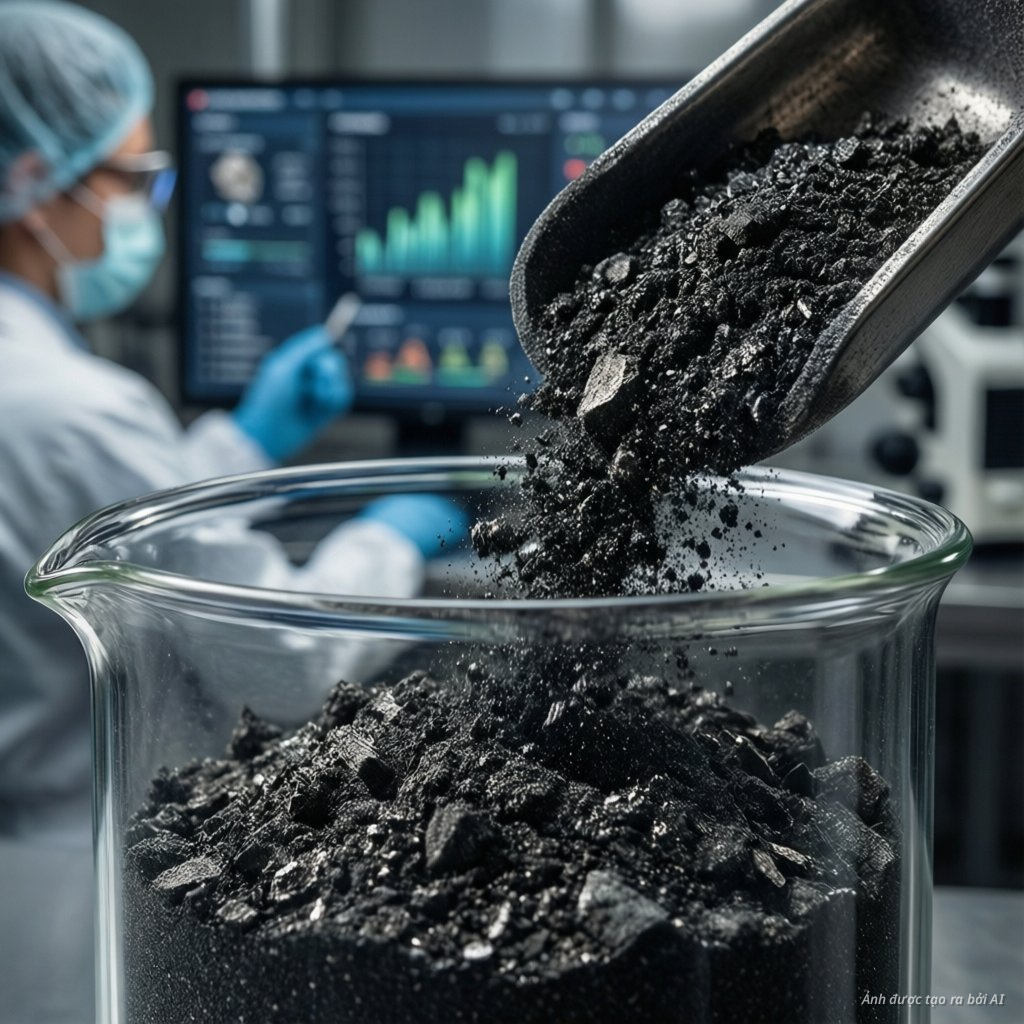
- Black mass: A dark, crushed powder produced after shredding used batteries. It contains high concentrations of lithium, nickel, cobalt, and manganese, serving as the primary commodity for hydrometallurgical refining [1].
- Hydrometallurgy: A recycling process that uses aqueous chemistry to recover metals from battery materials. It is preferred for its high recovery rates and lower carbon footprint compared to smelting [2].
- Urban mining: The process of reclaiming raw materials from end-of-life products, such as EV batteries, to reduce the environmental impact of traditional primary mining [3].
- LFP batteries: Lithium Iron Phosphate batteries, which are gaining market share due to their safety and cost. However, they are more difficult to recycle profitably than nickel-based chemistries [4].
- Thermal runaway: A dangerous condition in lithium-ion batteries where an increase in temperature causes a self-sustaining chemical reaction, leading to fire or explosion risks during transport [5].