

The rapid global transition toward electric mobility has triggered an unprecedented demand for lithium-ion batteries. As these vehicles reach their end-of-life, the industry faces a critical challenge regarding waste management and resource recovery. Establishing a unified framework for recycling is no longer optional; it is a strategic necessity for the automotive sector [3].
Standardization serves as the backbone for a circular economy. By harmonizing technical processes, manufacturers and recycling organizations can ensure environmental compliance while maximizing the recovery of precious metals. This shift not only protects the planet but also strengthens the circular electric vehicle battery supply chain for future generations.
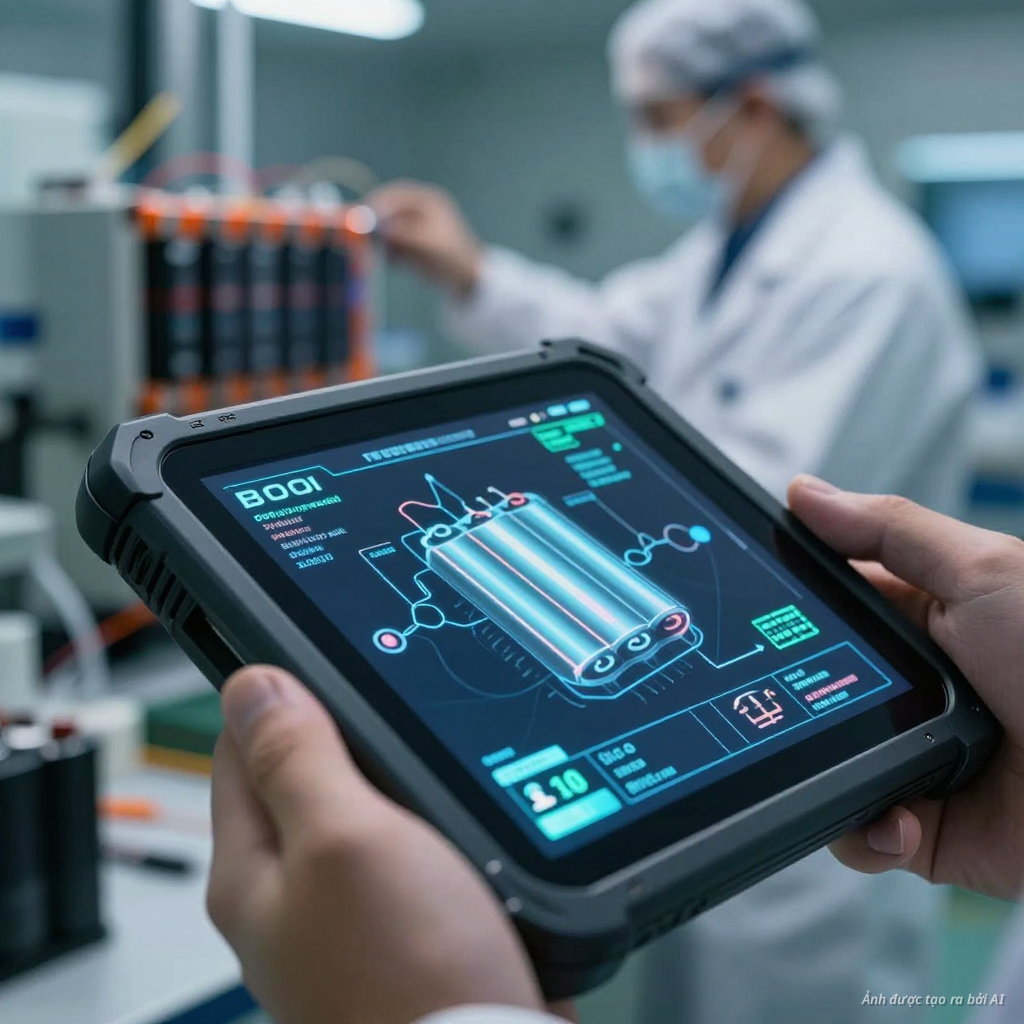
The necessity of global harmonization
Currently, the recycling landscape is fragmented. Different regions follow varying engineering codes, which complicates cross-border logistics and material recovery. Global standardization aims to bridge these gaps by creating consistent protocols for collection, discharge, and dismantling [2].
Without these standards, the economic viability of recycling remains at risk. Manufacturers struggle to design for circularity when requirements change across borders. By adopting global battery alliance guidelines, stakeholders can ensure that every battery module is processed safely and efficiently.
Key technical recycling methods
Recycling technologies are evolving rapidly to meet increasing purity requirements. The industry primarily relies on three distinct methods, each requiring specific standardization to ensure safety and yield.
- Pyrometallurgy: This thermal treatment process recovers cobalt, nickel, and copper. Standardization focuses on controlling hazardous emissions and managing slag output [5].
- Hydrometallurgy: This chemical leaching process produces high-purity battery-grade salts. Industry leaders are now standardizing purity thresholds to ensure that recycled materials meet the quality demands of new cell manufacturing.
- Direct recycling: This emerging method focuses on physical separation and cathode re-conditioning. It avoids breaking down the crystal structure, offering a more energy-efficient path for future battery production [4].
Regulatory frameworks and compliance
The European Union has taken a leading role in defining these standards through Regulation 2023/1542. This framework sets binding targets for the recovery of lithium, cobalt, and nickel [1]. Manufacturers must now account for recycled content percentages in all new batteries placed on the market.
The efficient and safe lithium-ion battery recycling technologies are further supported by international bodies. Organizations like the International Organization for Standardization (ISO) provide the technical language necessary for global trade. These standards ensure that “black mass”—the crushed residue from battery shredding—is handled with consistent safety and quality metrics [2].
The role of digital battery passports
Traceability is a cornerstone of modern recycling. The digital battery passport serves as a standardized, auditable record for every battery unit. It tracks the chemical composition, carbon footprint, and usage history from production to disposal [1].
This digital tool simplifies the sorting process at recycling facilities. By scanning a passport, recyclers can immediately determine the state-of-health (SOH) of a battery. This allows for an informed decision between second-life applications or immediate material recovery [5].
Standardizing design for recycling
Effective recycling begins at the design stage. Currently, battery packs vary significantly in their cell form factors and structural adhesives. This diversity makes automated disassembly difficult and costly. Global standards are now pushing for “design for recycling” (DfR) protocols.
These protocols encourage manufacturers to use standardized fasteners and modular architectures. By simplifying the disassembly process, the industry can reduce labor costs and increase the speed of material recovery. This collaborative approach between designers and recyclers is essential for scaling the industry [4].
Future outlook for the industry
The path toward a fully standardized global recycling system is complex but vital. As recovery targets become more ambitious, the industry must invest in scalable hydrometallurgical and direct recycling plants. These facilities will rely heavily on the consistent quality of black mass and standardized testing protocols [3].
Collaboration remains the most important factor in this transition. By aligning on technical definitions and environmental metrics, the global automotive industry can secure its supply chain. This commitment to standardization will ultimately drive down costs and reduce the environmental impact of electric vehicle production.
More Information
- EU Regulation 2023/1542: A comprehensive legislative framework that mandates specific recovery targets for critical battery materials and introduces the requirement for digital battery passports to ensure supply chain transparency.
- ISO/TC 333: A technical committee under the International Organization for Standardization dedicated to establishing global standards for lithium mining, extraction, testing, and recycling processes.
- Global EV Outlook 2024: An authoritative report by the International Energy Agency that provides data-driven analysis on the growth of electric vehicles and the resulting requirements for battery recycling infrastructure.
- ReCell Center: A U.S. Department of Energy initiative that focuses on developing and standardizing advanced battery recycling technologies to improve the economic and environmental performance of the recycling sector.
- Global Battery Alliance: A multi-stakeholder organization that works to establish global standards for battery sustainability, including the development of the digital battery passport and circular economy practices.