
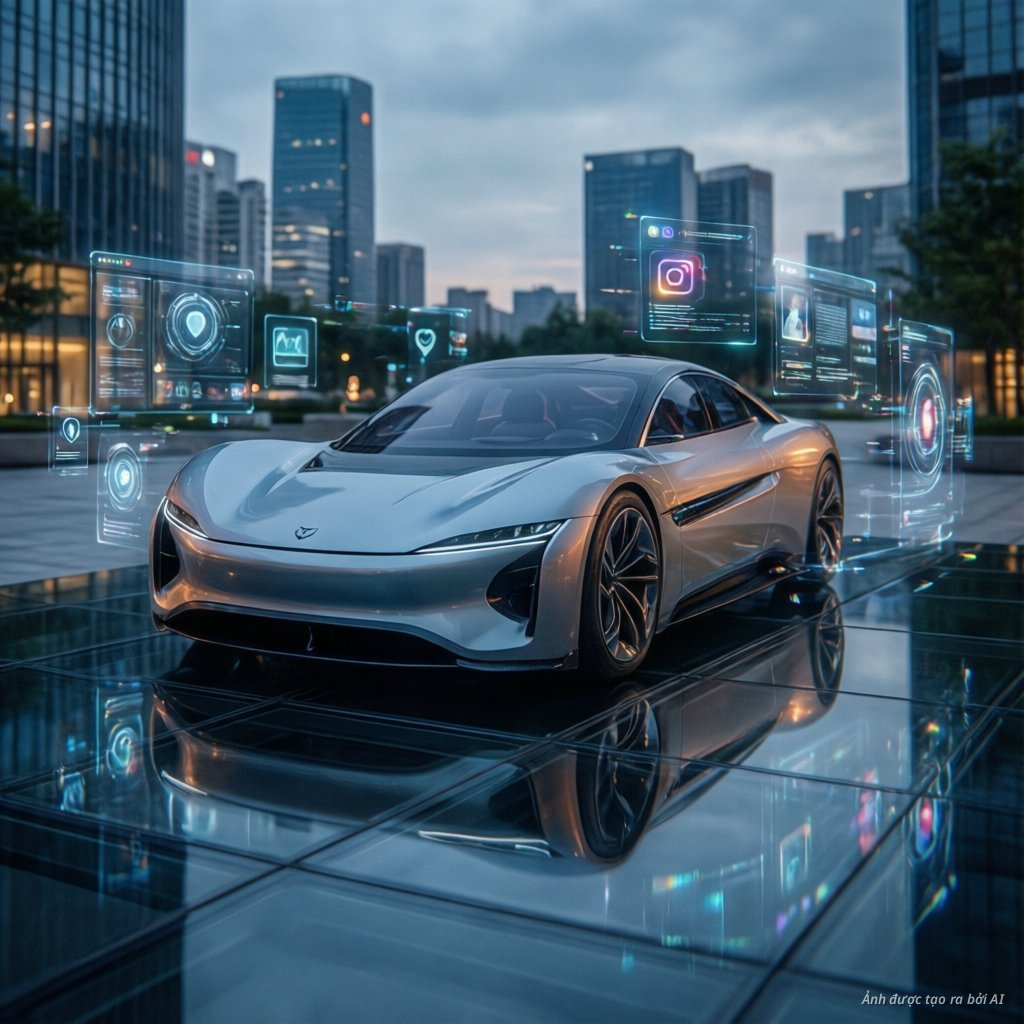
The modern automotive industry has shifted from a dealer-centric model to a digital-first landscape. Today, the journey of purchasing a vehicle begins long before a customer steps onto a showroom floor. Social media platforms now serve as the primary catalyst for discovery, research, and final validation for millions of buyers worldwide.
For social media professionals, understanding this transition is critical. Data shows that vehicle buyers now spend between 60% and 70% of their total purchase journey in online environments [2]. This digital behavior dictates how manufacturers and dealers must position their brands to capture attention effectively.
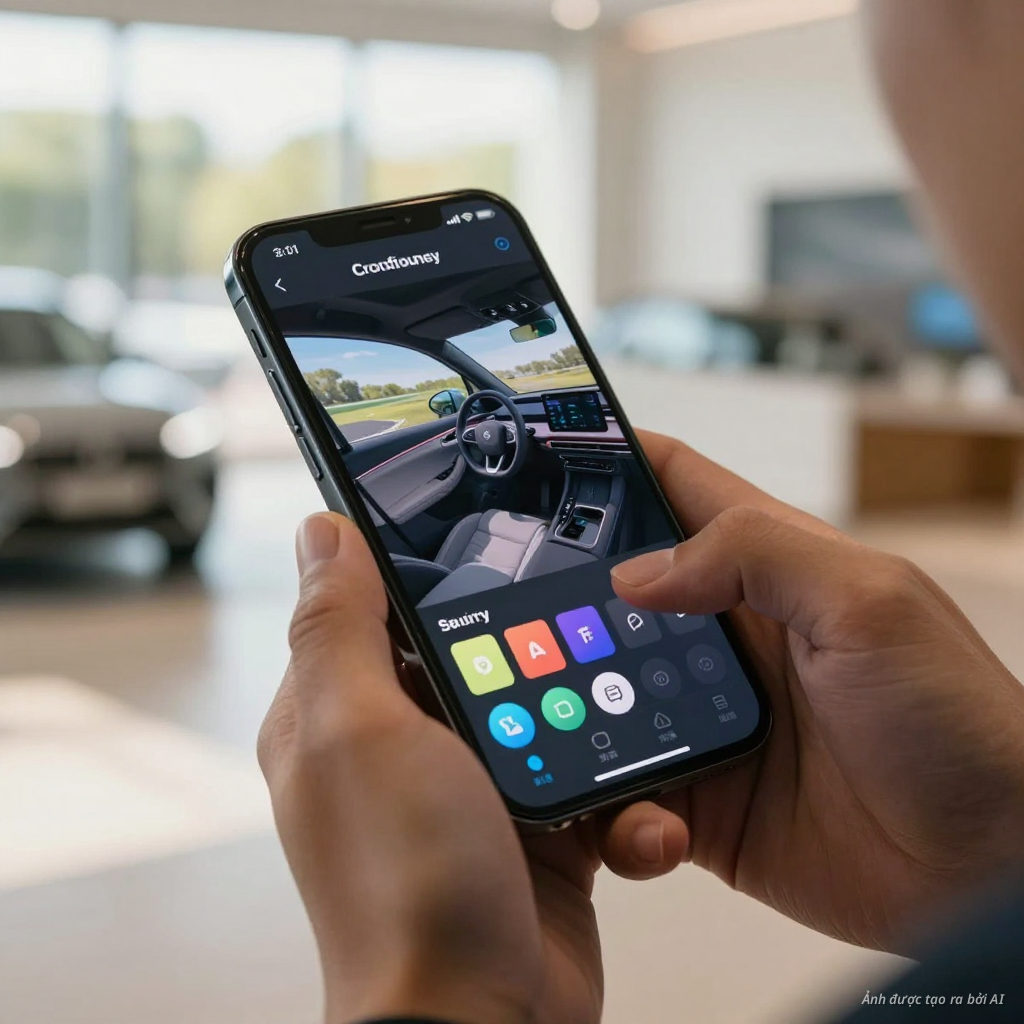
The evolution of the digital buyer journey
The traditional funnel has been replaced by a complex, non-linear digital path. Consumers no longer rely solely on television ads or local newspaper listings. Instead, they turn to social networks to explore vehicle aesthetics, interior technology, and performance metrics.
Platforms like Instagram, TikTok, and YouTube have become virtual showrooms. According to insights from Sprout Social, these channels allow brands to showcase ambient lighting, infotainment systems, and design language through high-impact video content [3]. This visual-first approach is essential for capturing the interest of modern, tech-savvy audiences.
Demographic influence and digital trust
Generational shifts are driving this transformation. Research from the Deloitte Global Automotive Consumer Study highlights that Gen Z and Millennials are significantly more likely to rely on social recommendations than older generations [1]. These cohorts treat social proof as a primary indicator of product reliability.
Trust in official manufacturer advertising is declining. Instead, buyers prioritize user-generated content (UGC) and peer reviews. When a potential customer watches a long-term drive review or reads a discussion on a community forum, they perceive that information as more authentic than corporate messaging [3]. For brands, fostering a community of advocates is now as important as traditional advertising.
The role of social media in electric vehicle adoption
Electric vehicles (EVs) present unique challenges and opportunities in the digital space. Prospective buyers often experience range anxiety and uncertainty regarding charging infrastructure. Social media acts as an educational hub to address these concerns [1].
Buyers frequently visit social communities to evaluate real-world battery performance and software responsiveness. They want to see how a vehicle handles winter conditions or how its software updates function over time. Providing transparent, community-led information helps demystify the EV ownership experience and builds long-term brand loyalty.
Leveraging social commerce and dealer reputation
The final stages of the buying process are increasingly integrated into social platforms. Features such as direct messaging, inventory integration, and online test-drive booking have streamlined the transition from browsing to purchasing. Modern consumers expect a seamless future of automotive retail: virtual reality and augmented reality shopping experience within their favorite apps.
Furthermore, dealer reputation management has moved to the forefront. Online ratings and social media response times are critical factors for consumers. A dealership’s ability to engage professionally on social channels often determines whether a buyer chooses to visit their location or a competitor’s showroom [2].
Strategic implications for social media professionals
To succeed in this environment, social media teams must move beyond simple brand awareness. They must focus on creating content that facilitates the decision-making process. This includes:
- Developing interactive 3D configurators and AR filters.
- Encouraging and highlighting user-generated content to build trust.
- Providing educational content regarding software capabilities and OTA updates.
- Monitoring and responding to community sentiment to manage brand equity.
As vehicles become increasingly defined by their software, the role of social media will only grow. Professionals who can bridge the gap between technical specifications and lifestyle appeal will capture the greatest market share. For those looking to deepen their expertise, understanding understanding over-the-air software updates for modern vehicles is a vital step in crafting relevant, high-value content.
Conclusion
Social media has fundamentally altered the global automotive purchasing landscape. By providing a platform for peer validation, real-world testing, and direct dealer interaction, it has empowered consumers like never before. Manufacturers and dealers that embrace this digital shift—prioritizing transparency, community engagement, and visual storytelling—will lead the industry into the future.
More Information
- Deloitte Global Automotive Consumer Study [1]: A comprehensive research report analyzing global trends in consumer behavior, vehicle technology, and the shifting preferences of younger demographics in the automotive market.
- Cox Automotive Car Buyer Journey Study [2]: A detailed analysis of the modern vehicle purchase process, highlighting the dominance of online research and the critical role of digital touchpoints before dealership visits.
- Sprout Social Automotive Insights [3]: Strategic guidance on how automotive brands can utilize social media platforms to enhance engagement, build trust through UGC, and improve digital marketing performance.
- User-Generated Content (UGC) [4]: Authentic, non-sponsored content created by vehicle owners or enthusiasts, such as review videos or forum discussions, which heavily influences the purchasing decisions of prospective buyers.
- Digital Automotive Funnel [5]: The non-linear path a consumer takes from initial awareness to final purchase, now heavily reliant on social media, search engines, and third-party digital review channels.