

The automotive industry is undergoing a massive digital transformation. Modern vehicles are no longer just mechanical machines. They function as sophisticated computers on wheels, requiring constant digital maintenance [1].
Over-the-air (OTA) technology stands at the heart of this evolution. It allows manufacturers to send software improvements directly to your car wirelessly. You no longer need to visit a service center for every minor system tweak [2].
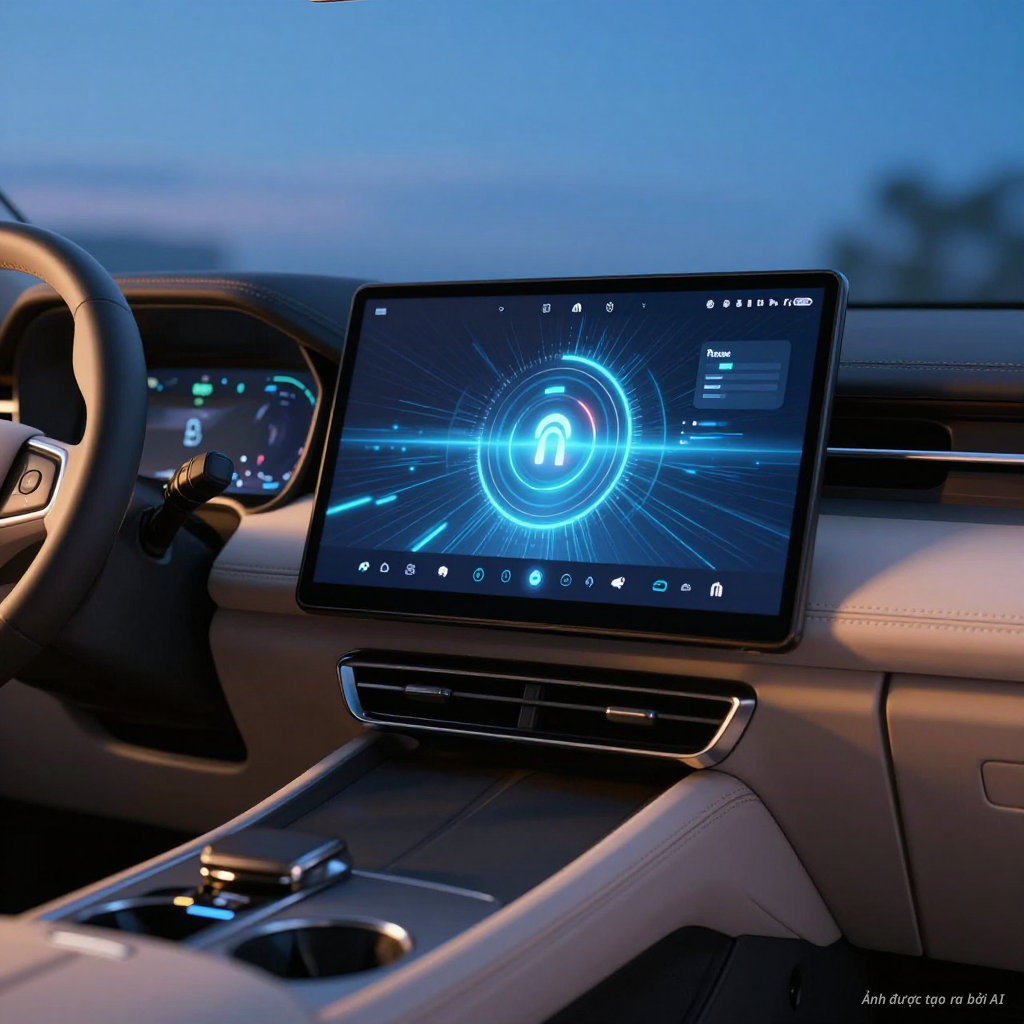
What is an OTA update?
OTA stands for “over-the-air.” It refers to the wireless delivery of new software, firmware, or configuration data to a device. In the context of automotive technology, it enables remote updates for various vehicle systems [3].
These updates can range from minor infotainment bug fixes to significant performance enhancements. Some updates even improve battery management systems or autonomous driving features. This capability ensures your vehicle remains current long after it leaves the factory floor.
The benefits of wireless updates
The primary advantage of OTA updates is convenience. Owners save valuable time by avoiding unnecessary trips to the dealership for software-related issues. This creates a more efficient ownership experience [4].
Furthermore, manufacturers can address safety concerns rapidly. If a software glitch is discovered, a patch can be deployed globally in hours. This proactive approach significantly enhances overall road safety for all drivers.
How OTA technology works
Your vehicle acts as a connected device, similar to a smartphone. It uses cellular connectivity or Wi-Fi to communicate with the manufacturer’s secure servers. The car periodically checks for available updates in the background [5].
Once an update is downloaded, the vehicle prompts you to initiate the installation process. Most systems require the car to be parked and powered down during this phase. This ensures the integrity of the installation process.
Security and safety considerations
Security remains a top priority for automotive engineers. Manufacturers implement robust encryption protocols to protect your vehicle from unauthorized access. These measures ensure that only verified updates are installed on your car’s systems.
Always ensure your vehicle has a stable internet connection during the update process. Interrupting a critical update can potentially lead to system errors. Most modern systems include fail-safes to prevent bricking the vehicle’s computer.
Future trends in automotive software
The future of driving is increasingly defined by software. As vehicles become more autonomous, the frequency of OTA updates will likely increase. This will allow cars to gain new capabilities over time, effectively future-proofing your investment.
You can learn more about how AI virtual assistants are revolutionizing automotive interaction by exploring our latest insights. Such advancements rely heavily on the continuous cycle of software improvements provided by OTA technology.
Additionally, as we look toward the horizon, autonomous vehicles and the future of transportation in Vietnam: challenges and opportunities will depend on reliable wireless infrastructure. OTA updates will be the backbone of these complex, self-driving systems.
Best practices for vehicle owners
To maximize the benefits of OTA technology, follow these simple guidelines:
- Keep your vehicle connected to a reliable Wi-Fi network when possible.
- Always review the release notes to understand what features are changing.
- Ensure your battery level is sufficient before starting a major update.
- Schedule updates during overnight hours to minimize disruption to your daily routine.
By following these steps, you ensure a smooth experience. You also help your vehicle maintain peak performance throughout its lifespan.
Conclusion
OTA updates represent a fundamental shift in how we interact with our vehicles. They provide unprecedented flexibility and convenience for owners. Embracing this technology allows you to enjoy a car that truly gets better with age.
More Information
- Firmware: A specific class of computer software that provides low-level control for a device’s specific hardware, ensuring the vehicle’s mechanical components respond correctly to digital commands.
- Infotainment system: The collection of hardware and software in a vehicle that provides audio or video entertainment, navigation, and connectivity features, often managed via a central touchscreen.
- Encryption: The process of converting information or data into a code to prevent unauthorized access, which is critical for protecting vehicle systems during wireless data transmissions.
- Connectivity: The ability of a vehicle to link to the internet or other networks, enabling features like real-time traffic updates, remote diagnostics, and over-the-air software deployments.
- Battery management system: An electronic system that manages a rechargeable battery pack, ensuring it operates within safe limits and optimizing its performance through software-driven adjustments.