
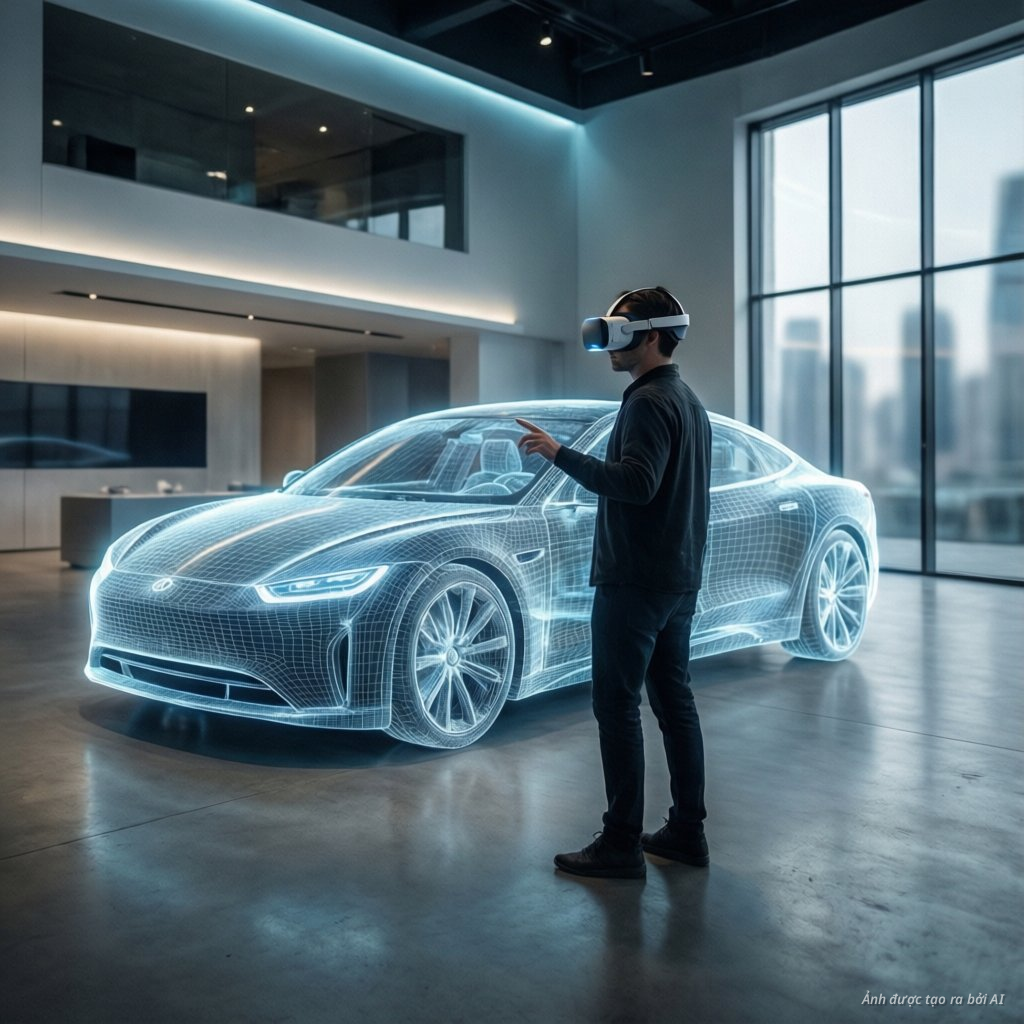
The automotive industry is undergoing a significant digital transformation. Modern car buyers now demand seamless, immersive, and highly personalized experiences before they ever step foot in a physical dealership. Virtual Reality (VR) and Augmented Reality (AR) are at the forefront of this shift, bridging the gap between digital discovery and physical ownership.
By leveraging spatial computing and real-time visualization, brands can now showcase their entire inventory in a virtual space. This technology allows customers to configure, inspect, and even test-drive vehicles from the comfort of their homes. As noted in industry research on automotive retail 3.0, the integration of these tools is essential for modernizing the customer journey [4].
Redefining the customer journey with immersive technology
The traditional car buying process often involves limited physical inventory. VR and AR solve this by providing an unlimited digital showroom. Customers can explore various trims, colors, and interior materials without the constraints of space. This creates a highly engaging environment that increases brand loyalty.
Leading manufacturers have already begun implementing these solutions to great effect. For instance, Audi has successfully introduced virtual reality suites across its global dealership network [1]. These tools allow sales representatives to guide customers through every micro-detail of a vehicle’s design in a fully immersive 3D space [3].
The role of augmented reality in home exploration
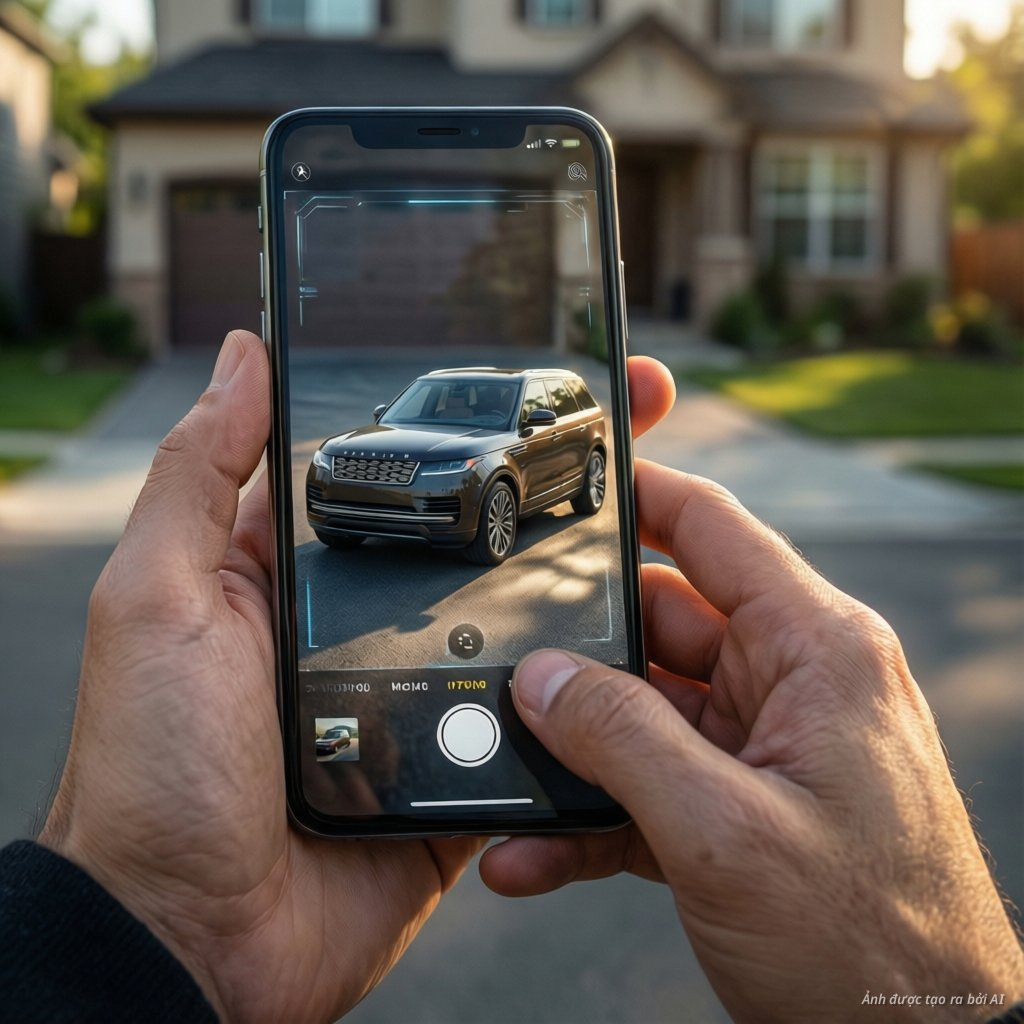
Augmented Reality (AR) brings the showroom directly to the customer’s driveway. By using a smartphone or tablet, buyers can project a photorealistic 1:1 scale model of a vehicle into their own physical space. This helps them visualize how a car fits in their garage or looks parked on their street.
Brands like BMW have embraced this technology to enhance the shopping experience. Their virtual viewer tool allows users to interact with plug-in hybrid models from home [2]. Such innovations are crucial as the automotive market shifts toward more digital-first interactions.
Benefits for automotive dealerships
Dealerships benefit significantly from adopting VR and AR technologies. These tools reduce the need for massive physical inventory lots, lowering overhead costs while maintaining a premium brand image. Furthermore, they provide valuable data on customer preferences, such as which configurations are most frequently viewed.
The global automotive VR market continues to grow at an impressive rate [5]. By implementing these solutions, dealers can offer a more pressure-free environment. This approach allows customers to explore options at their own pace, which often leads to higher conversion rates.
Key technical components of virtual retail
Successful virtual retail relies on several core technologies. These include high-fidelity 3D rendering and cloud pixel streaming. These technologies ensure that the digital model looks identical to the physical product, down to the paint reflections and interior stitching.
- CAD-to-DCC pipelines: Converting complex engineering data into optimized 3D assets for real-time rendering.
- WebXR standards: Enabling immersive experiences directly in web browsers without the need for additional software downloads.
- Digital twins: Providing a precise digital replica of a specific vehicle, allowing for transparency in used-car shopping.
Simulated test drives and safety features
Beyond visual inspection, VR allows for simulated test drives. These experiences can highlight Advanced Driver Assistance Systems (ADAS) in scenarios that are difficult to replicate on a standard test drive. For example, buyers can experience lane-keep assist or autonomous braking in simulated emergency conditions safely.
This level of interaction builds confidence in new technologies, especially for electric vehicles. As consumers become more comfortable with these digital simulations, the path to purchase becomes shorter and more efficient. It is a win-win for both the manufacturer and the end-user.
The future of automotive retail
The integration of VR and AR into the automotive sector is not merely a trend; it is a fundamental shift in how consumers interact with brands. As technology advances, these experiences will become even more photorealistic and accessible. Dealers who adopt these tools today will be better positioned to meet the expectations of future buyers.
The focus on user-centric design will continue to evolve, making the digital showroom as important as the physical one. By embracing these digital tools, the automotive industry can create a more sustainable, efficient, and enjoyable shopping experience for everyone involved.
More Information
- Virtual Reality (VR): A fully immersive digital environment that allows users to step inside vehicle cabins and inspect materials using specialized headsets, providing a realistic sense of scale and presence.
- Augmented Reality (AR): A technology that overlays photorealistic 3D vehicle models onto the user’s real-world environment via smartphone cameras, helping buyers evaluate dimensions and fit within their own space.
- Cloud Pixel Streaming: A method of executing heavy 3D rendering on powerful remote servers and streaming the high-quality visual data to a user’s device, ensuring photorealism on any hardware.
- Digital Twin: A precise virtual replica of a specific physical vehicle, including its unique configuration and condition, used to provide transparency and accuracy in the digital retail journey.
- WebXR: An open web standard that enables developers to build immersive AR and VR experiences that run directly in web browsers, removing the barrier of installing native applications.