
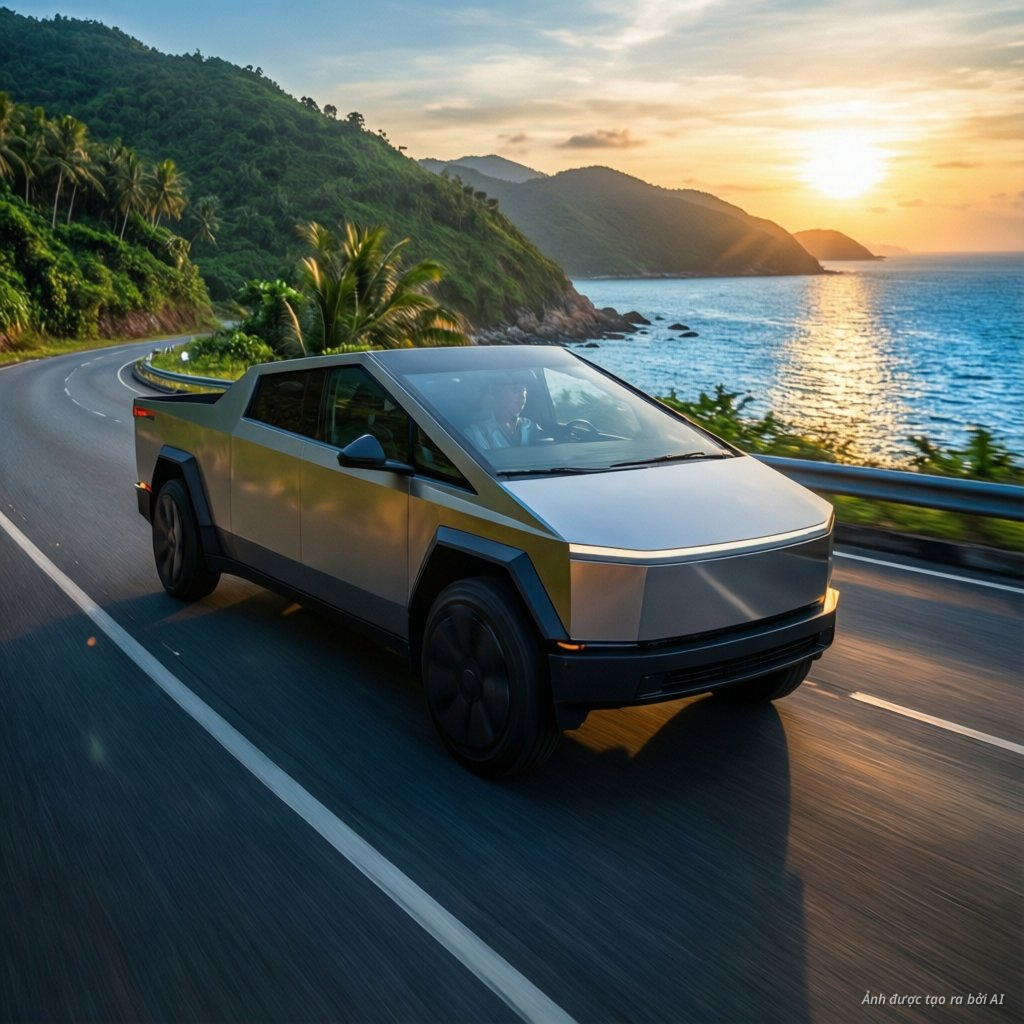
The global automotive landscape is shifting rapidly toward electrification. For transport business owners in Vietnam, this transition presents a unique set of opportunities and challenges. While the traditional pickup truck segment remains dominated by internal combustion engines, the emergence of electric pickup trucks is beginning to reshape industry expectations [3].
Pickup trucks have long served as the backbone of logistics and personal transport in Vietnam. They offer the versatility required for both urban commuting and heavy-duty cargo hauling. As businesses look to optimize operational costs, the electric pickup truck is emerging as a compelling alternative to diesel-powered models.
Understanding the current pickup landscape
Vietnam’s pickup market is currently defined by reliability and power. Models like the Ford Ranger have historically commanded significant market share due to their proven performance on diverse terrains. However, the IEA global EV outlook highlights that fleet decarbonization is becoming a global priority. This trend is slowly influencing local purchasing decisions.
Business owners are increasingly evaluating the total cost of ownership. Electric vehicles (EVs) offer lower maintenance requirements and significantly reduced fuel expenses compared to traditional diesel engines. These factors are critical for companies managing large fleets where profit margins are sensitive to fuel price fluctuations [3].
The role of government policy
Government incentives play a pivotal role in the adoption of new technologies. Vietnam has already taken proactive steps to encourage the transition to electric mobility. Specifically, Decree 10/2022/ND-CP provided a 0% registration fee for battery electric vehicles for an initial period. This policy has lowered the barrier to entry for early adopters and commercial fleet operators.
Furthermore, the development of charging infrastructure is accelerating. VinFast and its charging partner, V-GREEN, have established a robust network across major highways and urban centers. This infrastructure is essential for the viability of electric pickups, which are often used for long-distance transport between provinces.
VinFast and the future of utility vehicles
The introduction of the VinFast VF Wild concept signals a major shift in local manufacturing capabilities. Unveiled at CES 2024, this mid-size electric pickup truck addresses the specific needs of the market [1]. Its design includes a power-folding mid-gate that extends the bed length, providing the flexibility needed for transporting oversized cargo [2].
By collaborating with international design studios, VinFast is aiming to compete directly with global standards. The VF Wild represents a bridge between traditional utility and modern technology. It proves that electric vehicles can match, and potentially exceed, the performance of conventional trucks in terms of torque and cargo management.
Key advantages for transport businesses
For those in the transport industry, the primary benefits of electric pickups go beyond environmental impact. The instant torque provided by electric motors is a significant advantage for towing and navigating steep, mountainous terrain. This performance allows for smoother acceleration and better control under heavy loads.
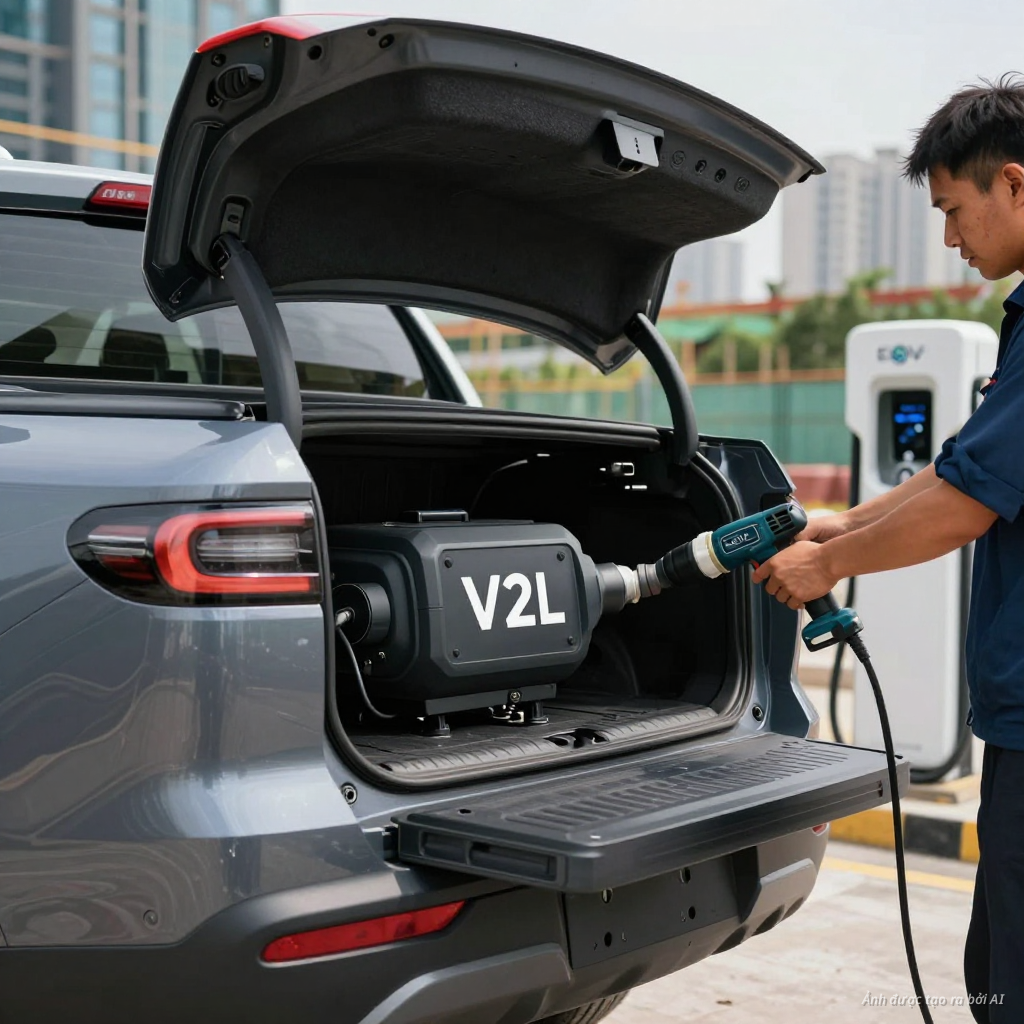
Another critical feature is the V2L (Vehicle-to-Load) capability found in many modern electric trucks. This technology allows the vehicle to act as a mobile power source at job sites. For contractors or logistics providers, this eliminates the need for external generators, further streamlining operations and reducing equipment costs.
Navigating the challenges
Despite the potential, challenges remain for widespread adoption. Infrastructure in remote or mountainous regions of Vietnam is still under development. For transport businesses operating in these areas, range anxiety remains a valid concern. Battery performance can also degrade under heavy hauling conditions, necessitating efficient thermal management systems.
Price sensitivity is another hurdle. The initial investment for an electric pickup is currently higher than that of a traditional diesel truck due to battery production costs. However, as affordable electric vehicles enter the market, this gap is expected to narrow. Business owners must weigh the higher upfront cost against the long-term savings in fuel and maintenance.
Strategic considerations for fleet managers
Fleet managers should begin by piloting electric vehicles in urban routes where charging access is reliable. This approach allows companies to gather data on real-world performance and ROI. It also helps in training drivers on the nuances of regenerative braking and efficient energy management.
Additionally, understanding the pickup trucks and SUVs: the choice for Vietnamese families in 2026 can provide insights into broader market trends. As consumer preferences shift, the resale value of electric trucks may become more predictable. This stability is vital for businesses looking to manage their asset depreciation effectively.
The path forward
The potential for electric pickup trucks in Vietnam is substantial. With government support, expanding infrastructure, and innovative models like the VF Wild, the market is poised for growth. Transport business owners who prepare for this transition early will likely gain a competitive edge.
Success will depend on a balanced approach that considers both the benefits and the current limitations of the technology. By leveraging existing incentives and choosing the right use cases, businesses can transition to a more sustainable and cost-effective future. The era of the electric pickup truck is not just coming; it is already beginning to take shape on Vietnam’s roads.
More Information
- VinFast VF Wild: A mid-size electric pickup truck concept featuring a power-folding mid-gate that extends the cargo bed, designed to meet the diverse needs of modern transport and utility users [1].
- Mid-gate mechanism: A versatile design feature in pickup trucks that allows the rear cabin wall to fold down, effectively increasing the length of the cargo bed for larger items [2].
- Fleet decarbonization: The strategic process of transitioning commercial vehicle fleets from fossil fuel-powered engines to electric or low-emission alternatives to reduce carbon footprints and operational costs [3].
- V2L (Vehicle-to-Load): A technology that allows an electric vehicle’s battery to power external electrical devices, effectively turning the vehicle into a mobile power station for work or recreation [4].
- Instant torque: A characteristic of electric motors that provides maximum power delivery immediately upon acceleration, offering superior performance for towing and navigating difficult terrain [5].