
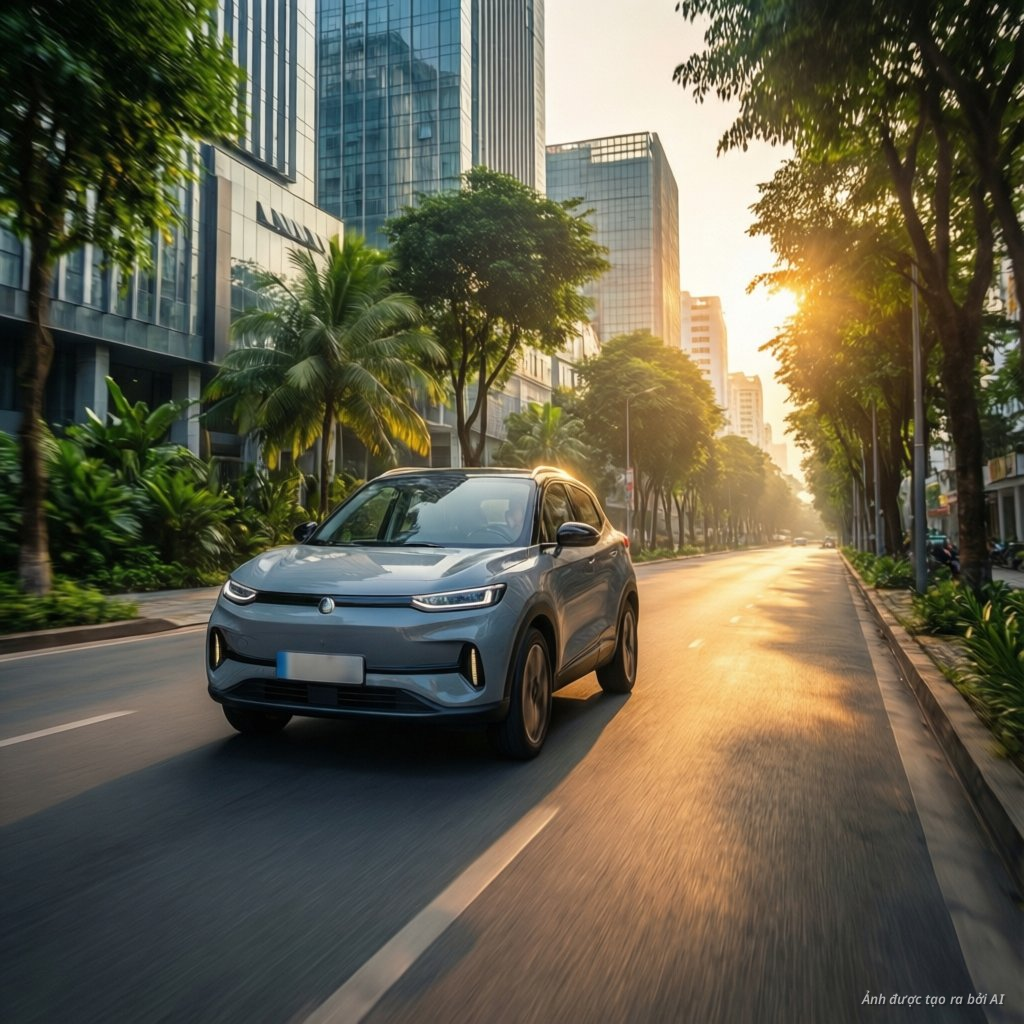
The global automotive landscape is undergoing a massive transformation. Electric vehicles (EVs) are no longer reserved for the wealthy elite. Instead, they are becoming accessible to the average consumer. This shift is particularly evident in emerging markets like Vietnam, where budget-conscious buyers are seeking modern, efficient transportation solutions.[5]
For many, the dream of owning a car is moving closer to reality. Manufacturers are now prioritizing compact, affordable models that fit both the budget and the urban lifestyle. This trend is not just a global phenomenon; it is a localized revolution changing how millions of people commute every day.[3]
The rise of micro-EVs in Vietnam
Vietnam is uniquely positioned to lead this change. With a massive population of motorcycle riders, the market is ripe for an entry-level car upgrade. Small, affordable electric cars provide a safer, weather-protected alternative to the traditional motorbike.[4]
Recent market entries have proven the demand is real. For instance, VinFast opened pre-orders for its VF 3 model, which starts at an incredibly accessible price point. The response was overwhelming, with tens of thousands of orders placed in just a few days.[1]
Why affordability is the key to mass adoption
Price remains the single biggest barrier to EV ownership. By utilizing cost-effective battery technologies like Lithium Iron Phosphate (LFP), manufacturers have slashed production costs. These batteries are not only cheaper but also offer improved safety and longevity for daily driving.[3]
Furthermore, innovative business models are helping consumers. Battery subscription or leasing programs allow buyers to purchase the vehicle at a lower upfront cost. This strategy effectively removes the financial hurdle for middle-income families who want to switch to electric.[4]
Government support and market incentives
Public policy plays a crucial role in making EVs attractive. In Vietnam, the government has implemented favorable tax policies to encourage adoption. These include a 100% exemption on initial registration fees for battery electric vehicles.[4]
Additionally, the special consumption tax for electric vehicles is significantly lower than that for traditional gas-powered cars. These incentives ensure that the total cost of ownership remains competitive. It makes the transition to green energy a smart financial decision for the average household.[4]
International competition and local growth
The Vietnamese market is attracting global attention. Major players are entering the space to compete for the growing customer base. BYD recently launched several models in the country, signaling a competitive future.[2]
For those interested in how these vehicles compare to traditional options, understanding the key differences in electric vehicle maintenance versus gas cars is essential. Electric cars generally require less frequent servicing, which further reduces long-term costs for the owner. This is a significant advantage for families on a strict budget.
Overcoming infrastructure challenges
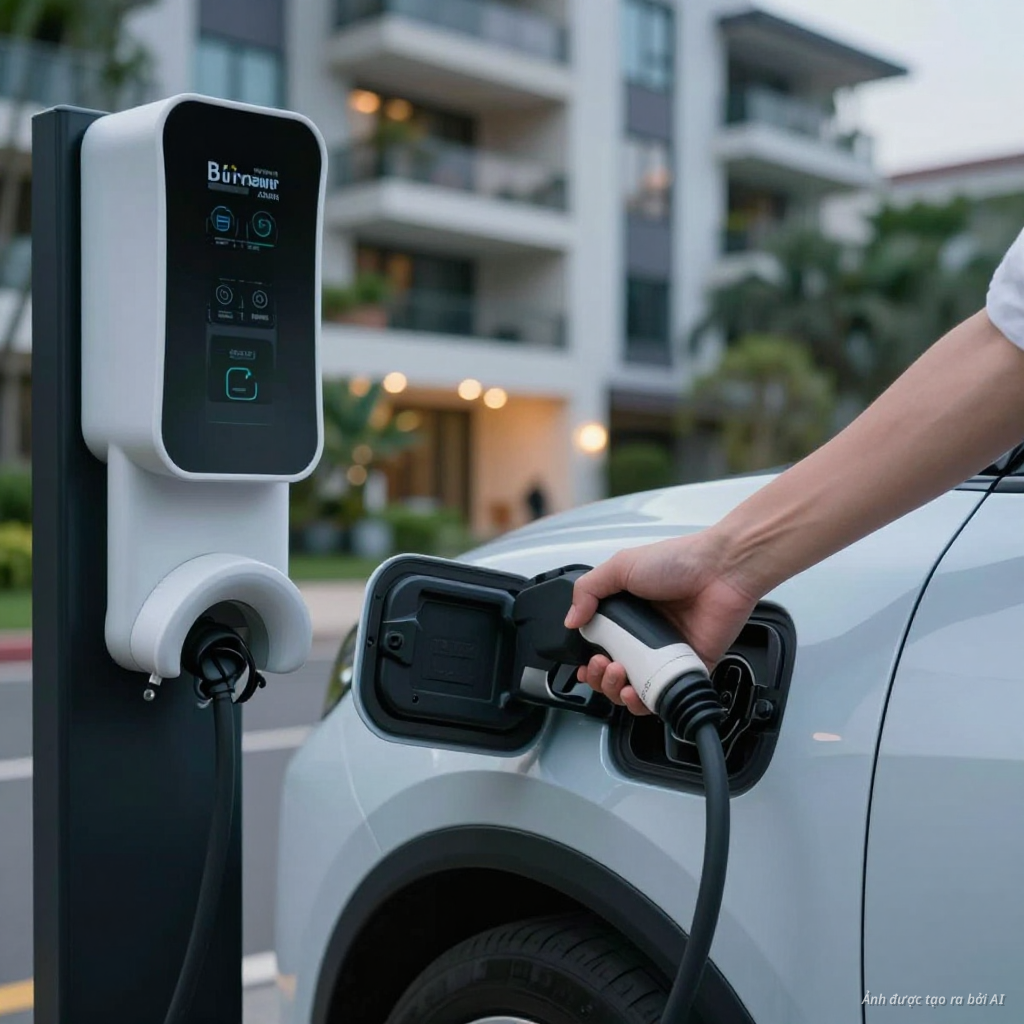
While the vehicles are becoming cheaper, charging infrastructure remains a focus area. VinFast has taken the lead by building a massive network of charging ports across the country. However, as more brands enter the market, universal charging access will become vital.[4]
Urban planning must also adapt to this growth. Local grids need upgrades to handle the increased demand from home and public charging stations. Smart charging strategies will likely be the solution to ensure stability for residential areas.[5]
Building consumer trust
Trust is built through long-term support. Manufacturers are offering extended warranties on batteries to ease concerns about degradation. These warranties often span 7 to 10 years, providing peace of mind to new buyers.[1]
As more people see these vehicles on the road, the stigma against “budget” cars will fade. The focus is shifting toward practical, reliable, and sustainable mobility. For the modern Vietnamese consumer, the future of driving is quiet, clean, and increasingly affordable.[3]
The future of personal transport
The transition is just beginning. As production scales up and technology advances, prices will likely continue to drop. This democratization of mobility will change the face of cities. It will lead to cleaner air and reduced noise pollution in dense urban centers.[5]
If you are considering your next vehicle, look for models that offer the best balance of range and price. Pickup trucks and SUVs: the choice for Vietnamese families in 2026 might also be worth exploring as manufacturers expand their budget-friendly lineups. The options are growing, and the opportunity to own a modern vehicle has never been better.
More Information
- VinFast VF 3: An ultra-compact urban mini-SUV designed for the Vietnamese market, featuring a highly competitive price point and aimed at transitioning motorcycle users to four-wheeled electric mobility.
- BYD: A major Chinese automotive manufacturer that has expanded its global footprint by launching several electric vehicle models in Vietnam to capture the growing demand for affordable, high-tech transport.
- LFP batteries: Lithium Iron Phosphate batteries, which are favored in budget EVs for their lower manufacturing costs, enhanced fire safety, and longer cycle life compared to traditional battery chemistries.
- Registration fee exemption: A government policy in Vietnam that provides financial relief to EV buyers by waiving the initial registration tax, significantly lowering the total cost of acquiring a new electric vehicle.
- Global EV Outlook 2024: An authoritative annual report by the International Energy Agency that tracks the growth of electric vehicle sales and infrastructure development on a global scale.