
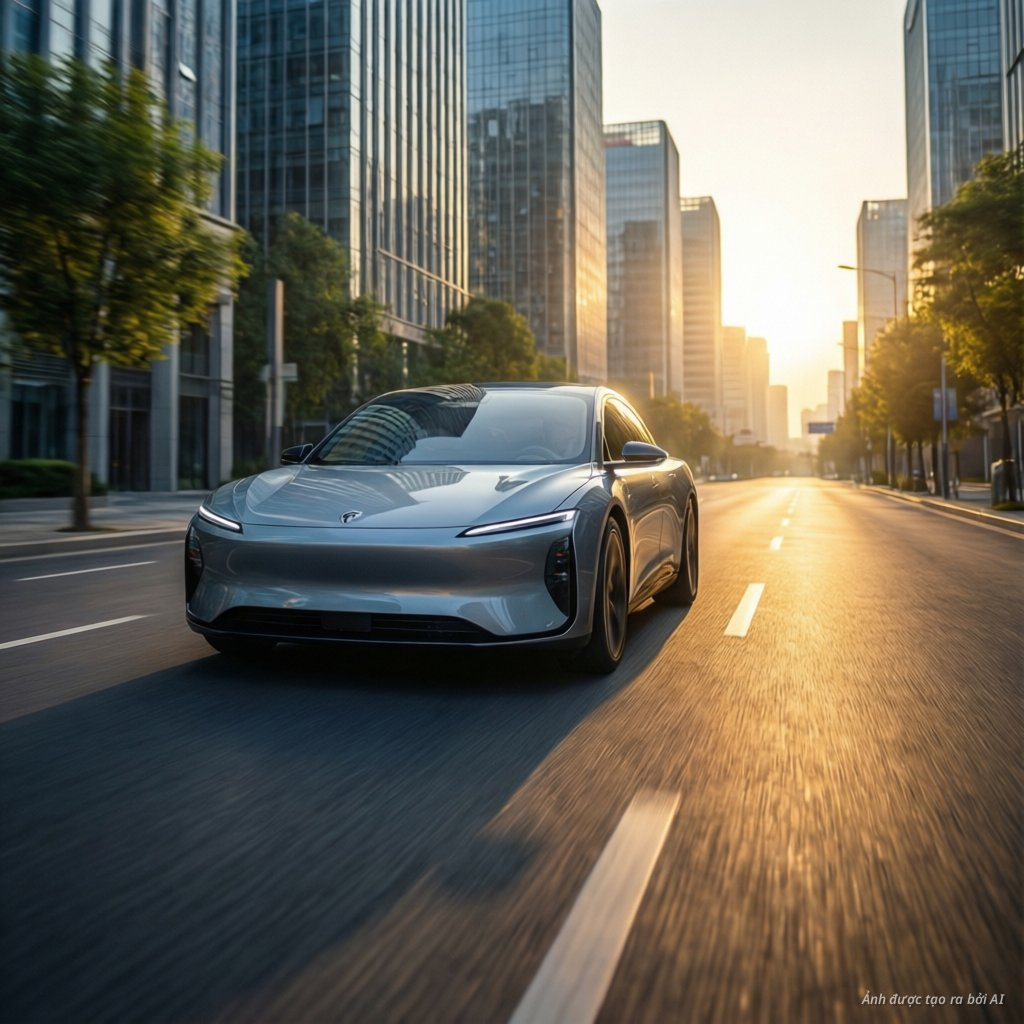
The global automotive industry underwent a seismic shift during the COVID-19 pandemic. Market researchers have observed that these changes were not merely temporary reactions to lockdowns. Instead, they represent a fundamental evolution in how consumers approach vehicle ownership and the retail experience [1].
For many, the pandemic transformed the private vehicle into a “sanitary bubble.” This perception significantly altered the demand for mobility solutions worldwide. As we analyze these trends, it becomes clear that the impact of the pandemic on global automotive purchasing behavior continues to influence current market strategies.
The shift toward private mobility
Before the pandemic, shared mobility and public transportation were on a steady growth trajectory. However, health concerns during the crisis led to a sharp decline in the use of buses, trains, and ride-hailing services [2]. Consumers prioritized personal space, which boosted the demand for private vehicle ownership.
Many individuals who previously relied on mass transit became first-time car buyers during this period. This trend was particularly prominent in urban centers where public transit was once the primary mode of travel. Market researchers now view this as a permanent shift in consumer preference for autonomy and hygiene [3].
The acceleration of digital retail
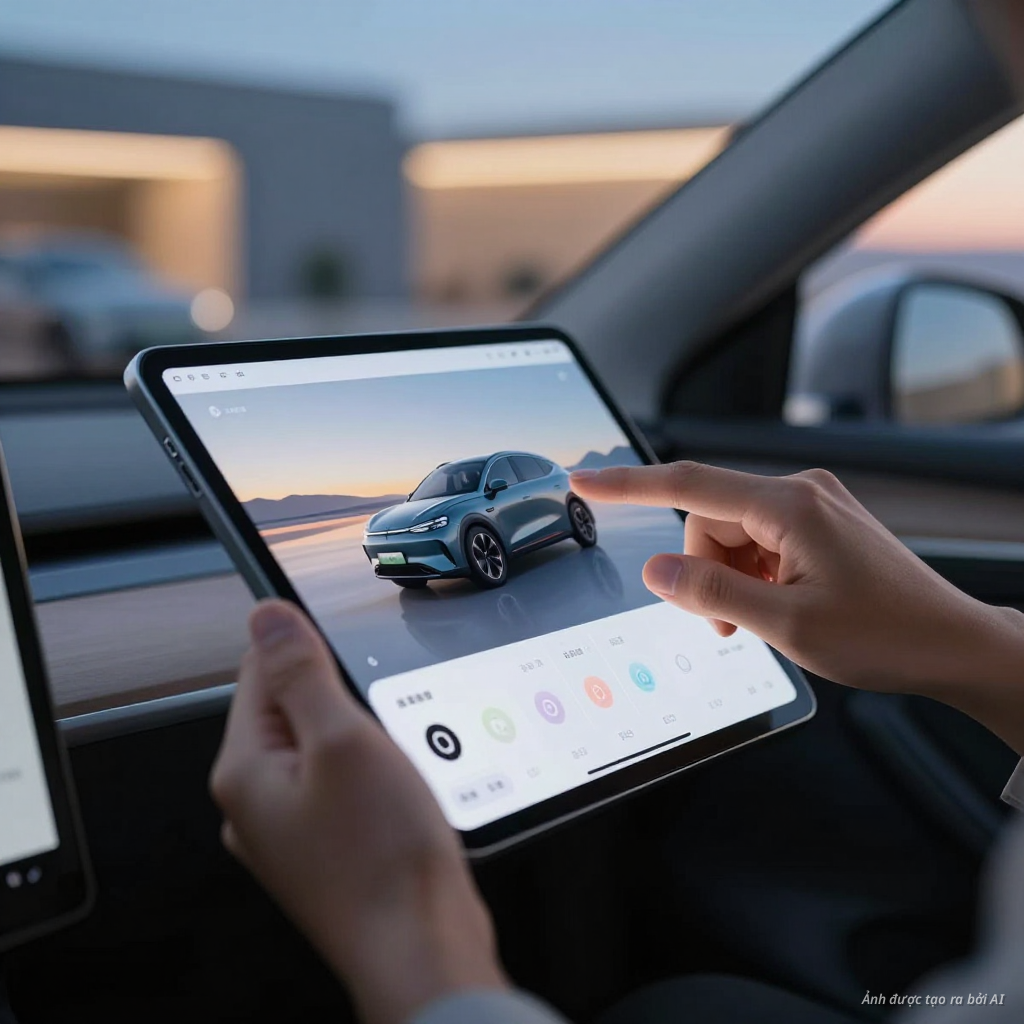
Dealership closures forced the industry to innovate at an unprecedented pace. Automakers and dealers rapidly implemented the future of automotive retail: virtual reality and augmented reality shopping to keep business moving. This transition moved the showroom into the living room of the consumer.
Today, the modern car-buying journey is inherently omnichannel. Consumers now expect to conduct research, configure their vehicles, and even apply for financing entirely online [3]. The physical dealership visit has evolved into a final step for test drives and vehicle handovers rather than a discovery phase.
Supply chain disruptions and brand loyalty
The semiconductor shortage following the pandemic created a unique set of challenges for the global market. With limited inventory, consumers were forced to adapt their purchasing habits. Many buyers became more flexible regarding their brand preferences and vehicle specifications [2].
This period also normalized the culture of pre-ordering vehicles. Instead of selecting a car from the lot, buyers increasingly accepted longer wait times to secure the specific model they desired. Furthermore, the high cost of new vehicles triggered a massive surge in the used-car market, fundamentally changing pricing dynamics globally [3].
The rise of electric vehicles
Sustainability became a central theme for many consumers during the pandemic. Government recovery incentives, particularly in Europe and China, further accelerated the adoption of electric vehicles (EVs) [4]. These digital-native buyers often prefer direct-to-consumer sales models.
The EV segment has set a new standard for transparency and digital integration. As manufacturers pivot toward electrification, they are also adopting these streamlined sales processes. This shift is essential for brands aiming to capture the interest of younger, tech-savvy demographics who prioritize efficiency and environmental impact [4].
Strategic implications for market researchers
Market researchers must now account for these hybrid behaviors when forecasting future demand. The traditional linear sales funnel is no longer sufficient to explain the complex, non-linear journey of today’s car buyer. Data-driven insights into digital touchpoints are more critical than ever [5].
Understanding the how social media shapes global car buying decisions is also vital for modern brands. As consumers lean into online reviews and digital configurations, the influence of digital marketing has reached new heights. Researchers should focus on tracking these interactions to better predict market fluctuations.
Conclusion
The pandemic acted as a catalyst for long-term changes in the automotive sector. From the preference for private mobility to the adoption of omnichannel retail, these shifts are here to stay. Brands that successfully integrate these digital and physical experiences will lead the market in the coming years [5].
More Information
- Omnichannel automotive retail: A sales strategy that integrates digital touchpoints, such as online configurators, with physical dealership experiences to provide a seamless buying journey for the consumer.
- Direct-to-consumer (D2C) sales model: A business model where automakers sell vehicles directly to customers, often via online platforms, bypassing the traditional dealership negotiation process to increase efficiency.
- Sanitary bubble: A term describing the consumer perception of a private vehicle as a safe, controlled, and hygienic personal space, which significantly increased demand during the pandemic.
- Digital touchpoints: Any online interaction a customer has with a brand, including virtual showrooms, digital trade-in calculators, and remote loan approval systems, which define the modern car-buying experience.
- Micro-mobility: Small, lightweight vehicles such as e-scooters or bicycles that were once expected to dominate urban transport but saw a decline in favor of private cars during the pandemic.