
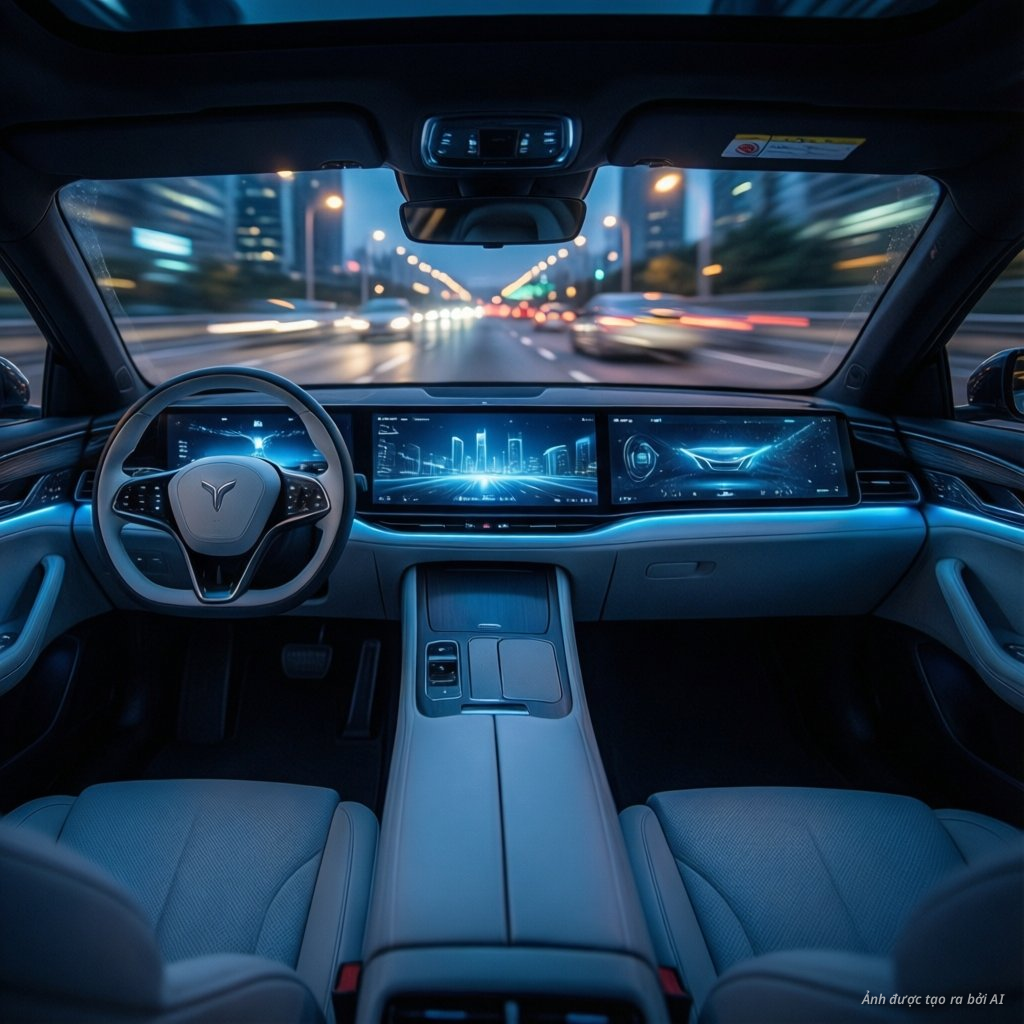
Modern vehicles are evolving into sophisticated digital hubs. Drivers now demand more than just transportation; they seek seamless integration between their digital lives and the road. Gesture control interfaces represent the next frontier in this evolution. These systems allow users to interact with their vehicles using simple, intuitive hand movements [1].
By eliminating the need to search for physical buttons or navigate complex touchscreens, gesture recognition enhances both convenience and safety. This technology is quickly moving from luxury models to the mainstream market, transforming how we interact with our cars [2]. As we look at the automotive gesture recognition market, it is clear that touchless operation is becoming a standard expectation for modern drivers.
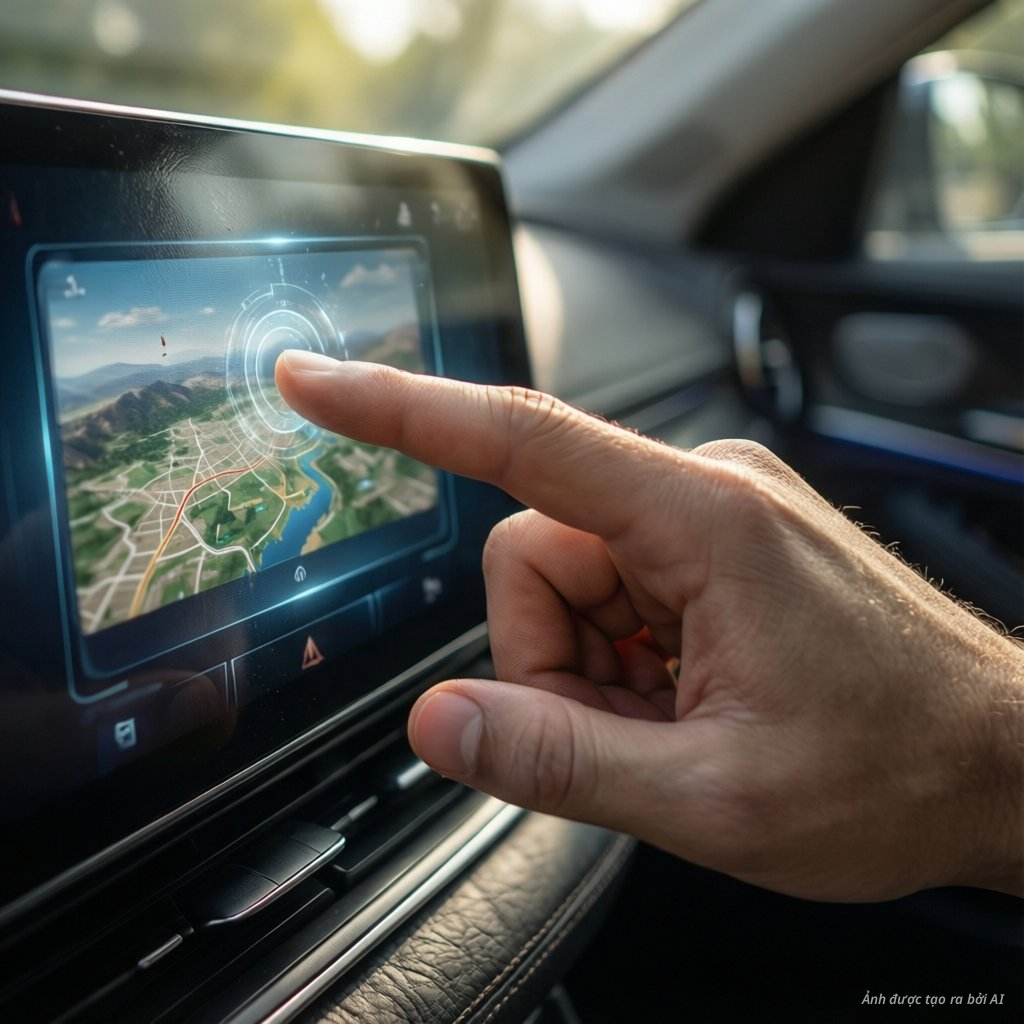
How gesture control works
Gesture control technology relies on a combination of advanced hardware and sophisticated software. At its core, the system uses sensors to track hand movements in three-dimensional space. Time-of-flight (ToF) cameras are among the most popular solutions [3]. These cameras emit infrared light pulses and measure the time it takes for them to bounce back.
This data creates a precise depth map of the driver’s hand. Once the system captures the movement, machine learning algorithms process the input. These algorithms, often based on convolutional neural networks, categorize the motion into specific commands [4]. Whether you are swiping to skip a song or pinching to zoom on a map, the car interprets these movements instantly.
The benefits of touchless interaction
Safety is the primary driver behind the adoption of gesture controls. By reducing the need to look at a center-stack screen, drivers can keep their eyes on the road for longer periods [5]. This reduction in cognitive load is vital for modern driving environments. Furthermore, touchless systems keep screens free from fingerprints and smudges.
Convenience is equally important for the modern user. Imagine adjusting the fan speed or answering a phone call with a simple wave of your hand. These automotive gesture control systems provide a level of fluidity that physical buttons simply cannot match. You can also explore how AI virtual assistants are revolutionizing automotive interaction to see how these technologies complement each other.
Common applications in modern vehicles
Gesture recognition is not limited to a single function. Manufacturers are integrating these systems across various vehicle subsystems to improve the overall user experience. Below are some of the most common applications found in today’s premium and mid-segment cars:
- Infotainment control: Rotate your index finger to adjust volume or swipe left and right to change tracks.
- Communication: Accept or reject incoming calls with a simple swipe toward or away from the dashboard.
- Climate and lighting: Control fan speeds or toggle interior reading lights without reaching for a switch.
- Navigation: Use a pinch-to-zoom gesture to interact with maps on the head-up display or center screen.
Overcoming technical challenges
Despite the advantages, the industry still faces hurdles. One significant challenge is the prevention of false positives. Drivers often use hand gestures during casual conversation, which can accidentally trigger system commands [1]. To solve this, engineers use multi-modal fusion. This combines gesture input with eye-tracking or voice commands to confirm the driver’s actual intent [3].
Environmental factors also play a role. Intense sunlight or shadows can interfere with optical sensors. However, the automotive gesture recognition market is rapidly addressing these issues. Manufacturers are developing more robust hardware that maintains performance across varying lighting conditions [4].
The future of the digital cockpit
The integration of gesture control is part of a larger shift toward the “digital cockpit.” As vehicles become more connected, the way we control them must become more intuitive. We are seeing a transition from static interfaces to dynamic, context-aware systems [2]. This evolution is essential for the next generation of autonomous and semi-autonomous vehicles.
As sensor costs decrease, we can expect this technology to reach a wider range of vehicle segments. What was once exclusive to luxury sedans will soon be a common feature in everyday commuters. You might also want to read about understanding over-the-air software updates for modern vehicles to see how these gesture systems will be improved over time through remote updates.
Choosing a vehicle with advanced interfaces
When shopping for a new car, consider how the interface aligns with your lifestyle. If you value convenience, prioritize models that offer intuitive, well-tested gesture controls. Look for systems that allow for customization, as this ensures the controls feel natural to your specific habits. The automotive gesture recognition market continues to grow, providing more options for consumers who want the latest in automotive technology [4].
More Information
- Time-of-Flight (ToF) camera: A sensor technology that emits light pulses to measure distance and create 3D maps of objects, essential for accurate gesture tracking in vehicles.
- Human-Machine Interface (HMI): The point of interaction between a human and a machine, which in automotive contexts includes touchscreens, voice control, and gesture recognition systems.
- Multi-modal fusion: A data processing method that combines inputs from multiple sensors, such as cameras and microphones, to improve the accuracy and reliability of vehicle commands.
- False positive: An unintended system activation caused by a gesture that was not meant to be a command, a common challenge in early gesture control development.
- Cognitive load: The amount of mental effort being used in the working memory; reducing this is a key goal for automotive designers to increase driver safety.