
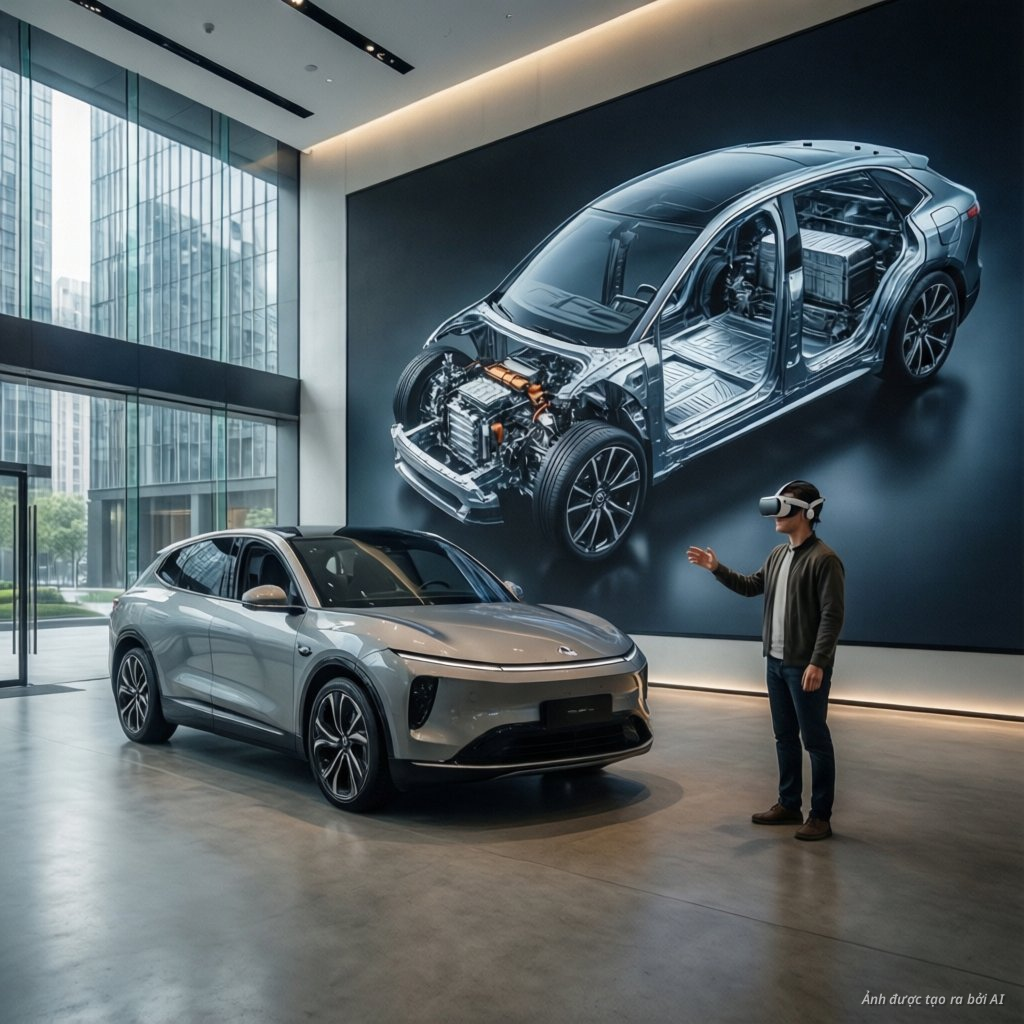
The automotive retail sector is undergoing a massive transformation. Traditional dealerships are evolving into digital-first environments. Modern consumers now conduct over 80% of their vehicle research online before ever visiting a physical location [1]. This shift forces managers to rethink the purpose of the showroom floor.
Virtual reality (VR) and augmented reality (AR) are no longer futuristic concepts. They are practical tools for modern retail management. By integrating these technologies, showrooms can bridge the gap between digital convenience and physical interaction [4].
Redefining the dealership footprint
Space optimization is a primary concern for showroom managers. Maintaining a large inventory on-site is expensive and logistically difficult. Virtual showrooms solve this by allowing retailers to display an entire global catalog in a compact space [5].
Managers can now operate boutique-style stores in high-traffic urban centers. These locations require less square footage while offering a wider selection than traditional lots. This strategic shift in retail design reduces overhead costs significantly.
Hyper-personalization through digital twins
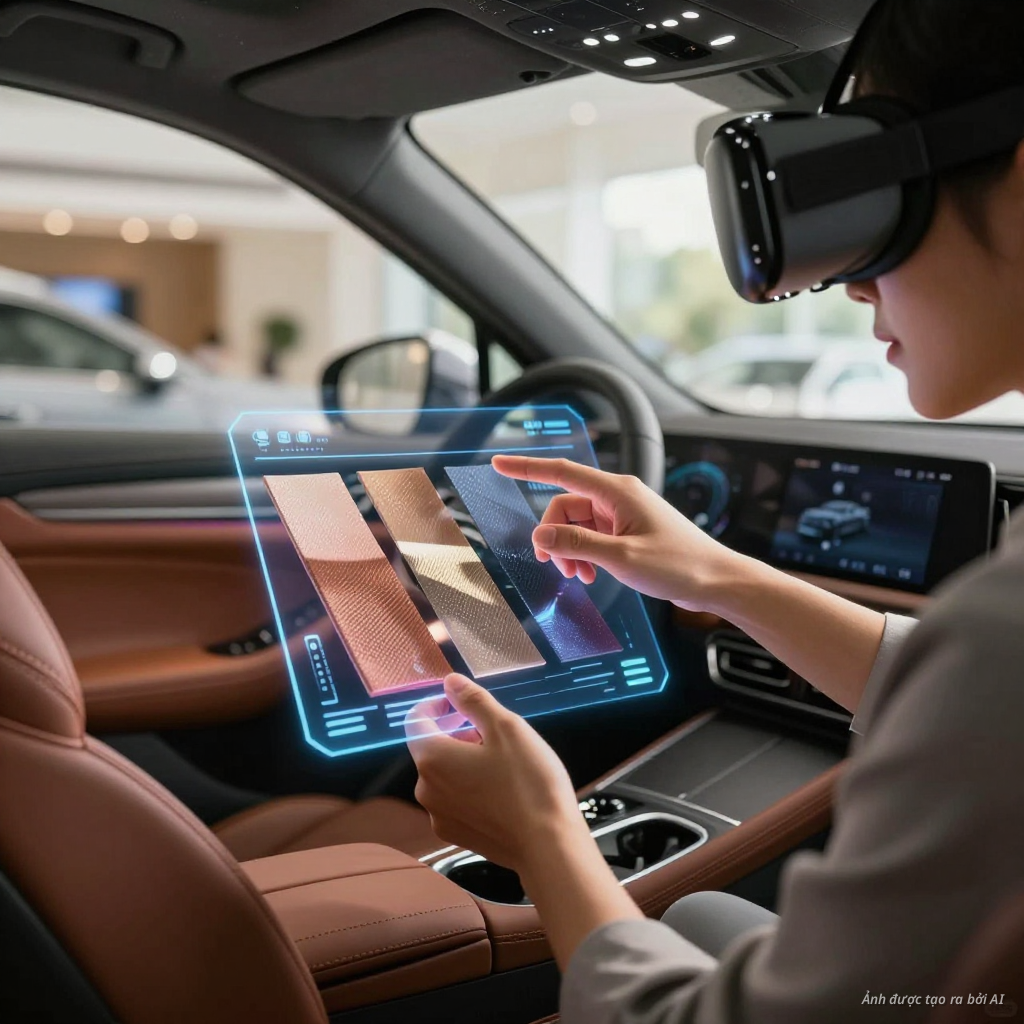
Customers today demand unique vehicle configurations. Virtual configurators allow buyers to swap exterior colors and interior materials instantly [2]. Users can view these changes under various lighting conditions, from bright daylight to evening settings.
This level of detail improves customer confidence. When a buyer sees their custom-built car in a photorealistic 1:1 scale environment, they are more likely to finalize the purchase [4]. It turns the configuration process into an engaging, high-margin activity.
The impact of cloud-powered rendering
High-performance engines like Unreal Engine and Unity drive these experiences. Through cloud-based rendering platforms, dealerships stream high-fidelity visuals directly to browsers. This removes the need for expensive local hardware.
WebXR technology allows for frictionless access. Customers can view 3D models on their smartphones without downloading complex applications. This accessibility is crucial for maintaining engagement throughout the buyer’s journey [2].
Real-world applications of virtual showrooms
Several industry leaders have already adopted these technologies. For instance, the Audi VR experience allows customers to examine every detail of their vehicle. This includes seat stitching and dashboard textures [3].
Other brands like Polestar and Lucid Motors operate on direct-to-consumer models. They use compact physical galleries supported by robust digital tools. This approach simplifies the purchasing process and aligns with modern consumer expectations [1].
Enhancing customer engagement
Interactive 3D experiences keep customers in the showroom longer. They provide a deeper understanding of complex technologies, such as electric powertrains or driver assistance systems. When customers understand the tech, they are more likely to invest in optional packages [4].
Managers should view VR as a sales enablement tool. It is not just about showing the car; it is about telling the brand story. Immersive technology helps convey the value of premium features that are not always visible to the naked eye.
Strategies for showroom managers
To stay competitive, managers must prioritize digital integration. Start by auditing your current showroom layout. Identify areas where physical inventory can be replaced by high-resolution digital displays.
Invest in training staff to guide customers through VR sessions. The goal is to make the technology feel intuitive rather than overwhelming. For more insights on this transition, read about the future of automotive retail: virtual reality and augmented reality shopping.
Future-proofing the retail experience
The automotive market will continue to lean into digital solutions. As VR hardware becomes more affordable, its adoption will accelerate across all market segments [5]. Managers who act early will capture a larger share of the tech-savvy consumer base.
Consider the long-term benefits of reducing physical inventory. Lower holding costs and improved logistics lead to better financial performance. The future of the showroom is not just about physical space; it is about the digital experience you provide.
More Information
- Digital retail: A model where the customer journey begins online and integrates physical touchpoints to provide a seamless, omnichannel experience for vehicle purchasing.
- Digital twin: A virtual replica of a physical vehicle, rendered in real-time to allow customers to view, configure, and interact with the car in a 3D environment.
- Audi VR experience: A specialized dealership integration that uses high-end headsets and spatial audio to provide a photorealistic, immersive look at custom-configured vehicles.
- Phygital retail: A blend of physical and digital retail strategies designed to enhance the customer experience through technology like VR and AR.
- WebXR: A standard that enables virtual and augmented reality experiences directly through a web browser, removing the need for dedicated software downloads.