
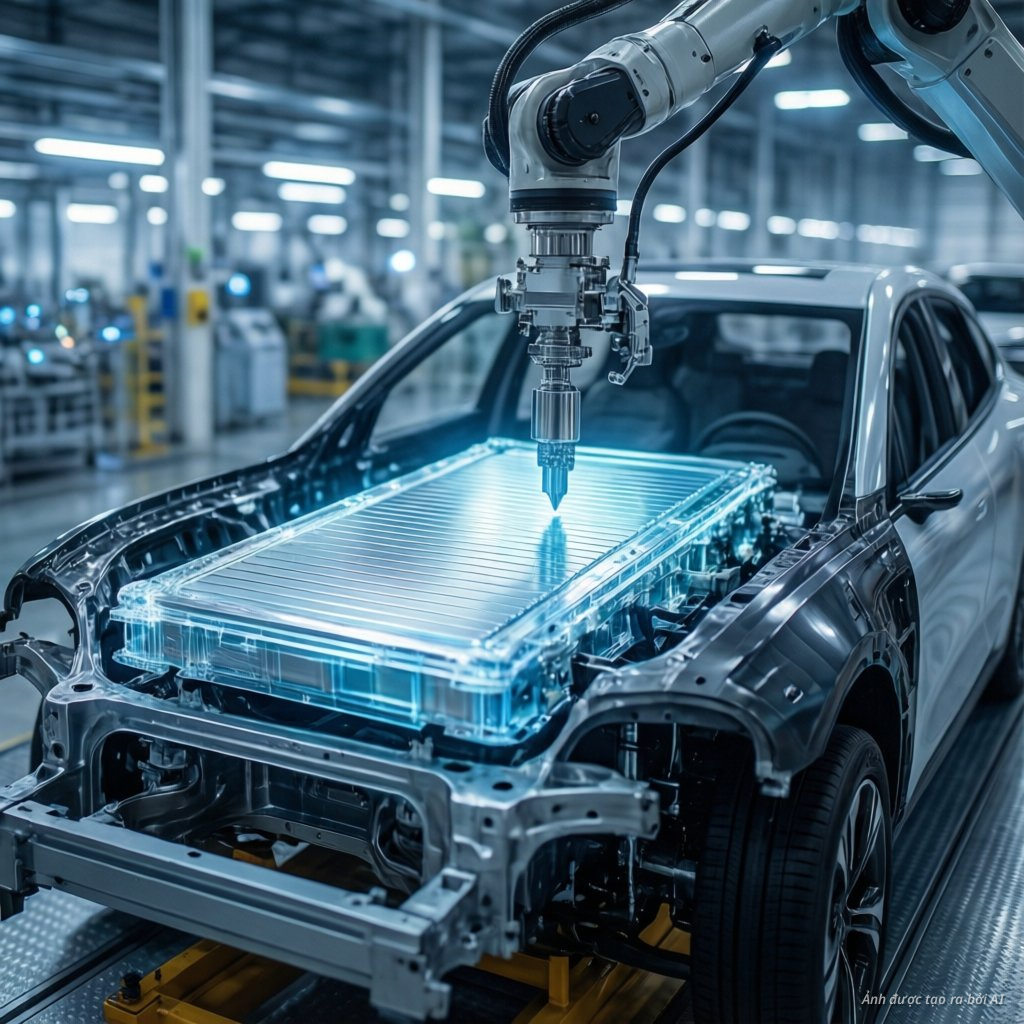
The global automotive industry stands at a critical juncture regarding energy storage. As demand for electric vehicles (EVs) accelerates, the transition toward sustainable battery life cycles becomes paramount. Solid-state battery (SSB) technology represents a transformative leap in this evolution.
By replacing liquid electrolytes with solid materials, these batteries promise higher energy density and improved safety profiles. However, their integration into a circular economy framework requires researchers and technology firms to rethink traditional end-of-life strategies. Understanding this intersection is essential for future-proofing the EV supply chain.
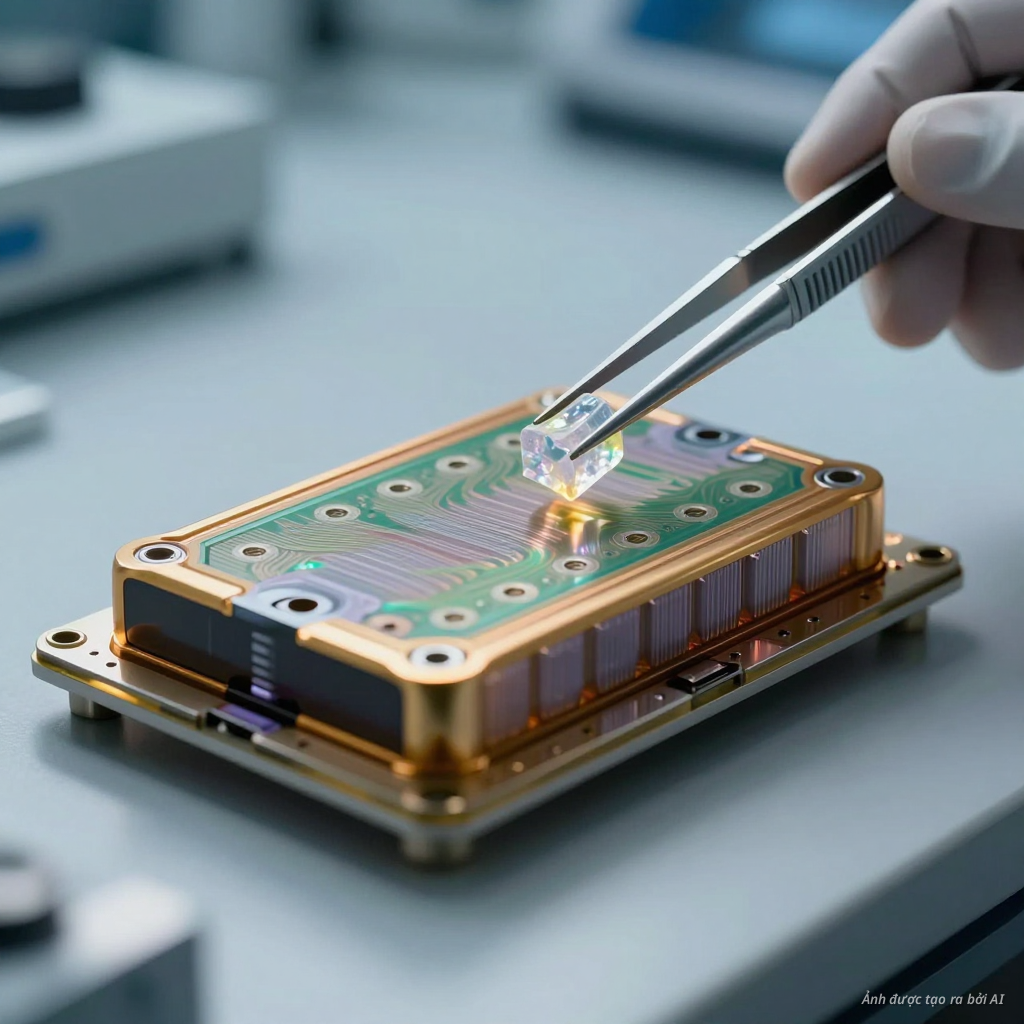
The technical shift toward solid-state batteries
Current lithium-ion batteries rely on liquid organic electrolytes, which pose risks of thermal runaway. In contrast, SSBs utilize solid electrolytes—typically sulfide, oxide, or polymer-based—to facilitate ion transport. This change allows for the use of high-capacity lithium metal or silicon-dominant anodes [1].
These batteries target energy densities between 400 and 500 Wh/kg. Furthermore, they enable rapid charging, potentially reaching 80% capacity in just 10 to 15 minutes. Such performance metrics are vital for the widespread adoption of next-generation electric mobility [2].
Challenges in the circular life cycle
Recycling SSBs presents unique technical hurdles compared to conventional liquid-based cells. The high-pressure bonding required for solid-to-solid interfaces complicates mechanical disassembly. Additionally, oxide-based electrolytes often behave like ceramics, necessitating energy-intensive processes for material recovery [3].
Sulfide-based electrolytes introduce another layer of complexity. If exposed to moisture during the recycling process, they can release toxic hydrogen sulfide gas. Consequently, specialized inert-atmosphere facilities are necessary to manage these materials safely during the dismantling phase [4].
Opportunities for sustainable material recovery
Despite these challenges, SSBs offer distinct advantages for a circular economy. The absence of volatile organic solvents eliminates the risk of hazardous VOC emissions during the crushing phase. This simplifies the environmental compliance requirements for recycling facilities [5].
Research is currently shifting toward direct recycling methods. These techniques aim to restore solid electrolyte and cathode powders without destroying their crystal structure. By avoiding energy-intensive pyrometallurgy, firms can significantly reduce the carbon footprint of the battery value chain.
Advancing second-life energy storage
The inherent thermal and electrochemical stability of SSBs extends their primary automotive life cycle. Reduced degradation rates mean that retired packs often retain higher residual capacity than current liquid-based units. This makes them ideal candidates for stationary energy storage systems (ESS).
Integrating these batteries into second-life applications maximizes the utility of recovered critical minerals. By extending the usage period, companies can align with circular economy policy incentives that promote resource efficiency. This strategy mitigates the pressure on raw material mining.
Regulatory drivers and the battery passport
Global regulations are increasingly mandating strict material recovery targets. The EU Battery Regulation, for instance, sets ambitious goals for the recovery of lithium, cobalt, and nickel. These mandates force manufacturers to design batteries with disassembly in mind [1].
The implementation of a digital “Battery Passport” will further streamline this process. By tracking material composition and health status, stakeholders can optimize recycling routes for specific SSB chemistries. This transparency is crucial for maintaining a sustainable and compliant supply chain [3].
The path toward 2030 and beyond
Commercialization of SSBs is expected to scale significantly by 2030. Automotive OEMs and battery developers are currently investing heavily in pilot production lines. These early deployments will provide the data necessary to refine recycling protocols [2].
Collaboration between researchers and technology firms remains the key to success. By addressing the material recovery challenges early, the industry can ensure that the transition to solid-state technology remains truly sustainable. The future of the circular economy depends on these proactive engineering decisions.
More Information
- Solid-state battery: A battery technology that replaces liquid electrolytes with solid materials, enabling higher energy density and improved safety by minimizing thermal runaway risks in electric vehicle applications.
- Circular economy: An economic system aimed at eliminating waste and the continual use of resources through strategies like recycling, remanufacturing, and extending the life of products and materials.
- Direct recycling: A battery recycling process that restores cathode and electrolyte materials to their original state without breaking them down into their constituent elements, preserving high-value crystal structures.
- Energy density: The amount of energy stored in a given system or region of space per unit volume or mass, a critical metric for determining the range of electric vehicles.
- Thermal runaway: A condition in batteries where an increase in temperature changes the conditions in a way that causes a further increase in temperature, often leading to fire or explosion.