
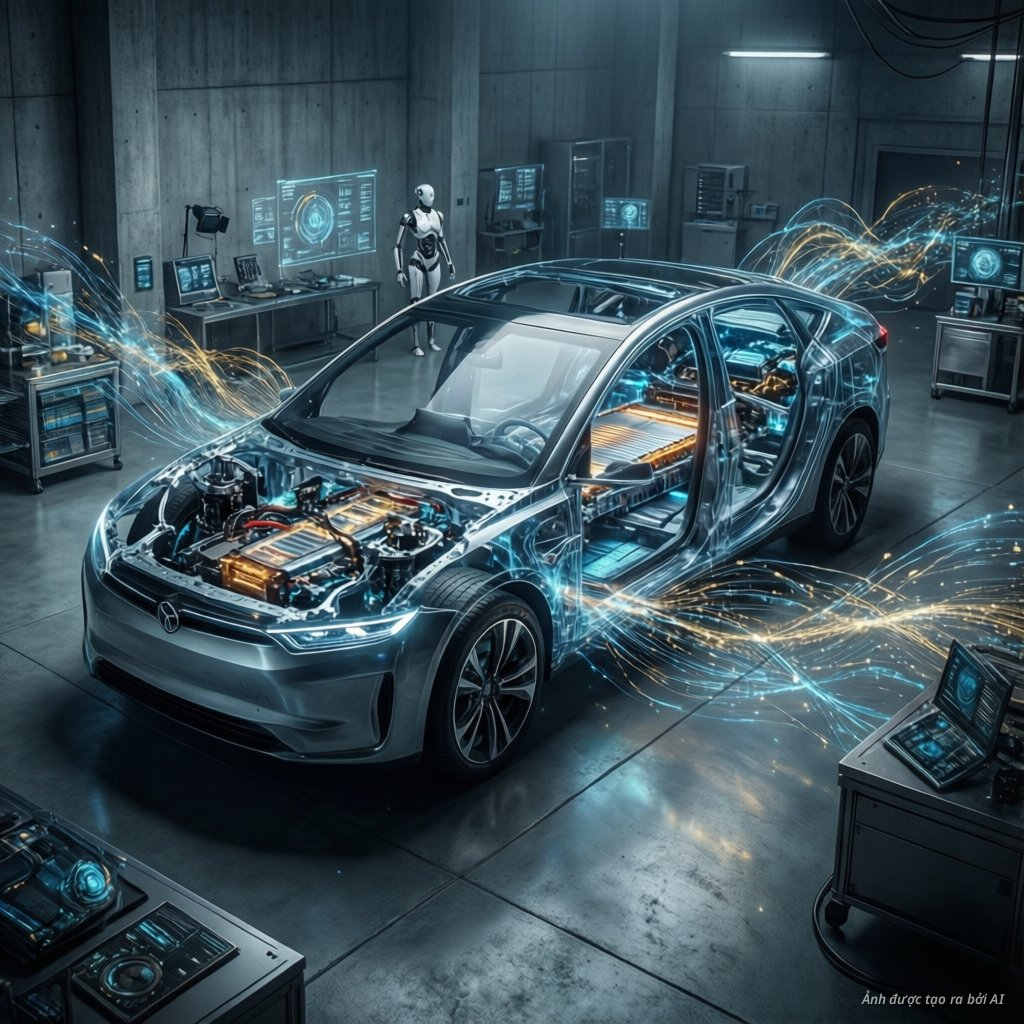
The automotive industry is currently undergoing a massive digital transformation. One of the most impactful changes is the shift toward smart AI predictive maintenance for modern vehicles. This technology moves beyond traditional reactive repairs by using data to foresee issues before they cause a breakdown [1].
Car owners and service centers are increasingly adopting these intelligent systems to improve safety and efficiency. By analyzing real-time telemetry, AI can now predict the remaining useful life of critical components with high accuracy [2]. This evolution is fundamentally changing how we approach vehicle ownership and fleet management.
Understanding the core of predictive maintenance
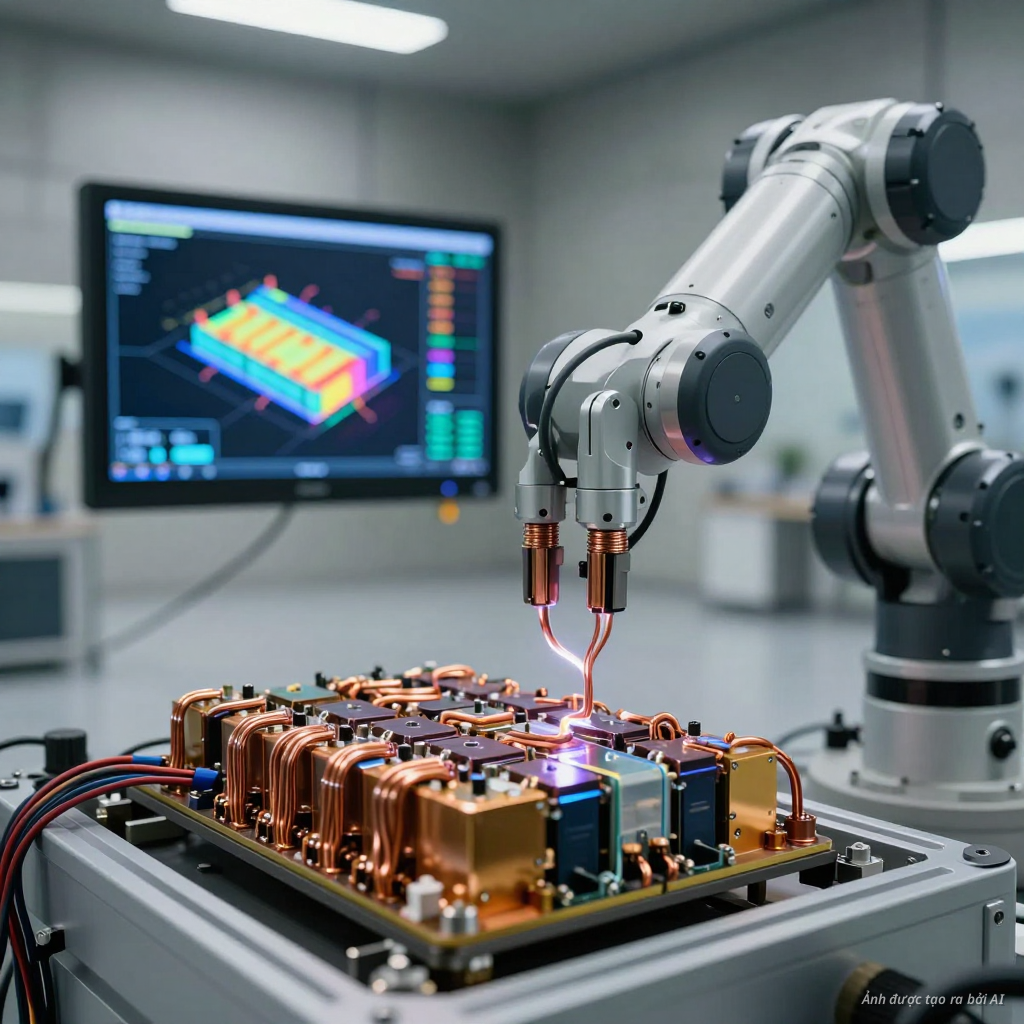
At its heart, predictive maintenance relies on a complex network of sensors. These sensors collect data from the CAN bus, tire pressure monitors, and thermal sensors [3]. This constant stream of information creates a comprehensive picture of a vehicle’s operational health.
Once collected, this data is processed using sophisticated machine learning algorithms. Systems like IBM’s predictive maintenance tools help identify patterns that indicate impending failure. By detecting these anomalies early, drivers can avoid the stress of unexpected roadside mechanical issues.
The role of machine learning in vehicle health
Machine learning models, such as Long Short-Term Memory networks, are essential for time-series forecasting. These models analyze historical performance data to predict future degradation [4]. This allows for a more proactive approach to vehicle care.
For instance, understanding over-the-air software updates for modern vehicles is crucial for this process. Manufacturers can push algorithmic updates that refine how a car monitors its own health. This ensures that the diagnostic capabilities of the vehicle improve over time without needing a hardware replacement.
Benefits for car owners and service centers
The primary advantage for vehicle owners is a significant reduction in total cost of ownership. By replacing parts only when necessary, owners avoid the waste of premature maintenance [2]. This data-driven approach also enhances safety by preventing catastrophic failures on the road.
Service centers benefit by optimizing their workflow and inventory management. With market growth in automotive predictive maintenance, shops can automate parts ordering. This ensures that the right components are available exactly when a customer arrives for their scheduled service.
Managing electric vehicle battery health
Electric vehicles (EVs) represent a significant portion of the shift toward AI-driven diagnostics. Battery health management is a primary use case for this technology. AI monitors thermal conditions and cell degradation to prevent thermal runaway [3].
This continuous monitoring helps maintain the battery’s lifecycle and ensures optimal charging performance. As more drivers transition to electric mobility, these intelligent systems will become standard features. They provide peace of mind by offering clear insights into the long-term health of the most expensive component in an EV.
Future trends in automotive diagnostics
The future of this technology lies in generative AI and digital twins. A digital twin is a virtual replica of a vehicle that runs simulations based on real-world sensor data [4]. This allows for highly accurate predictions regarding how a specific car will perform under various conditions.
Furthermore, industry reports on predictive maintenance suggest that voice-activated diagnostic assistants will soon become common. Drivers will be able to ask their cars about warning lights and receive immediate, context-aware advice. This level of interaction makes vehicle maintenance more accessible and less intimidating for the average consumer.
Integrating cross-industry data ecosystems
The true power of AI maintenance is realized when data ecosystems are integrated. Imagine a world where your vehicle, your insurance provider, and your local repair shop share diagnostic data [5]. This creates a seamless experience for the driver.
For example, how AI virtual assistants are revolutionizing automotive interaction will play a key role in this integration. These assistants can bridge the gap between complex sensor data and simple, actionable advice. As these systems mature, we can expect a significant decrease in unplanned downtime across the entire automotive sector.
Conclusion
Smart AI predictive maintenance is no longer a futuristic concept. It is a present-day reality that is making driving safer and more efficient for everyone. By leveraging real-time data and advanced analytics, we are entering a new era of automotive reliability.
Whether you are a fleet manager or a daily commuter, embracing these technologies is a smart investment. As the industry continues to innovate, staying informed about these advancements will help you get the most out of your vehicle. The future of maintenance is intelligent, proactive, and data-driven.
More Information
- Predictive maintenance: A proactive maintenance strategy that uses data analysis and machine learning to predict when equipment failure might occur, allowing for repairs to be scheduled before the failure happens.
- Telemetry: The automated process of collecting and transmitting data from remote sources, such as vehicle sensors, to an IT system for monitoring and analysis.
- CAN bus: A robust vehicle bus standard designed to allow microcontrollers and devices to communicate with each other’s applications without a host computer.
- Digital twin: A virtual representation that serves as the real-time digital counterpart of a physical object or process, used for simulation and predictive analysis.
- Machine learning: A subset of artificial intelligence that focuses on the use of data and algorithms to imitate the way that humans learn, gradually improving its accuracy.