
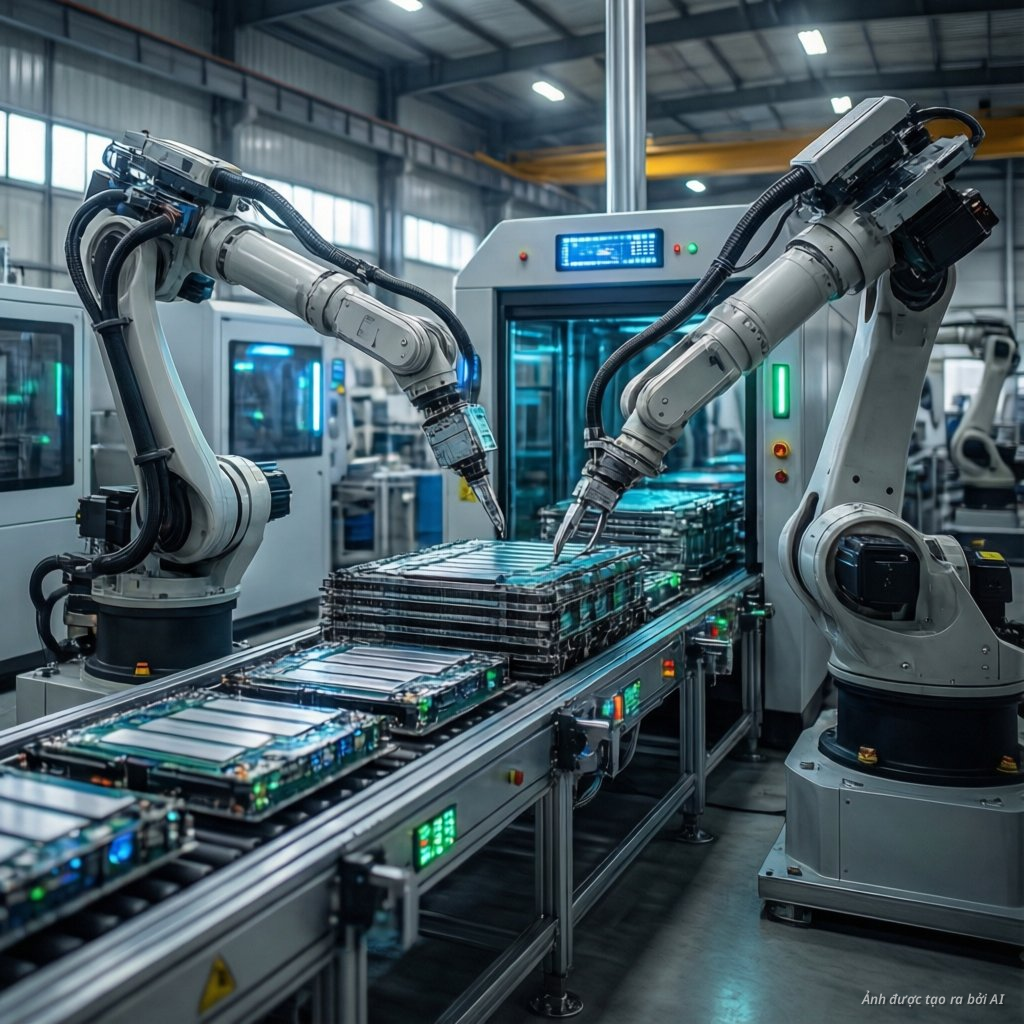
The global shift toward electric vehicles (EVs) has accelerated the need for sustainable end-of-life management for lithium-ion batteries. As the volume of spent batteries increases, recycling facilities face complex operational challenges. Experts must prioritize risk assessment and safety management to mitigate the inherent dangers of high-energy storage systems [3].
Managing these risks requires a deep understanding of electrical, thermal, and chemical hazards. Organizations like the US Environmental Protection Agency highlight the importance of proper handling to prevent environmental and safety incidents [1]. By implementing rigorous efficient and safe lithium-ion battery recycling technologies, companies can protect their workforce and the environment.
Understanding high-voltage electrical hazards
EV battery packs typically operate at voltages between 400V and 800V DC. This high energy density presents a significant risk of electrocution during the manual dismantling process. Workers must utilize specialized, insulated tools rated for these voltage levels to prevent accidental contact.
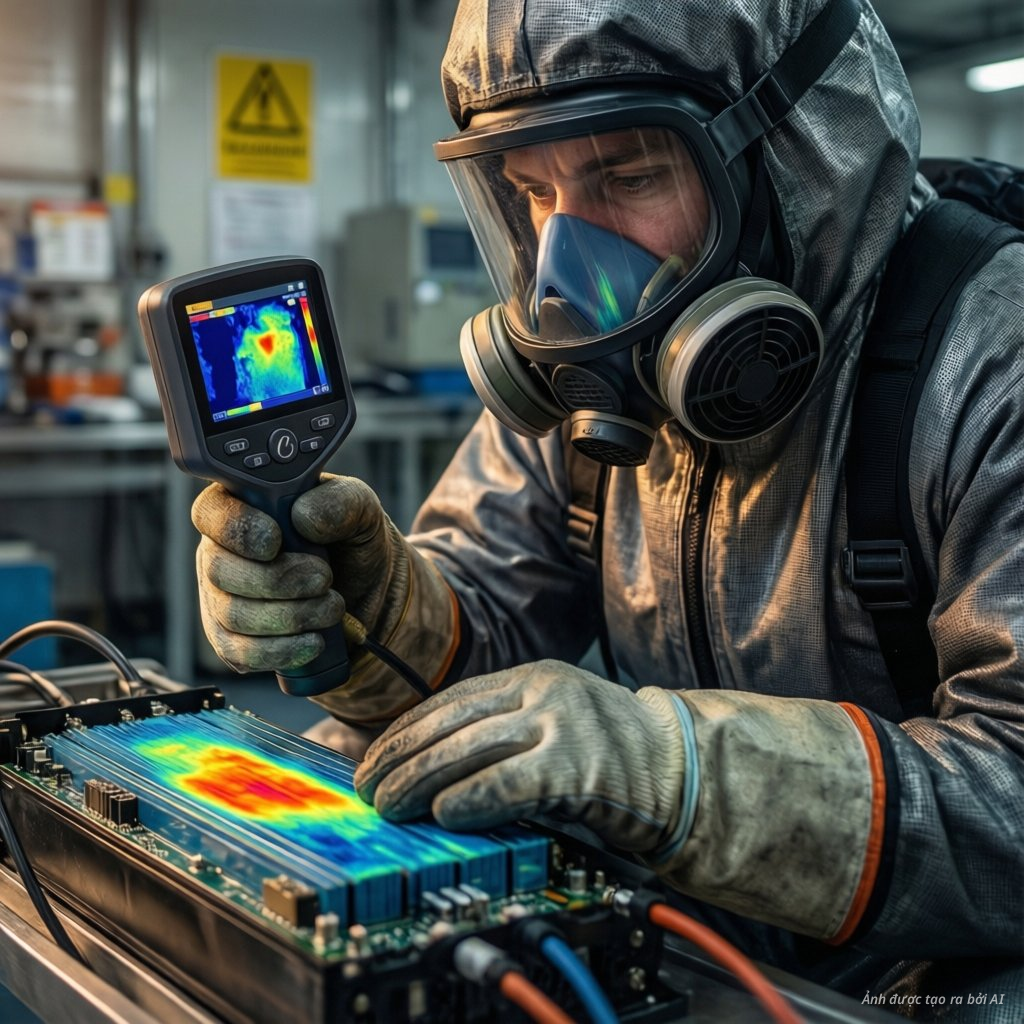
Arc flash incidents represent another critical danger in the recycling chain. Without strict isolation procedures, energy discharge can cause severe injuries or fatal accidents. Facilities must implement automated diagnostic scanning to ensure thermal and electrical stability before personnel handle any battery components.
Managing thermal runaway and fire risks
Thermal runaway remains the most dangerous risk in battery recycling. It occurs when a physical short circuit or damage triggers an uncontrollable exothermic reaction. These reactions can reach temperatures exceeding 800°C within seconds [4].
Secondary ignition is a persistent threat even after a vehicle is decommissioned. Spent batteries often retain a residual state of charge, making them susceptible to spontaneous fires during transport or shredding. Storage areas must be climate-controlled and equipped with fire-retardant barriers to isolate potential hot spots.
Controlling chemical and toxicological exposure
The processing of lithium-ion batteries releases hazardous materials that threaten worker health. Thermal decomposition of electrolytes can produce toxic gases, including hydrogen fluoride and carbon monoxide. Engineering controls, such as specialized gas scrubbers, are essential to neutralize these airborne threats [4].
Mechanical shredding creates fine particulates containing heavy metals like cobalt, nickel, and manganese. Facilities should perform shredding under inert gas atmospheres, such as nitrogen or argon, to prevent dust explosions. Furthermore, hydrometallurgical extraction requires robust secondary containment to prevent acid or base leaks.
Regulatory frameworks and compliance
Compliance with international standards is mandatory for safe operations. The EU Battery Regulation sets strict benchmarks for recycled content and safety protocols [2]. These regulations ensure that recycling plants maintain high standards for environmental protection and worker safety.
In the United States, OSHA standards govern hazardous energy control and personal protective equipment (PPE) requirements [1]. Organizations must also adhere to UN 38.3 testing for the safe transport of lithium-ion batteries. Adopting these global frameworks helps companies manage risks while scaling their recycling infrastructure [5].
Essential personal protective equipment
PPE serves as the final line of defense for recycling personnel. Workers must wear arc-flash-rated suits when handling high-voltage modules. Dielectrically insulated gloves, ranging from Class 0 to Class 2, are mandatory to prevent electrical shocks.
Respiratory protection is equally vital when dealing with toxic off-gassing. Powered air-purifying respirators (PAPR) with acid gas cartridges provide the necessary filtration against hazardous vapors. Additionally, chemical-resistant aprons and face shields protect staff during hydrometallurgical processing stages.
Future directions in safety management
As the industry evolves, innovation in the role of AI in electric vehicle lifecycle management will improve risk detection. Predictive analytics can identify batteries with high failure risks before they reach the recycling line. This proactive approach reduces the likelihood of thermal events during the initial stages of processing.
Continuous investment in investing in electric vehicle battery recycling infrastructure is necessary to meet future demand. By integrating advanced sensors and automated robotics, companies can minimize human exposure to hazardous environments. Safety management must remain a dynamic process that adapts to new battery chemistries and evolving regulatory landscapes.
More Information
- Lithium-ion battery: A rechargeable energy storage device that uses lithium ions as the primary component of its electrochemistry, widely used in EVs due to high energy density and performance.
- Thermal runaway: A condition where an increase in temperature changes the conditions in a way that causes a further increase in temperature, often leading to a destructive, self-sustaining fire.
- Hydrometallurgy: A technique for recovering metals from ores or waste materials using aqueous chemistry, specifically involving the use of acids or bases to leach valuable minerals.
- Black mass: The powdery mixture resulting from the mechanical shredding of batteries, containing valuable metals like nickel, cobalt, and lithium that require further chemical refinement.
- UN 38.3: A standard set of tests for lithium batteries to ensure they are safe for transport, covering altitude, thermal, vibration, shock, short circuit, and overcharge conditions.