
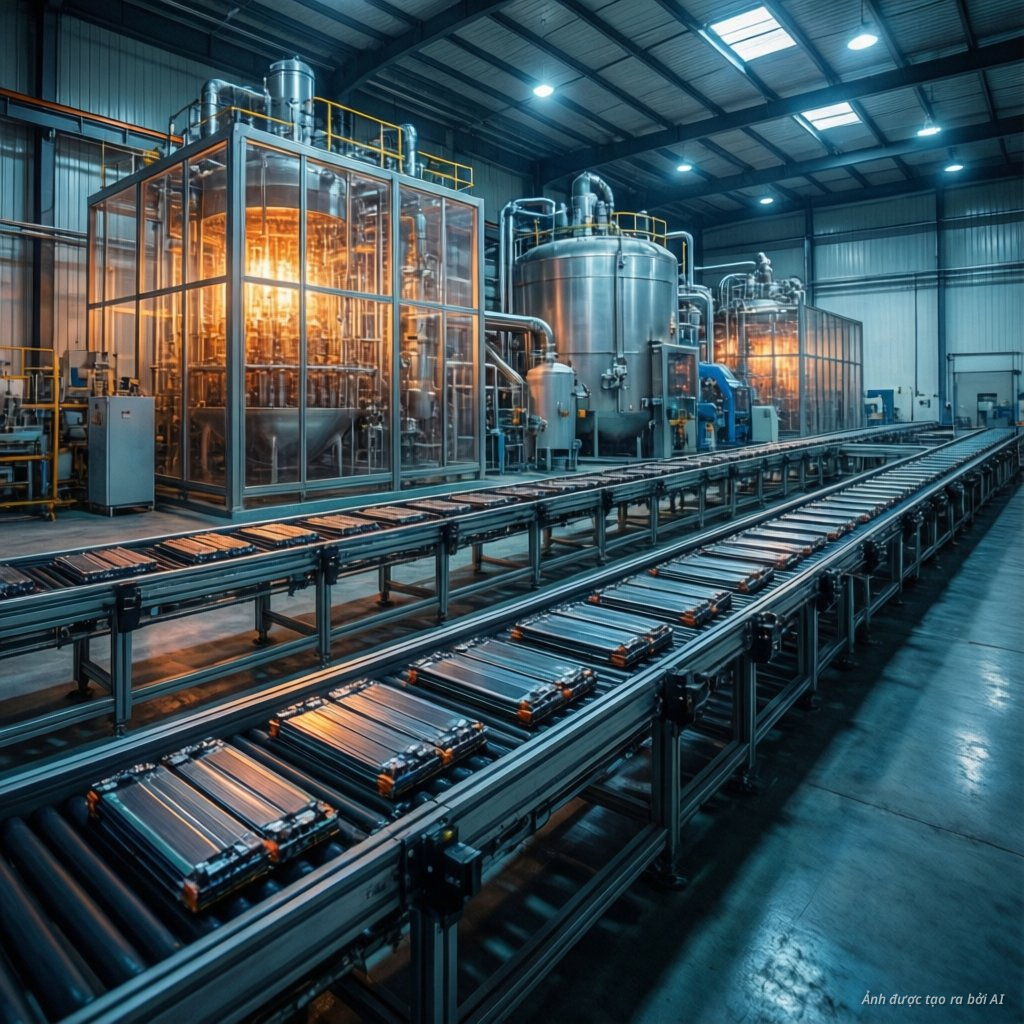
The global transition to electric vehicles and renewable energy storage has created an urgent need for sustainable battery management. As demand for critical minerals grows, engineers must prioritize efficient and safe lithium-ion battery (LIB) recycling technologies. This shift is essential to building a resilient supply chain and reducing environmental impact [4].
Current research focuses on closing the loop by recovering high-value materials from spent cells. By implementing advanced recycling methodologies, we can significantly lower the carbon footprint associated with virgin material extraction. Scientists are now refining processes to ensure both economic viability and workplace safety [2].
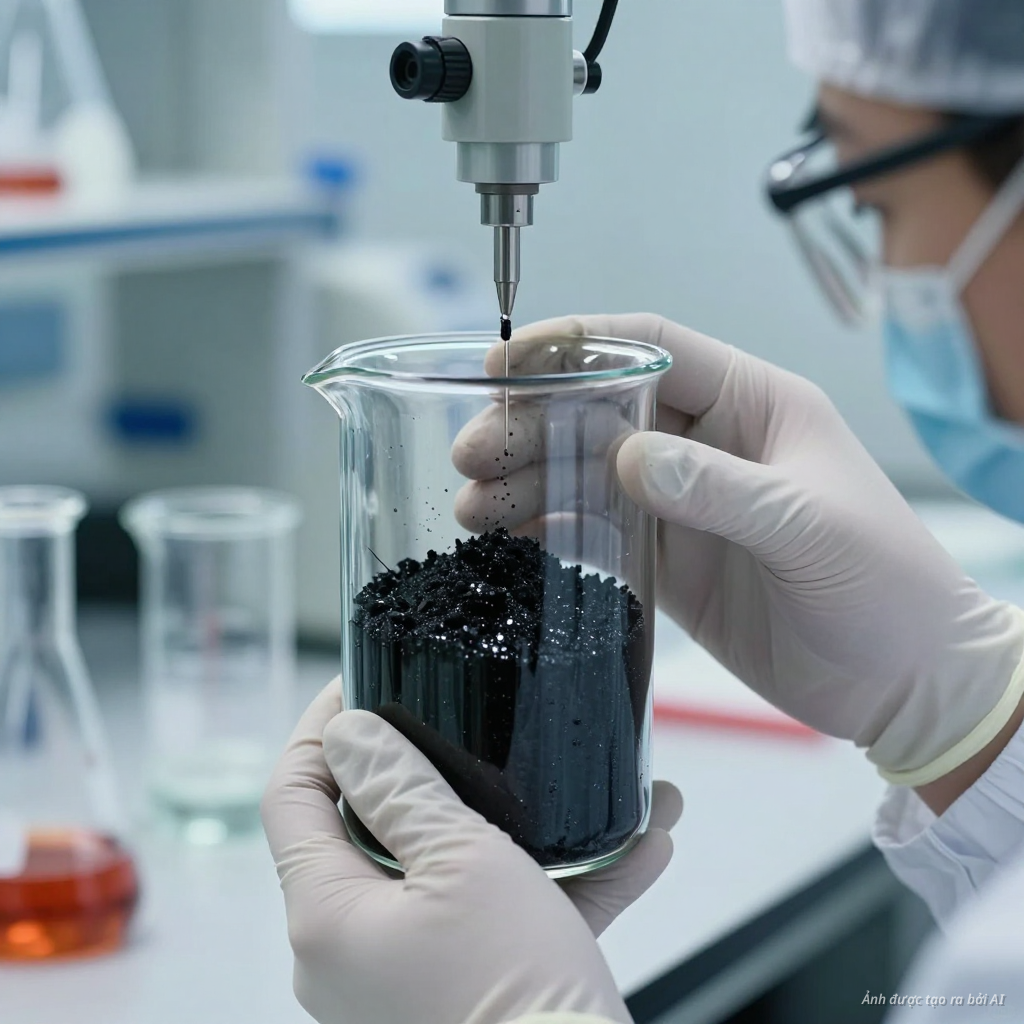
Core recycling methodologies
Modern recycling relies on three primary pathways, often integrated into hybrid industrial systems. Each method offers distinct advantages regarding recovery purity and energy consumption.
Hydrometallurgy
Hydrometallurgy involves mechanical shredding to produce “black mass,” followed by chemical leaching. This process uses acid or alkaline solutions to isolate elemental salts [1]. It recovers over 95% of nickel, cobalt, and lithium. This approach is highly favored for producing battery-grade raw materials directly.
Pyrometallurgy
Pyrometallurgy utilizes high-temperature smelting, typically between 1,000°C and 1,500°C. It reduces battery waste into metallic alloys containing cobalt, nickel, and copper. While effective, it often results in the loss of lithium and manganese into the slag [5]. Consequently, it requires secondary recovery steps to improve overall efficiency.
Direct cathode recycling
Direct cathode recycling represents the cutting edge of sustainable engineering. This method keeps the cathode crystal structure intact after mechanical separation. Through re-lithiation and thermal healing, it recovers material without breaking it down to its base elements. This innovative research reduces energy consumption by up to 80% compared to traditional production [3].
Safety protocols and technical innovations
Safety remains the primary concern when processing lithium-ion batteries due to the risk of thermal runaway. Engineers must manage the state-of-charge (SoC) before any mechanical processing occurs. Automated discharging systems, such as brine immersion, effectively neutralize the energy stored in spent cells.
Mitigating thermal runaway
Shredding operations are now conducted under inert gas atmospheres, such as nitrogen or argon. These environments prevent flammable electrolyte reactions during the initial breakdown phase. Liquid containment solutions also provide an additional layer of protection against accidental ignition.
Management of hazardous off-gases
Thermal pretreatment is necessary to capture toxic binder gases. Systems often target hydrogen fluoride (HF), which is a common byproduct of PVDF binder degradation. Advanced scrubber systems and supercritical CO₂ extraction are increasingly used to purify volatile organic solvents safely [1].
Economic and regulatory drivers
The transition toward a circular economy is supported by both market demand and strict government regulations. Recycling reduces the lifecycle energy requirements by up to 58% compared to mining virgin minerals. This efficiency is vital for companies aiming to lower their comprehensive life cycle assessment scores.
- EU battery regulation: The European Union has mandated aggressive recovery targets for lithium, targeting 80% recovery by 2031.
- US policy support: The Inflation Reduction Act encourages domestic recycling capacity by providing tax credits for materials processed within North America.
- Supply chain resilience: Recycling reduces reliance on geographically concentrated mining hubs, securing raw materials for future production [4].
These regulations force manufacturers to integrate recycled content into new batteries. By 2031, specific percentages of cobalt, lithium, and nickel must come from recycled sources. This creates a stable market for high-quality black mass processing [5].
Future outlook for engineers
As the volume of retired batteries increases, the industry must scale these technologies rapidly. Engineers should focus on modular designs that facilitate easier disassembly. Improving the circular economy for ev batteries will require cross-industry collaboration between chemists, mechanical engineers, and policy experts.
Future research will likely prioritize low-energy chemical leaching and automated sorting technologies. By refining these processes, we can ensure that lithium-ion batteries remain a cornerstone of the clean energy transition. The goal is a fully closed-loop system where battery materials are perpetually reused without quality degradation.
More information
- Hydrometallurgy: A chemical process that uses aqueous solutions to recover metals from battery materials through leaching, solvent extraction, and precipitation, ensuring high purity levels for battery-grade materials [1].
- Pyrometallurgy: A thermal treatment process involving high-temperature smelting to reduce battery components into metallic alloys, primarily recovering transition metals like cobalt and nickel [2].
- Direct cathode recycling: A sustainable recycling approach that restores the chemical structure of the cathode material without breaking it down into individual elements, significantly saving energy [3].
- Black mass: A concentrated, powdered mixture of active materials recovered from shredded batteries, containing valuable metals like lithium, nickel, cobalt, and manganese [4].
- Thermal runaway: A dangerous condition in lithium-ion batteries where an increase in temperature causes a self-sustaining exothermic reaction, potentially leading to fires or explosions [5].