
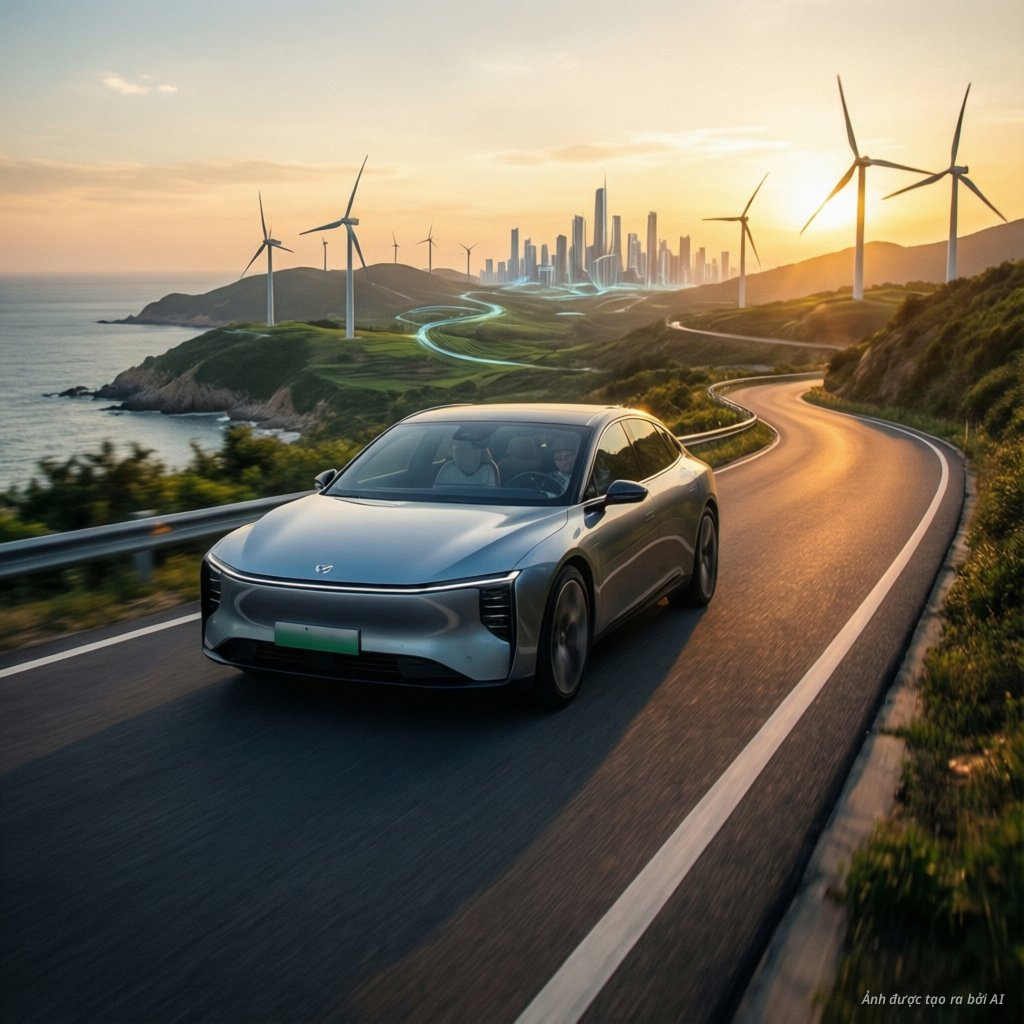
The transition toward electric mobility is a cornerstone of global decarbonization strategies. Researchers and environmental experts must evaluate the total impact of these vehicles beyond mere tailpipe emissions. A comprehensive life cycle assessment (LCA) provides the necessary framework to understand the true environmental footprint of battery electric vehicles (BEVs).
This assessment spans four critical stages: raw material extraction, manufacturing, vehicle operation, and end-of-life recycling. By analyzing these phases, we can determine whether electric mobility offers a genuine net benefit to the planet [2]. Understanding this life cycle analysis is essential for informed policy and sustainable industrial development.

Raw material extraction and processing
The upstream phase begins with the extraction of critical minerals. These include lithium, cobalt, nickel, and graphite. This stage is often the most resource-intensive part of the vehicle’s life [3]. Mining activities can lead to significant local water scarcity, particularly in regions like the “Lithium Triangle.”
Refining these minerals into battery-grade materials requires substantial chemical and thermal energy. Environmental impacts here include potential ecosystem degradation and sulfur dioxide emissions. Researchers are currently exploring recycling critical metals from next-generation ev batteries and the path forward to mitigate these upstream burdens.
Manufacturing and the carbon debt
Manufacturing a BEV is more carbon-intensive than producing a traditional internal combustion engine vehicle (ICEV). The battery pack is the primary driver of this “carbon debt,” often resulting in 40% to 70% higher initial emissions [5]. The energy mix of the manufacturing location plays a pivotal role in this equation.
Gigafactories located in regions with renewable energy grids have a lower upfront footprint than those relying on coal. Furthermore, battery chemistry choices influence the total impact. For instance, lithium iron phosphate (LFP) batteries generally require fewer scarce materials than nickel manganese cobalt (NMC) variants [4].
The use phase and operational efficiency
The operational phase is where BEVs demonstrate their greatest environmental advantage. Electric motors are highly efficient, converting 80% to 90% of grid energy into motion. In contrast, internal combustion engines lose most of their energy as waste heat [1]. This efficiency gap ensures that BEVs remain cleaner than gasoline cars over their lifetime.
The carbon intensity of the local electricity grid significantly affects the break-even point. In regions with high renewable energy penetration, the emissions payback period is remarkably short. Even on coal-heavy grids, BEVs eventually surpass ICEVs in total lifetime greenhouse gas savings [5]. Experts often emphasize optimizing the electric vehicle lifecycle from design to end-of-life to maximize these benefits.
End-of-life and circular economy
The final stage of the life cycle involves battery disposal or repurposing. Second-life applications allow used batteries to serve as stationary energy storage for renewable grids. This strategy effectively extends the useful life of the battery components [2].
When batteries reach their final capacity limit, advanced recycling technologies become vital. Hydrometallurgy and direct recycling can recover over 90% of valuable materials like lithium and cobalt. These methods drastically reduce the need for virgin mining and lower the energy demand for future battery production [4].
Regional comparisons of life cycle emissions
The environmental benefit of switching to electric vehicles varies by geography. In Europe, BEVs registered today produce 66% to 69% lower lifetime greenhouse gas emissions than gasoline cars [1]. The United States shows similar trends, with reductions ranging from 60% to 68% [3].
Developing markets with coal-dominant grids also see improvements, though the progress is more gradual. As these nations transition toward cleaner energy, the global EV outlook suggests that emission reductions will continue to accelerate. By 2030, the carbon gap between electric and combustion vehicles is projected to widen significantly across all major markets [4].
Beyond carbon: a holistic view
While greenhouse gas reduction is the primary focus, environmental experts must also consider other impact categories. For example, BEVs eliminate tailpipe air pollutants such as nitrogen oxides and particulate matter. This improvement provides immediate public health benefits in urban environments [2].
However, we must remain vigilant regarding non-exhaust emissions. Tire wear and brake dust remain concerns for all vehicle types, though regenerative braking helps mitigate brake pad wear in electric models. Future research should continue to address these multifaceted environmental challenges to ensure a truly sustainable transport sector [5].
More Information
- Life cycle assessment (LCA): A systematic methodology used to evaluate the environmental impacts of a product or service throughout its entire life, from raw material extraction to disposal or recycling.
- Well-to-wheel emissions: A metric that measures the total greenhouse gas emissions produced by a vehicle, including both the fuel production process and the actual operation of the vehicle on the road.
- Emissions payback period: The distance a vehicle must travel to offset the higher carbon emissions generated during its manufacturing process compared to a conventional internal combustion engine vehicle.
- Circular economy: An economic system aimed at eliminating waste and the continual use of resources by employing strategies like reusing, repairing, refurbishing, and recycling materials.
- Grid mix: The combination of different energy sources (such as coal, wind, solar, or nuclear) used to generate electricity within a specific region or country at a given time.