
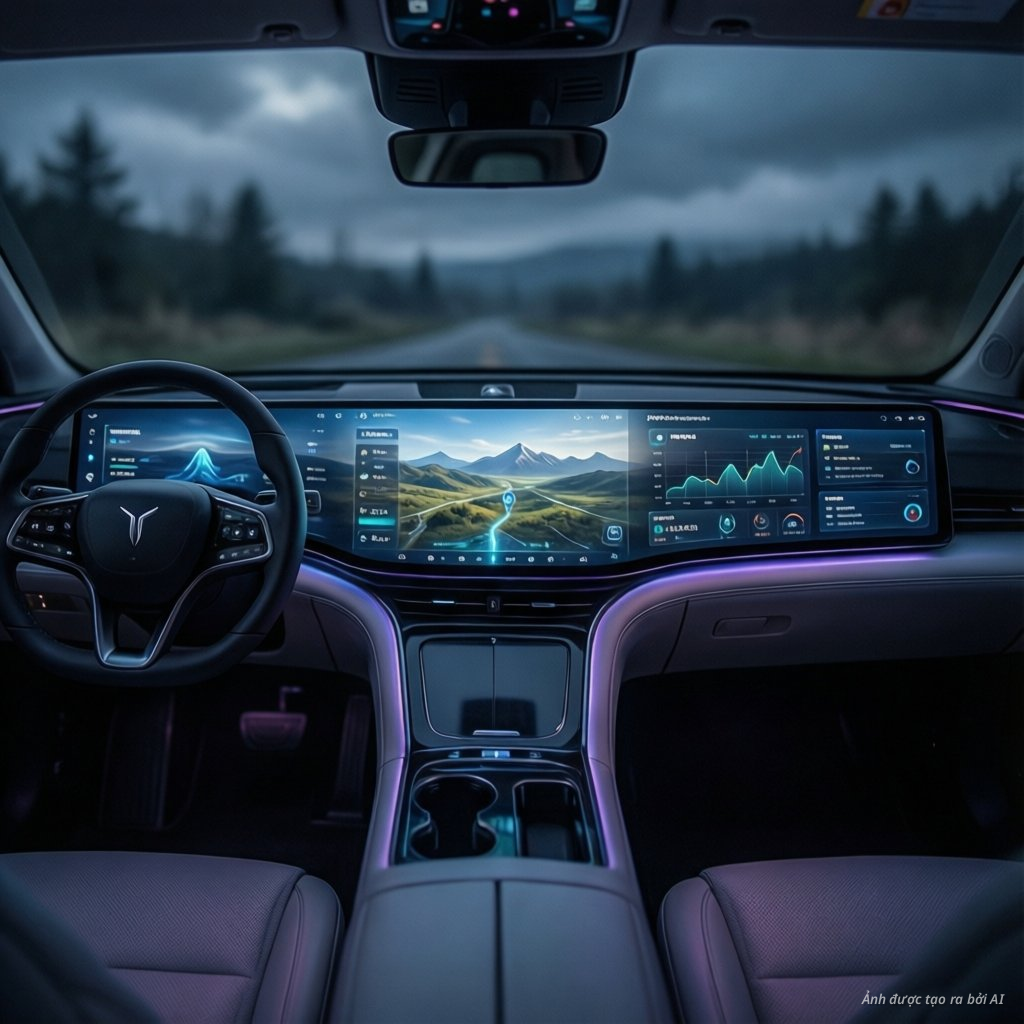
The automotive industry is currently undergoing a massive paradigm shift. Traditional analog gauge clusters are rapidly disappearing from modern vehicle interiors. In their place, we see the rise of hyper-integrated, multi-screen, and pillar-to-pillar display ecosystems [1].
As vehicles transition toward electric powertrains and autonomous driving, the dashboard is evolving. It is no longer just a collection of dials; it is the primary hub for human-machine interface (HMI) design, entertainment, and safety telemetry [2].
Market growth and the software-defined vehicle
The global market for automotive displays is expanding at an impressive rate. Analysts project the sector will reach over USD 30–39 billion by 2030 [3]. This growth is driven by the rapid adoption of electric vehicles (EVs) that prioritize high-tech aesthetics.
Furthermore, the shift toward software-defined vehicles (SDVs) allows manufacturers to offer downloadable UI skins. This flexibility ensures that the user-centric automotive interior design remains relevant long after the vehicle leaves the factory floor. Drivers now expect a connected-car experience that rivals their smartphones [4].
Advanced display technologies
Modern vehicle interiors rely on several cutting-edge display technologies to function effectively. OLED and P-OLED (plastic OLED) are becoming industry standards for curved dashboards. These screens offer true blacks, infinite contrast ratios, and a paper-thin profile [5].
Because P-OLED uses flexible plastic substrates, it provides superior durability against impact. This is a critical factor for meeting crash safety compliance standards. Meanwhile, mini-LED backlighting provides a compelling alternative for high-brightness needs. It delivers localized dimming zones, ensuring visibility even under direct sunlight [1].
The rise of pillar-to-pillar displays
One of the most striking trends is the move toward pillar-to-pillar (P2P) displays. These systems feature a single, continuous glass panel that spans the entire width of the dashboard. This design seamlessly combines the instrument panel, central infotainment, and passenger entertainment screens [2].
Safety remains paramount in these expansive setups. Engineers utilize active privacy control to block the driver’s view of passenger-side video content. This technology prevents unnecessary driver distraction while allowing passengers to enjoy media during long trips [3].
Augmented reality and heads-up displays
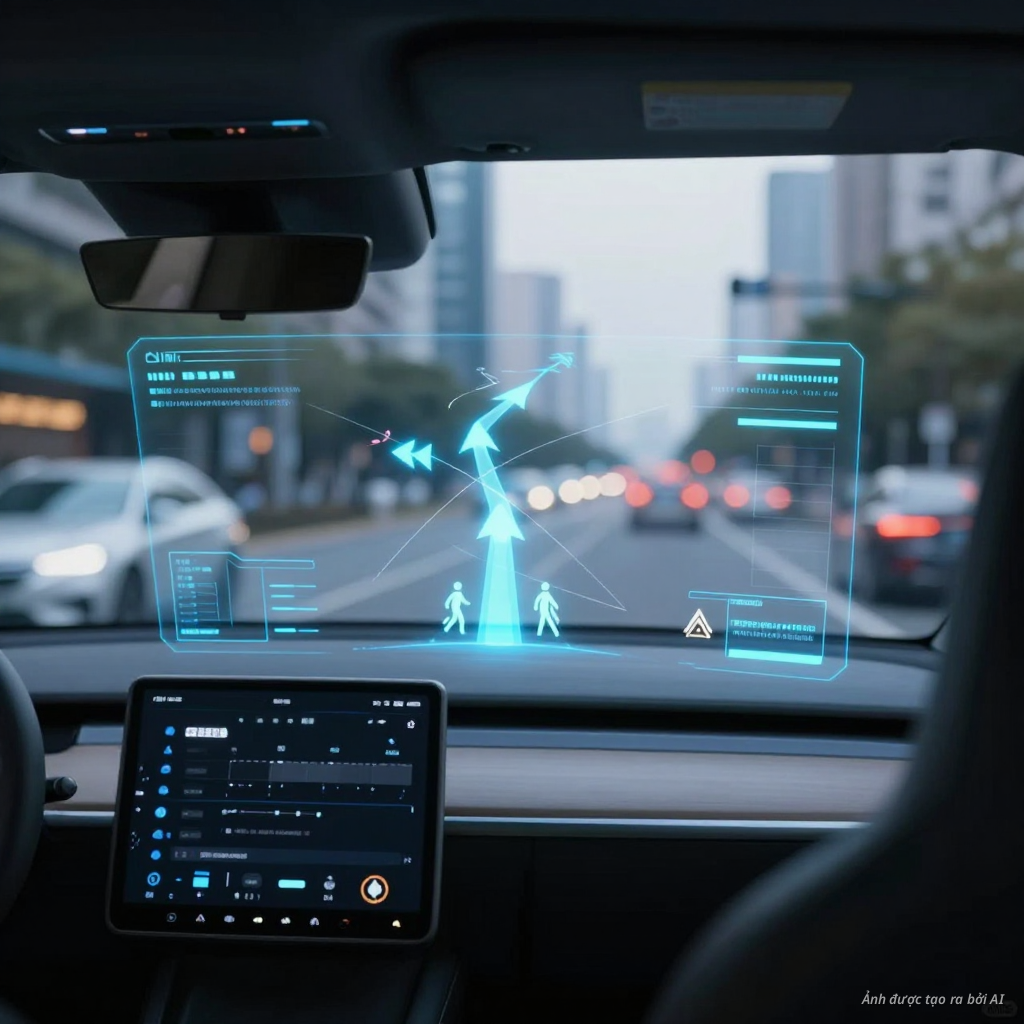
Augmented reality heads-up displays (AR-HUD) represent the next frontier in driver awareness. These systems project 3D graphic elements directly onto the windshield’s focal plane. Drivers can see navigation paths and pedestrian alerts overlaid onto the real road [4].
By aligning digital data with real-world optics, AR-HUDs significantly reduce cognitive load. This automotive display market innovation helps keep the driver’s eyes on the road. It is a vital step toward safer, more intuitive driving experiences in complex urban environments [5].
Multimodal feedback and haptics
Touchscreens are ubiquitous, but they often lack the tactile satisfaction of physical buttons. To solve this, developers are integrating multimodal feedback and haptics into display surfaces. Using piezoelectric actuators, screens can now provide localized physical vibrations [1].
These dynamic tactile sensations allow drivers to interact with systems without needing to look away from the road. This combination of visual and tactile cues is essential for maintaining safety in modern, screen-heavy cockpits [2].
Technical challenges for developers
Developing for the automotive environment is significantly more difficult than designing for consumer electronics. Displays must operate flawlessly in extreme temperatures ranging from -40°C to +85°C [3]. Furthermore, they must withstand constant vibration and maintain performance over a 10-year lifecycle.
Sunlight readability is another major hurdle. Manufacturers must apply specialized anti-reflective and anti-glare coatings to ensure clarity. Additionally, functional safety standards like ISO 26262 dictate that critical driving information must remain visible even if the infotainment system crashes [4].
The future of smart glass
Beyond the dashboard, display technology is moving into smart glass and transparent windows. Future vehicles may use side windows or sunroofs to display battery status or welcome messages. This integration turns the entire vehicle surface into an interactive interface [5].
As we look forward, the personalizing your windshield head-up display for a better drive movement will likely gain momentum. This trend emphasizes that the future of UI is not just about more screens, but about smarter, more contextual information delivery.
More Information
- AR-HUD: An augmented reality heads-up display that projects dynamic driving cues directly onto the windshield, overlaying graphics onto the real-world environment to reduce driver distraction.
- Pillar-to-pillar display: A continuous, single-glass dashboard interface that stretches from the driver’s side to the passenger’s side, integrating multiple screens into one seamless unit.
- Mini-LED backlighting: A display technology that uses thousands of tiny LEDs to provide localized dimming, offering high contrast and peak brightness suitable for harsh automotive lighting conditions.
- P-OLED: Plastic OLED technology that uses flexible substrates instead of glass, allowing for curved, ergonomic dashboard designs that are also more resistant to impact and crash damage.
- Functional safety: A set of standards, such as ISO 26262, ensuring that critical vehicle systems like speedometers and warning lights operate reliably even during software failures or system crashes.