
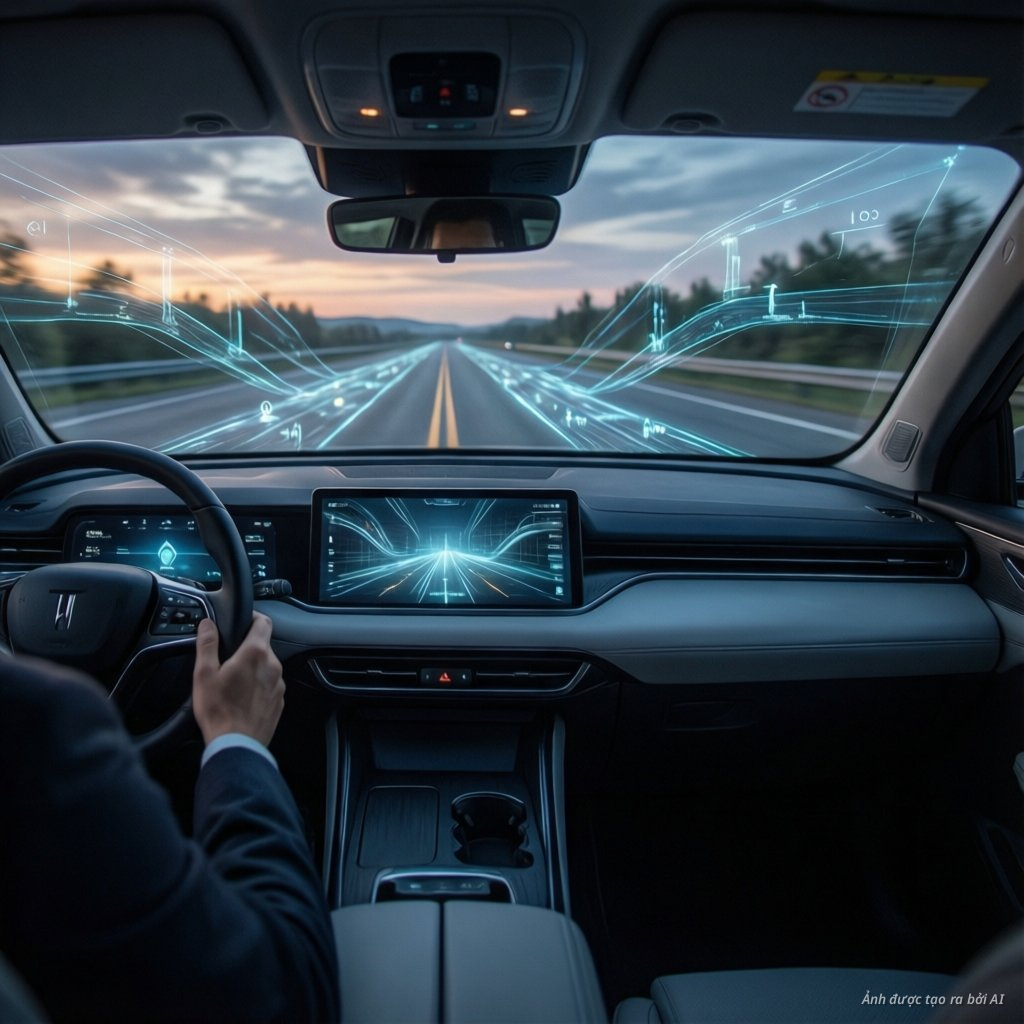
The automotive industry is undergoing a profound transformation driven by safety-critical technology. AI-based collision warning systems are at the forefront of this evolution, shifting from luxury add-ons to standard requirements for modern fleets and passenger vehicles.
These systems utilize sophisticated computer vision and deep learning to interpret road environments in real time. By analyzing complex data, they provide drivers with life-saving alerts, significantly reducing the risk of human error on the road [5].
Understanding the core technology
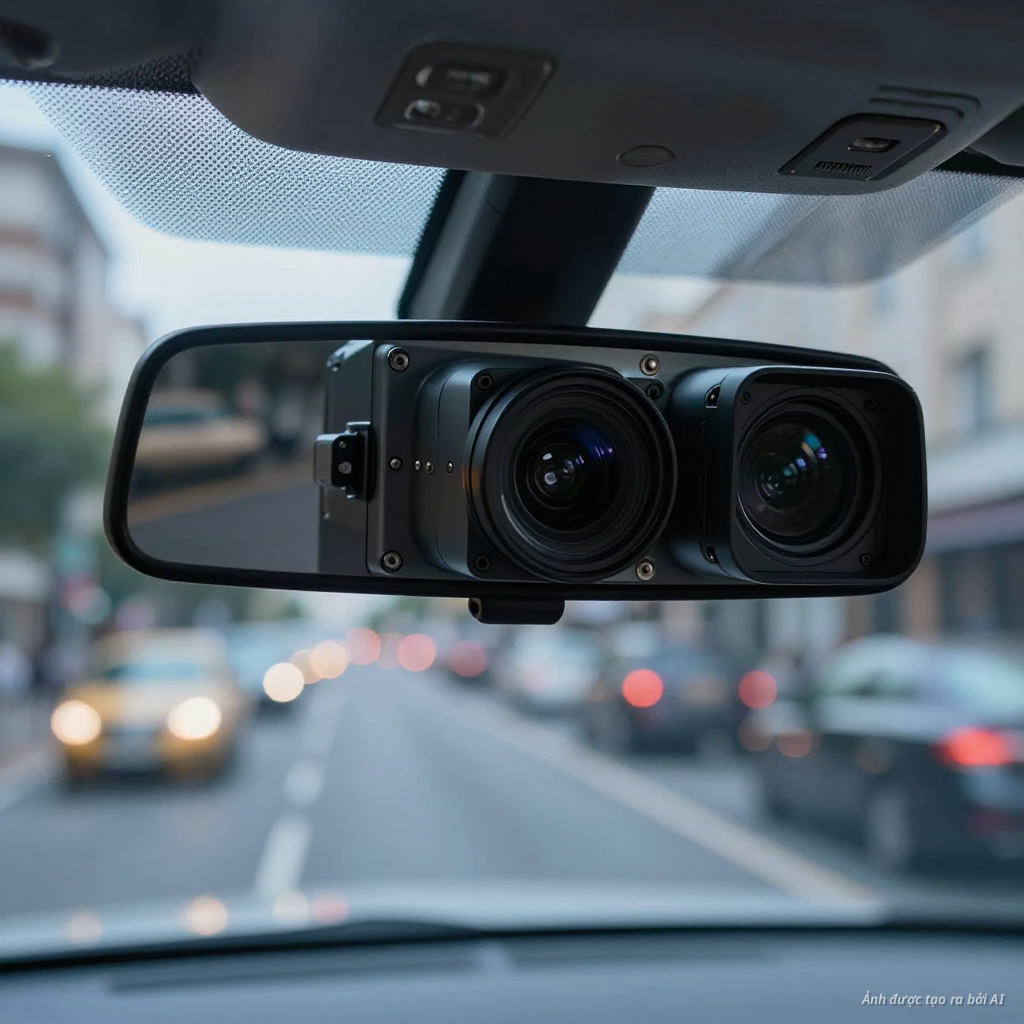
Unlike traditional radar-based systems that rely on simple distance measurements, AI-based solutions offer contextual awareness. They process visual data from cameras to distinguish between dynamic objects like cyclists and static infrastructure like guardrails.
Manufacturers are increasingly turning to Mobileye [2] for vision-based chips that enable real-time image processing. This technology calculates the time-to-collision with high precision, allowing for proactive rather than reactive safety measures.
Key functions of modern safety systems
Modern AI-driven platforms integrate multiple safety functions into a single, cohesive unit. These features work in harmony to protect drivers and vulnerable road users alike.
- Forward collision warning: monitors the road ahead to prevent rear-end impacts.
- Pedestrian and cyclist detection: identifies vulnerable users in blind zones.
- Lane departure warning: alerts drivers when they drift without signaling.
- Headway monitoring: tracks tailgating behavior to maintain safe following distances.
By leveraging Netradyne [3] edge computing, these systems analyze 100% of driving time. This constant vigilance ensures that every potential risk is identified and addressed before it escalates into a collision.
Impact on commercial fleet operations
For fleet managers, the adoption of AI-based collision warning systems is a strategic necessity. These tools do more than just improve safety; they provide measurable operational benefits.
Companies utilizing Motive [4] technology report drastic reductions in severe accidents. Furthermore, these systems help lower insurance premiums and minimize vehicle downtime, which directly improves the bottom line.
Integrating how advanced driver assistance systems enhance road safety is no longer optional for competitive manufacturers. Fleet operators now demand data-driven insights to coach drivers and refine safety policies across their entire organization.
The role of multi-sensor fusion
The most advanced systems rely on sensor fusion to achieve high reliability. By combining cameras, radar, and LiDAR, the AI can operate effectively in diverse weather conditions.
This redundancy is critical for safety. While cameras excel at object classification, radar provides superior distance measurement in fog or heavy rain. Samsara [1] exemplifies this approach by combining dual-facing cameras with cloud-based analytics to provide a comprehensive view of fleet safety.
Manufacturers should prioritize systems that offer this multi-layered approach. It ensures that the collision warning system remains accurate, regardless of environmental challenges or lighting conditions.
Reducing false positives
A common challenge for early warning systems was the prevalence of false alerts. These “nuisance alarms” often led to driver fatigue and, eventually, system deactivation.
Modern deep learning algorithms have solved this by training on millions of miles of real-world driving data. These systems now distinguish between actual hazards and benign road features with remarkable accuracy. This reliability builds trust between the driver and the vehicle technology.
Future trends in automotive safety
The future of collision warning lies in the integration of driver monitoring systems. By tracking eye movement and head position, the AI can detect drowsiness or distraction before a potential collision occurs.
This holistic approach to safety is becoming the industry standard. As manufacturers look to the future, they should explore smart AI predictive maintenance for modern vehicles to ensure these safety systems remain in peak operating condition throughout the vehicle’s lifecycle.
Conclusion for manufacturers
AI-based collision warning systems are transforming the automotive landscape. For manufacturers, investing in these technologies is essential to meet global safety mandates and satisfy the growing demand for smarter, safer vehicles.
By focusing on high-performance edge processing and multi-sensor fusion, companies can deliver products that protect lives while reducing operational costs. The transition toward AI-centric safety is inevitable, and early adopters will define the next generation of automotive excellence.
More Information
- Samsara: A provider of connected operations cloud solutions that utilize AI-powered dash cams to monitor road conditions and driver behavior, helping fleets improve safety and operational efficiency.
- Mobileye: An Intel company specializing in vision-based ADAS and autonomous driving technologies, providing the chips and software necessary for real-time collision avoidance and object detection.
- Netradyne: A company focused on deep-learning edge computing for commercial fleets, offering high-definition camera systems that analyze driving patterns to provide proactive safety alerts.
- Motive: A fleet management technology provider that offers AI-driven dash cams and safety software designed to detect near-misses and unsafe driving behaviors in real time.
- NHTSA: The National Highway Traffic Safety Administration, a US government agency that sets safety standards and provides regulatory guidelines for the implementation of driver assistance technologies.