
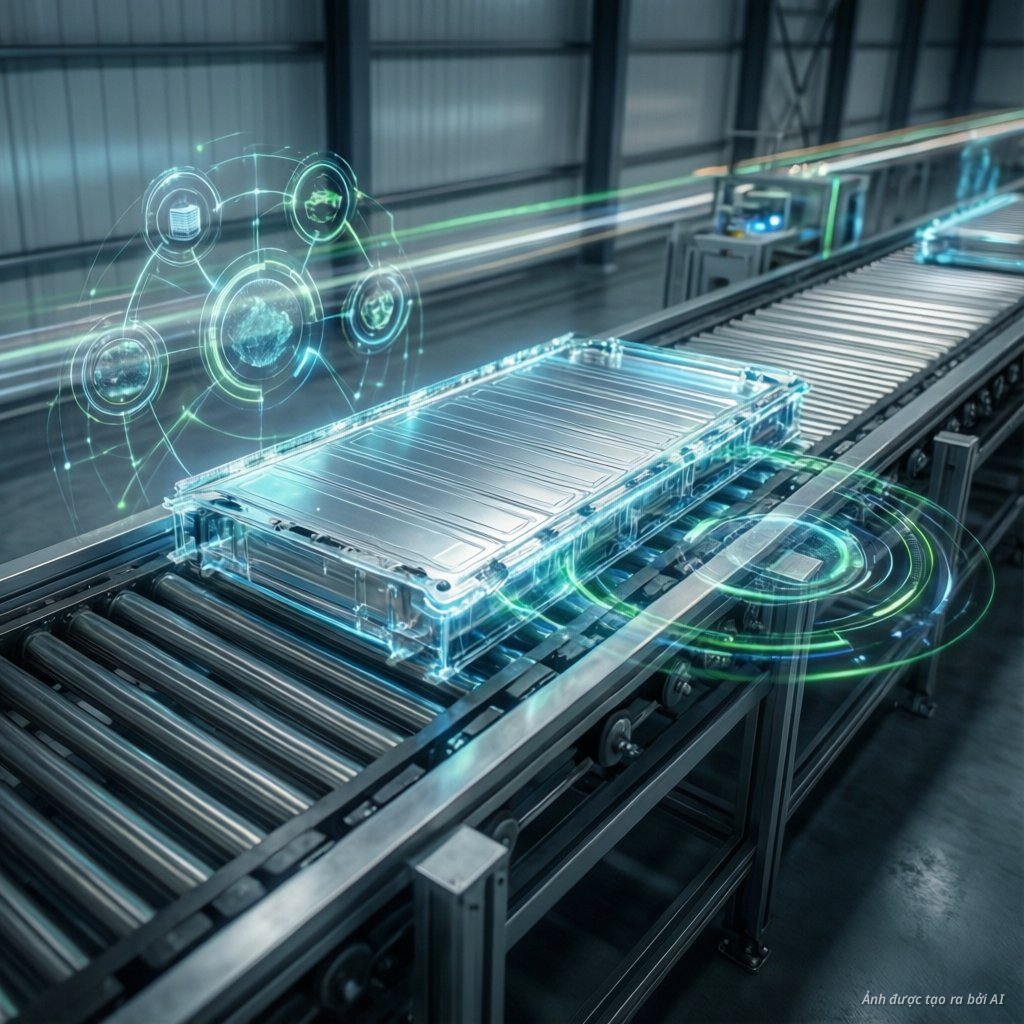
The global transition to electric mobility relies heavily on battery technology. As the number of electric vehicles (EVs) on the road grows, so does the urgency to manage their end-of-life impact [2]. Battery manufacturers and researchers are now shifting their focus toward design for recycling (DfR).
This approach prioritizes circularity from the initial concept phase. By integrating disassembly and material recovery into the engineering process, the industry can transform batteries from waste into valuable “urban mines” [3]. Companies that adopt these principles will likely lead the future of sustainable energy.
The shift toward circular battery architecture
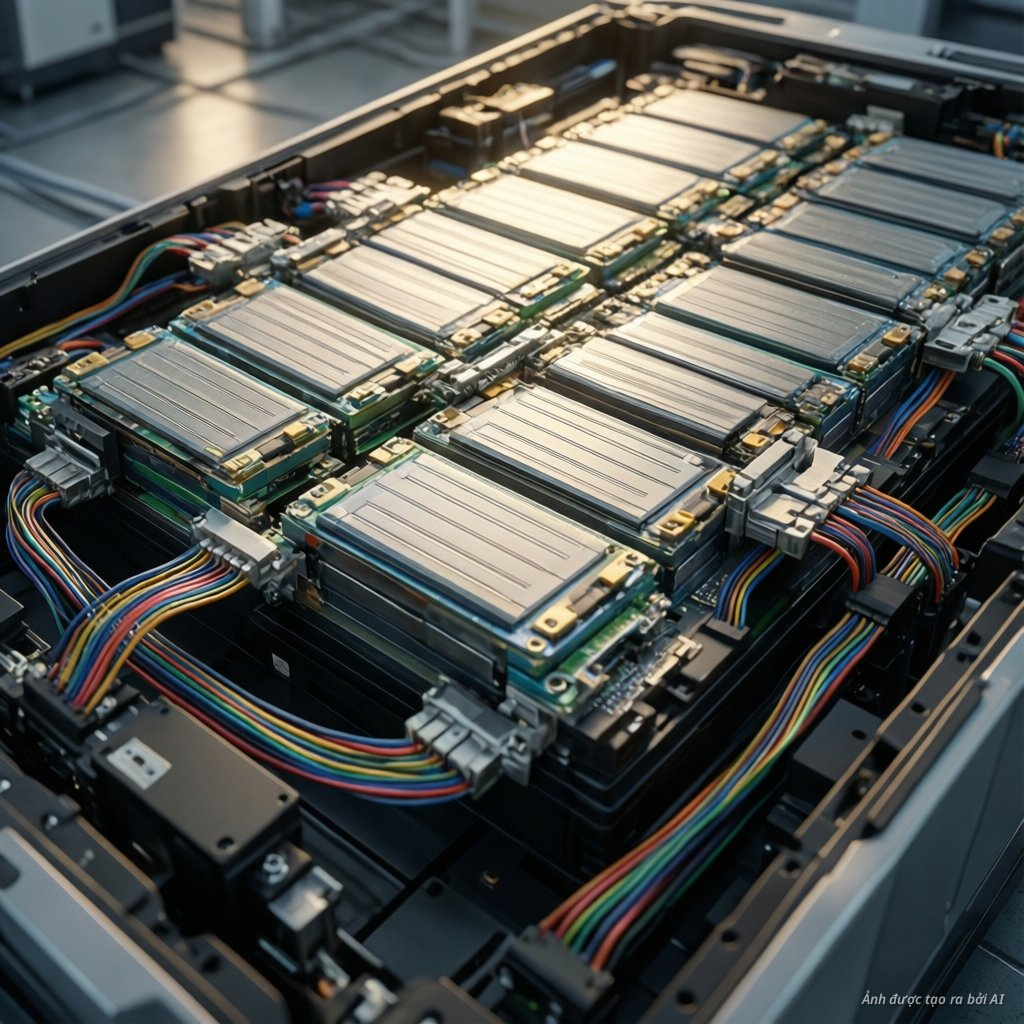
Early EV battery designs focused primarily on energy density and cost reduction. Manufacturers often used strong structural glues and integrated cell-to-pack (CTP) architectures that made physical disassembly nearly impossible without damaging the cells [4]. This created significant barriers to efficient recycling.
Modern engineering now seeks a balance between structural efficiency and circularity. Designers are moving away from permanent potting compounds toward reversible adhesives and mechanical fastening systems. These innovations allow for rapid, non-destructive disassembly, which is crucial for sustainable electric vehicle design through lightweight materials and disassembly.
Engineering innovations for material recovery
One of the most significant challenges in battery recycling is the separation of materials. Traditional binders, such as polyvinylidene fluoride (PVDF), are difficult to remove without toxic processes. Researchers are now developing water-soluble and bio-based binders that facilitate cleaner, more efficient material recovery [4].
Standardization of battery form factors also plays a vital role. By aligning on prismatic or cylindrical cell dimensions, manufacturers enable automated sorting at scale. This standardization reduces the complexity and cost of recycling operations significantly [3].
Regulatory drivers and the battery passport
Global regulatory frameworks are accelerating the adoption of DfR. The European Union has set strict standards through its new battery regulation, which mandates minimum recycled content for new batteries [1]. These targets ensure that manufacturers prioritize the use of recovered materials in their supply chains.
Furthermore, the upcoming EU battery passport will require detailed information on material composition and carbon footprint for every industrial and EV battery [1]. This initiative promotes transparency and accountability across the entire lifecycle. You can learn more about European recycling policies to better understand these compliance requirements.
Economic and environmental benefits
Designing for high recyclability offers clear economic advantages. By reducing the reliance on primary mining, manufacturers can mitigate the risks associated with critical mineral supply constraints [3]. Additionally, efficient recycling processes significantly lower the carbon footprint of battery production.
Direct cathode-to-cathode recycling is a promising area of research. By designing cathode active materials to withstand mechanical separation, we can regenerate them without energy-intensive smelting [4]. This approach aligns with broader goals for the circular electric vehicle battery supply chain, from initial mining to final recycling.
Collaborative efforts for a circular future
The transition to circular battery design requires collaboration across the value chain. OEMs, cell manufacturers, and recycling firms must work together to establish best practices. Initiatives like the Global Battery Alliance are already driving consensus on circularity metrics and sustainable design principles [2].
Companies that invest in these partnerships will gain a competitive edge. By integrating advanced recycling technologies early in the development cycle, they ensure long-term viability in a resource-constrained market [4]. The shift toward design for recycling is not just an environmental imperative; it is a strategic business necessity.
More Information
- Battery passport: A digital record that tracks the lifecycle, material composition, and carbon footprint of an EV battery, mandated by the EU to ensure transparency and promote circularity.
- Design for recycling (DfR): An engineering philosophy that focuses on creating products that are easily disassembled and sorted at the end of their life to maximize material recovery.
- Urban mining: The process of reclaiming raw materials, such as lithium, cobalt, and nickel, from end-of-life products like EV batteries rather than extracting them from natural resources.
- Direct recycling: A recycling method that recovers and regenerates cathode materials without breaking them down into their constituent elements, saving significant energy and reducing chemical waste.
- Cell-to-pack (CTP): A battery architecture that integrates cells directly into the battery pack, eliminating modules to increase energy density but requiring new approaches for easy disassembly.