
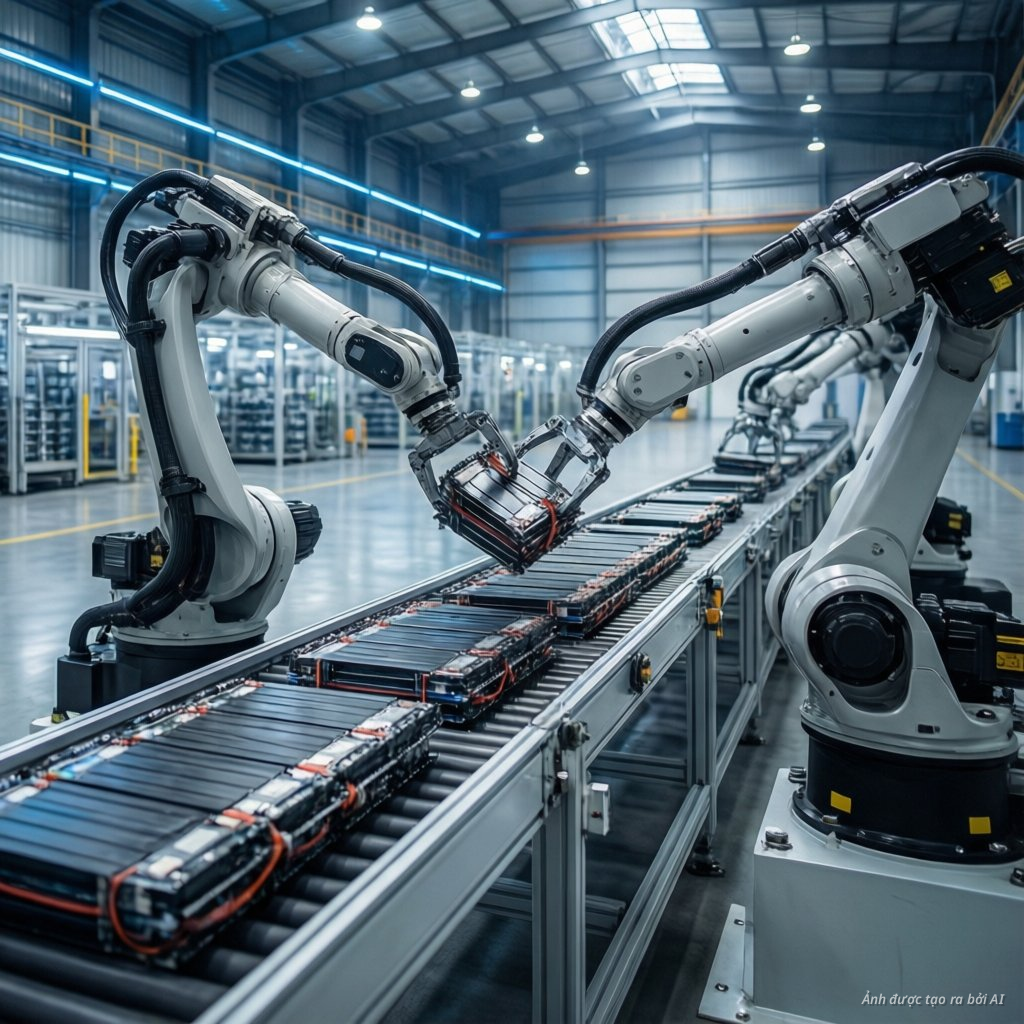
The rapid transition to electric mobility has triggered an unprecedented surge in battery production. As the first generation of electric vehicle (EV) batteries approaches its end-of-life, the logistics and waste management sectors face a critical challenge. Establishing an efficient collection system is essential to recover valuable materials and prevent environmental hazards.
Effective management of spent batteries requires a sophisticated approach to reverse logistics. By integrating battery recycling strategies, companies can turn a waste management hurdle into a significant economic opportunity [1].

The role of regulatory frameworks
Regulatory mandates act as the backbone for a functional collection ecosystem. Extended Producer Responsibility (EPR) policies shift the burden of collection and recycling costs to vehicle manufacturers [2]. These frameworks ensure that batteries do not enter informal waste streams.
The European Union has set a high bar with its comprehensive battery regulation. It mandates specific material recovery thresholds for lithium, cobalt, and nickel [2]. Furthermore, the introduction of digital battery passports will provide transparency regarding the history and health of every unit. This traceability is vital for global standardization of electric vehicle battery recycling processes.
Reverse logistics and safety protocols
Transporting used EV batteries presents unique safety risks. These components are classified as Class 9 dangerous goods due to their potential for thermal runaway. Consequently, logistics providers must utilize UN-certified, fire-resistant packaging during transit [3].
A hub-and-spoke model offers the most efficient solution for large-scale collection. Local spokes, such as dealerships and scrap yards, perform initial diagnostic checks. These smaller sites then consolidate batteries for shipment to centralized hubs. This global EV outlook highlights the necessity of regional infrastructure to minimize transport costs [3].
Diagnostic testing and decision trees
Not every spent battery requires immediate recycling. Advanced diagnostic tools, such as Electrochemical Impedance Spectroscopy, can determine the state of health (SoH) of a battery in minutes. This data informs the decision-making process for the battery’s future [4].
If a battery retains 70% to 80% of its capacity, it is an ideal candidate for second-life applications. These batteries are often repurposed for stationary energy storage systems. For those below this threshold, direct recycling is the only viable path to recover critical minerals [4].
Industry collaboration and closed-loop models
The most successful collection systems rely on deep partnerships between OEMs and recycling firms. Closed-loop models ensure that recovered materials return directly to the battery supply chain. This reduces reliance on virgin mining and lowers the overall carbon footprint of EV production [5].
In the United States, policy incentives like the Inflation Reduction Act encourage domestic recycling efforts. These policies push manufacturers to collaborate with recyclers to secure local sources of lithium and cobalt [4]. Such collaborations are essential for developing the market for recycled materials in electric vehicles.
Overcoming logistical challenges
High transport costs remain a significant barrier to efficient collection. Shipping heavy, unstable battery packs can account for nearly half of the total recycling cost. To combat this, industry leaders are investing in automated disassembly technologies at collection hubs [1].
Another challenge is the lack of design standardization. Different chemistries and cell-to-pack technologies make automated processing difficult. As the industry matures, design-for-recycling principles will become standard. This will simplify the disassembly process and improve recovery yields [5].
Future outlook for battery collection
The market for battery recycling is projected to reach $95 billion by 2040 [1]. As volumes of retired batteries rise, the efficiency of collection systems will determine the profitability of the entire sector. Companies that invest in robust reverse logistics today will lead the market tomorrow.
Governments and private enterprises must continue to align on safety and traceability standards. By fostering innovation in diagnostic testing and material recovery, the industry can create a truly circular economy. This approach not only protects the environment but also secures the critical minerals needed for the future of transportation [3].
More information
- Battery passport: A digital record that tracks the lifecycle, chemistry, and state of health of an EV battery, ensuring transparency and compliance throughout the recycling process.
- Extended producer responsibility (EPR): A policy approach where manufacturers are held financially and physically responsible for the treatment or disposal of their products at the end of their life.
- Reverse logistics: The process of moving goods from their typical final destination for the purpose of capturing value, proper disposal, or recycling.
- State of health (SoH): A measurement that reflects the condition of a battery compared to its ideal conditions, used to determine if a battery is suitable for second-life reuse.
- Black mass: A powdery substance produced by shredding and processing used lithium-ion batteries, containing high concentrations of valuable metals like nickel, cobalt, and lithium.