
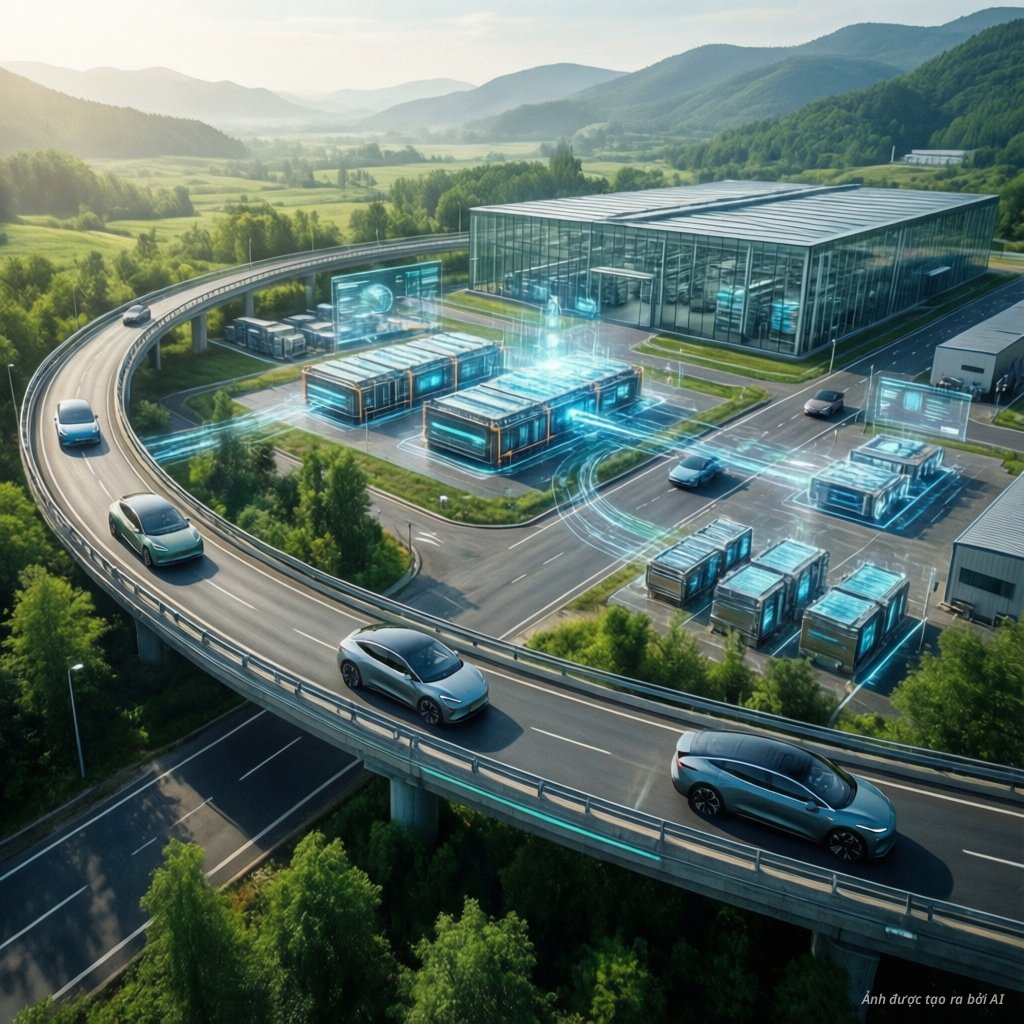
The global transition to electric vehicles (EVs) creates an urgent need for sustainable supply chains. Investors and material manufacturers now recognize that the future of automotive production relies heavily on circular economy principles. By integrating recycled materials into EV manufacturing, companies can reduce their carbon footprint while securing critical resources [2].
Recycling is no longer just a waste management strategy for the automotive sector. It has become a strategic pillar for long-term growth and supply chain resilience. As demand for EVs accelerates, the role of critical minerals in clean energy transitions highlights the necessity of recovering lithium, cobalt, and nickel from end-of-life batteries [3].

The critical role of battery mineral recovery
Battery recycling focuses primarily on extracting high-value elements from spent cells. The process typically begins by creating “black mass,” an intermediate powder containing concentrated lithium, nickel, cobalt, and manganese [2]. Advanced chemical processes then refine these materials into battery-grade components.
Hydrometallurgy is currently the preferred method for high-purity recovery. This process uses chemical solvents to achieve recovery rates exceeding 95% for vital minerals [2]. While pyrometallurgy remains a mature industrial option, it is often more energy-intensive and less effective at recovering lithium [3]. Companies investing in efficient and safe lithium-ion battery recycling technologies are positioning themselves at the forefront of this energy transition.
Structural and interior material circularity
Beyond batteries, the EV market is driving innovation in structural materials. Recycled aluminum is a prime example of this trend. It allows manufacturers to reduce vehicle weight, which directly improves battery range and performance [4]. Furthermore, using secondary aluminum can lower embodied carbon by up to 95% compared to primary production.
Automotive interiors are also undergoing a transformation. Manufacturers are increasingly adopting post-consumer resins and recycled plastics for dashboards, wire insulation, and underbody shields. This shift supports the World Economic Forum’s circular cars initiative, which promotes systemic changes in how vehicles are designed and produced [4].
Regulatory frameworks and market drivers
Global regulations are acting as a powerful catalyst for the recycled materials market. The European Union has established clear mandates for recycled content in new batteries [1]. By 2031, batteries sold in the EU must contain at least 16% recycled cobalt, 6% lithium, and 6% nickel [1].
In the United States, the Inflation Reduction Act (IRA) provides significant financial incentives for domestic recycling. By supporting the recovery of critical minerals within North America, the policy helps manufacturers qualify for important tax credits [3]. These regulatory frameworks provide the stability that investors need to commit capital to large-scale recycling infrastructure.
Strategic challenges for investors
Despite the growth potential, the industry faces significant bottlenecks. Feedstock scarcity is a major concern in the short term, as most EVs currently on the road have not yet reached their end-of-life stage. Most recycled material today comes from manufacturing scrap rather than spent vehicle batteries [2].
Logistics and safety also present hurdles for businesses. Transporting damaged or old battery packs requires strict adherence to hazardous goods regulations. Additionally, the rapid evolution of battery chemistries, such as the shift toward lithium iron phosphate (LFP), changes the economic value of recycling streams [3]. Investors should prioritize circular economy for ev batteries: strategies for recycling and reuse to mitigate these risks effectively.
The future of the circular EV supply chain
The market for recycled materials is entering a phase of rapid maturation. Digital battery passports will soon become mandatory, ensuring full traceability of materials from extraction to recycling [1]. This transparency will be essential for proving ESG compliance and attracting sustainable investment.
Businesses that invest in advanced recovery technologies today will likely dominate the market tomorrow. By closing the loop on critical materials, the automotive industry can decouple its growth from raw material volatility. This transition is not merely an environmental goal; it is a fundamental requirement for the future of global mobility.
More Information
- EU Battery Regulation: A comprehensive legislative framework that sets mandatory targets for recycled content and material recovery rates for batteries sold within the European market to promote sustainability [1].
- Black mass: The intermediate powder resulting from the mechanical shredding of battery cells, which contains high concentrations of valuable metals like lithium, nickel, and cobalt [2].
- Hydrometallurgy: A chemical recovery process that uses aqueous solutions to extract and purify specific metals from battery waste, known for its high efficiency and purity levels [3].
- Circular economy: An economic model designed to minimize waste and maximize the reuse of materials, which is increasingly applied to the automotive supply chain for long-term sustainability [4].
- Digital battery passport: A digital record that tracks the lifecycle, carbon footprint, and material composition of an EV battery to ensure compliance with global recycling and sustainability standards [1].