
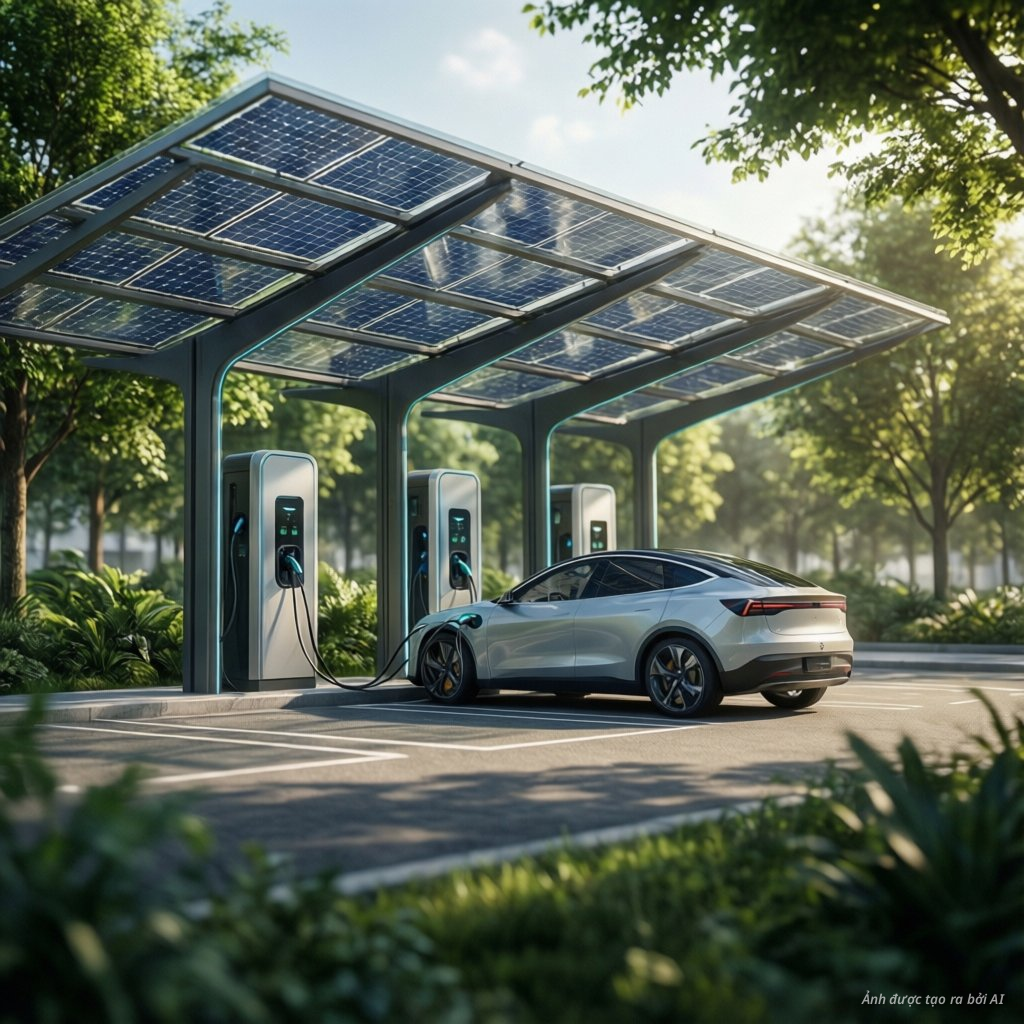
The global transition toward electric vehicles (EVs) is essential for decarbonizing road transport. However, this shift introduces complex environmental challenges regarding battery raw materials and end-of-life management. To ensure sustainability, we must embrace circular economy principles [3]. Education and public awareness serve as the foundation for this critical industrial evolution.
A circular economy moves away from the traditional “take-make-dispose” model. Instead, it prioritizes reducing, reusing, remanufacturing, and recycling resources. By integrating these practices, the Circular Cars Initiative aims to create a carbon-neutral mobility system [1]. Education is the bridge that connects these high-level goals with daily industrial operations.
Designing for circularity
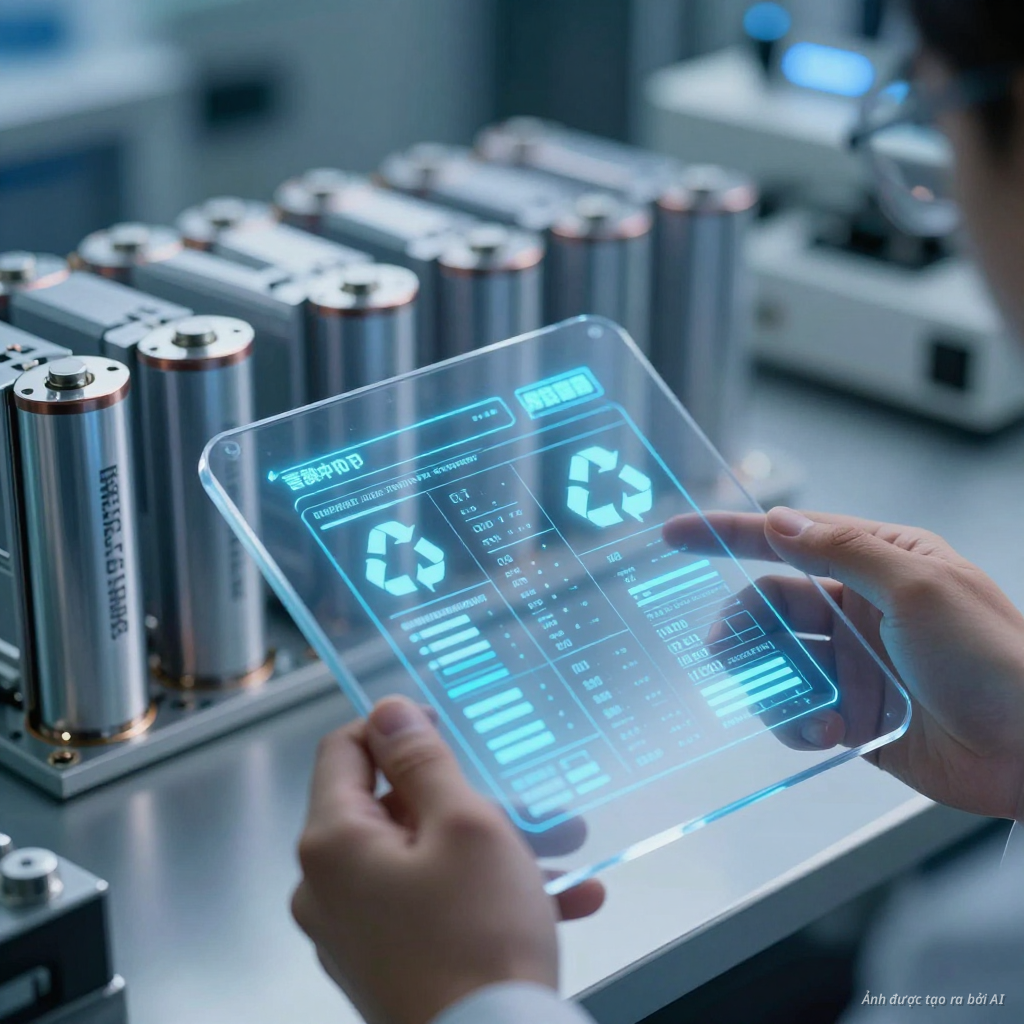
Modern engineering must shift toward design-for-disassembly. Current battery packs often use structural adhesives that improve energy density but hinder repairability. Educational programs for automotive engineers now emphasize modularity and lifecycle assessment [4]. By training designers to consider the end-of-life phase, we ensure that valuable materials remain in the loop longer.
This approach requires a fundamental change in how we view vehicle manufacturing. Sustainable electric vehicle design through lightweight materials and disassembly is no longer optional. It is a core requirement for future-proofing the automotive supply chain. Engineers must learn to balance performance with the ease of material recovery.
The second-life potential
EV batteries retain significant capacity even after they are no longer suitable for driving. When a battery drops to 70% or 80% health, it still offers immense value for stationary energy storage [4]. These units can help stabilize power grids or store energy from renewable sources like wind and solar.
Awareness remains a significant hurdle for this market. Many stakeholders lack clarity on battery health diagnostics and long-term warranties. By providing standardized data, we can build trust among commercial buyers. Learning more about second-life electric vehicle batteries for energy storage systems helps businesses unlock new revenue streams while reducing waste.
Closed-loop recycling and material recovery
Advanced recycling technologies are transforming how we recover critical metals. Methods like hydrometallurgy allow for high recovery rates of lithium, cobalt, and nickel [2]. These processes consume less energy than traditional smelting. Education in chemical hazard management is vital for the technicians operating these facilities.
The industry must also scale direct recycling processes. This involves preserving the cathode crystal structure to minimize chemical inputs. As we scale, our workforce needs specialized training in high-voltage safety and material science. This ensures that the transition to electric mobility does not create new environmental liabilities.
Digital tools for transparency
Transparency is the backbone of a circular economy. The European Union has introduced the digital battery passport to track material origin and health [2]. This tool provides a QR code for every battery, detailing its carbon footprint and recycled content. It acts as an educational resource for consumers, recyclers, and policymakers alike.
These regulations set binding targets for recycled content in new batteries. By 2031, manufacturers must incorporate specific percentages of recovered cobalt and lithium [2]. Such mandates force the industry to prioritize circular supply chains. They also encourage transparency across the entire EU rules on batteries and waste batteries framework.
Workforce development and upskilling
The transition to electric vehicles demands a new set of skills. Mechanics trained on internal combustion engines require certification for high-voltage battery handling [3]. OEMs are responding by launching dedicated circular economy hubs. These facilities serve as training grounds for the next generation of automotive technicians.
Academic institutions are also stepping up. Partnerships between universities and battery recyclers are creating specialized curricula in energy storage engineering [4]. This collaboration ensures that the talent pipeline matches the pace of technological innovation. A skilled workforce is the most valuable asset in the circular economy.
Addressing consumer perceptions
Public education is essential to dispel myths about EV waste. Many consumers worry that batteries will end up in landfills. We must communicate that modern recycling facilities can recover over 90% of critical metals [4]. Transparency regarding total cost of ownership and sustainability helps consumers make informed choices.
When buyers understand the lifecycle of their vehicle, they value longevity and repairability. This shift in consumer behavior drives demand for circular business models. By fostering this awareness, we create a market that rewards sustainability. Education empowers individuals to become active participants in the green transition.
Global standards and collaboration
Global cooperation is necessary to harmonize circularity metrics. Initiatives like the Global Battery Alliance bring together leaders to establish sustainable standards [3]. These partnerships focus on human rights and environmental footprint reduction. By aligning on definitions and goals, we accelerate the adoption of circular practices worldwide.
Extended producer responsibility laws are also gaining momentum. These policies mandate that manufacturers take responsibility for the collection and treatment of end-of-life batteries [2]. Such regulations provide the legal framework for a truly circular industry. Through collective action, we can ensure that the electric vehicle revolution is both clean and sustainable.
More Information
- Circular economy: An economic system aimed at eliminating waste and the continual use of resources. It focuses on reusing, repairing, and recycling materials to keep them in the value chain for as long as possible [1].
- Digital battery passport: A digital record that provides information about a battery’s composition, origin, and state of health. It is a mandatory tool in the EU to ensure transparency and facilitate recycling [2].
- Hydrometallurgy: A technique for recovering metals from ores or battery waste using aqueous solutions. It is considered more energy-efficient than traditional smelting methods for battery recycling [3].
- Second-life battery: An EV battery that has reached the end of its automotive life but still retains significant capacity. These batteries are repurposed for stationary energy storage applications [4].
- Design-for-disassembly: An engineering approach where products are designed to be easily taken apart. This facilitates the repair, reuse, and recycling of individual components and materials [3].