
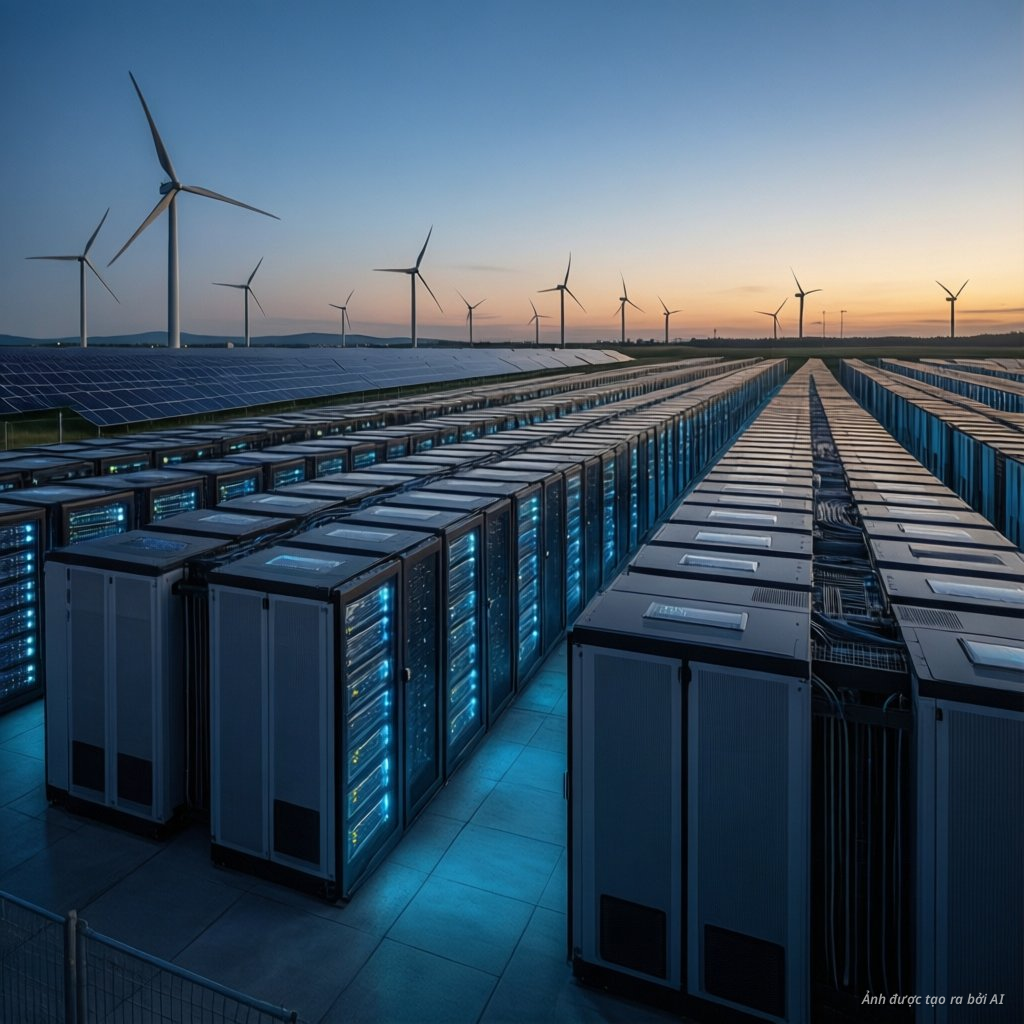
The global transition toward renewable energy creates an urgent demand for efficient storage solutions. As electric vehicle (EV) adoption accelerates, a massive wave of retired battery packs is emerging. These units, while no longer suitable for the high-power demands of driving, often retain 70% to 80% of their original capacity [1]. Repurposing these assets for stationary storage offers a sustainable pathway for energy developers.
By integrating second-life batteries into the grid, companies can unlock significant value while supporting decarbonization goals. This approach effectively extends the useful life of lithium-ion technology by five to ten years before final recycling [3]. It represents a critical circular economy for ev batteries strategy that reduces the immediate need for raw material extraction.
The economic case for second-life storage
For project developers, the primary driver for adopting second-life systems is cost efficiency. Second-life battery systems can offer 30% to 50% lower initial capital costs (CapEx) compared to new lithium-ion stationary storage installations [1]. This price advantage makes large-scale storage projects more viable in emerging markets.
Furthermore, the second-life battery market is growing rapidly. Projections suggest that available capacity could exceed 200 GWh per year globally by 2030 [1]. Developers who secure early supply chains will likely gain a competitive edge in the energy sector.
Key applications for grid stability
Second-life batteries serve diverse roles within modern energy infrastructure. Their ability to buffer intermittent renewable power generation makes them ideal for solar and wind farm integration [4]. By storing excess energy during peak generation, these systems ensure a consistent power supply during low-output periods.
Other vital applications include:
- Grid frequency and voltage regulation to maintain stability.
- Peak shaving to reduce electricity bills for commercial and industrial facilities.
- Buffering EV fast-charging stations to prevent grid infrastructure strain.
- Providing reliable backup power for microgrids and telecom towers.
These applications demonstrate the versatility of repurposed cells in secure energy transitions worldwide [2]. By utilizing existing hardware, developers can deploy localized solutions faster than building new grid connections.
Technical challenges and safety considerations
Despite the benefits, developers must navigate specific technical hurdles. Battery packs from different manufacturers vary significantly in chemistry, form factor, and degradation rates [3]. This heterogeneity complicates the process of creating modular, scalable energy storage systems.
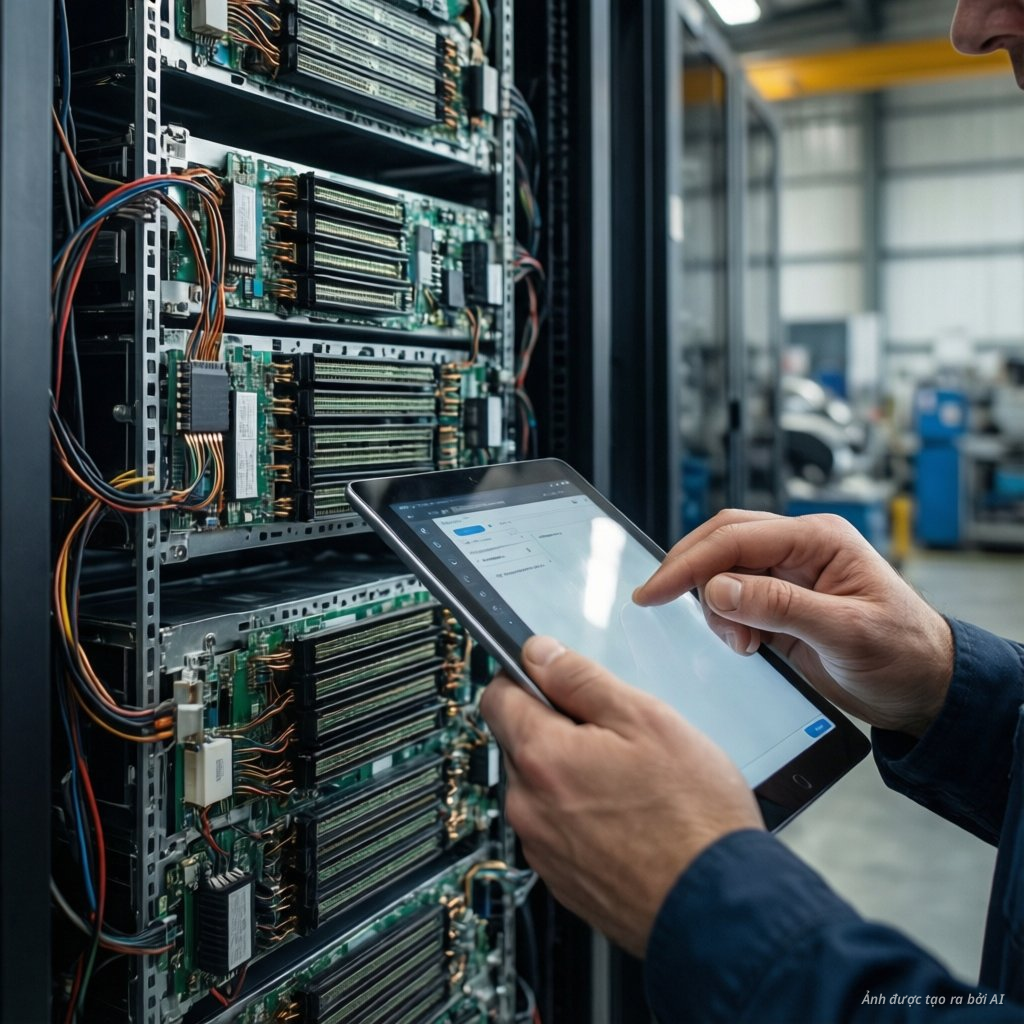
Accurate state of health (SoH) assessment is also paramount. Developers require non-destructive testing to verify the remaining useful life of every pack before deployment [3]. Advanced battery management systems (BMS) are essential to ensure thermal safety and operational longevity throughout the second-life phase [4].
Regulatory compliance remains a critical factor for project success. International standards, such as UL 1974, provide the necessary framework for evaluating and repurposing battery systems [3]. Adhering to these standards ensures that second-life deployments meet the same safety benchmarks as new installations.
Leading the way in circular energy
Industry pioneers are already proving the feasibility of second-life storage. Projects like the xStorage initiative by Nissan and Eaton have demonstrated success in commercial settings [1]. Similarly, B2U Storage Solutions operates utility-scale projects that connect retired packs directly to the grid [2].
These initiatives highlight the importance of optimizing the electric vehicle lifecycle. As the renewable energy sector expands, the synergy between automotive and energy industries will become increasingly important. Developers who embrace these circular models contribute to a more sustainable and resilient global grid [5].
Future outlook for energy developers
The competition from new lithium iron phosphate (LFP) batteries is a factor to watch. While new battery costs are declining, the sustainability benefits of second-life batteries remain unmatched [2]. Developers should focus on the total life-cycle carbon footprint when evaluating project feasibility.
By deferring energy-intensive recycling processes, companies can lower their environmental impact [1]. This aligns with global ESG goals and attracts investors who prioritize sustainable infrastructure. The future of energy storage lies in the smart, efficient reuse of existing technology.
More Information
- Second-life battery (SLB): An electric vehicle battery that has reached the end of its automotive life (typically 70-80% capacity remaining) and is repurposed for stationary energy storage applications.
- State of health (SoH): A measurement that reflects the current condition of a battery compared to its original state, crucial for determining if a pack is suitable for second-life use.
- Battery management system (BMS): Electronic hardware and software that monitors the performance, safety, and health of battery cells to ensure optimal operation during charging and discharging.
- Peak shaving: An energy management strategy that uses stored energy to reduce electricity consumption during periods of high demand, helping users avoid peak-time utility tariffs.
- Circular economy: An economic system aimed at eliminating waste and the continual use of resources by reusing, repairing, and recycling existing materials and products.