
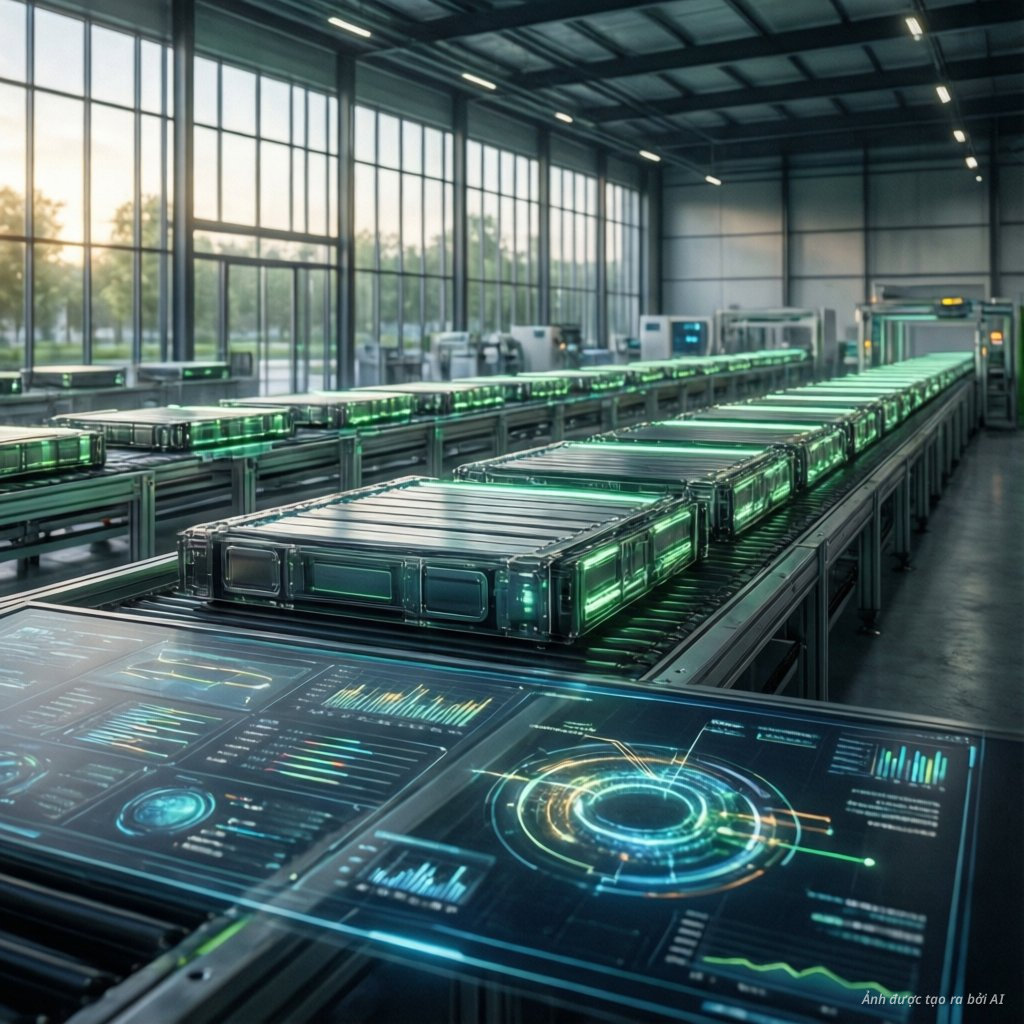
The global transition toward electric mobility is accelerating at an unprecedented pace. As millions of vehicles hit the road, the industry faces a critical challenge: managing the lifecycle of lithium-ion batteries. A circular economy model offers a sustainable solution to this challenge [2].
By shifting from a linear “take-make-dispose” model to a circular framework, manufacturers can preserve the value of battery materials. This strategy relies on three core pillars: reducing waste, repurposing batteries for second-life applications, and recycling critical minerals [1].
The urgency of the circular transition
Electric vehicle production demands vast quantities of lithium, cobalt, nickel, and graphite. These raw materials are finite and often subject to geopolitical supply chain risks. Implementing a circular economy helps manufacturers mitigate these vulnerabilities [1].
Furthermore, the environmental benefits are significant. Recycled materials can reduce the carbon footprint of battery production by 30% to 50% compared to using virgin ores. This battery recycling market growth is expected to reach $95 billion annually by 2040 [1].
Second-life applications: extending battery utility
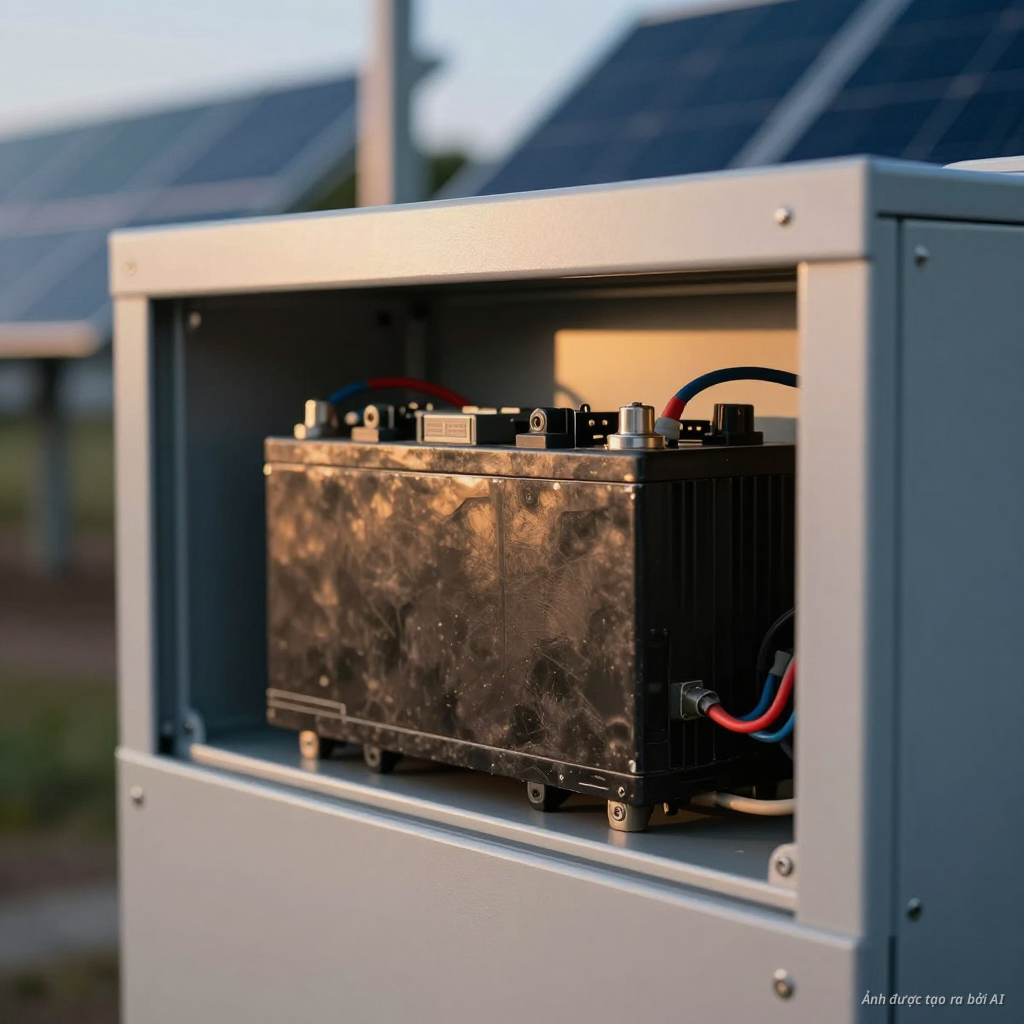
An electric vehicle battery typically reaches the end of its automotive life when its capacity drops to 70% or 80%. However, these units still hold substantial energy storage potential. Repurposing them for stationary energy storage systems (BESS) is a vital strategy [2].
These batteries can support renewable energy grids by storing solar or wind power for peak usage. They also provide reliable backup power for telecom towers and industrial microgrids. This energy storage integration is key to grid stability.
End-of-life recycling pathways
Once a battery is no longer fit for second-life use, it enters the recycling stream. Several technologies currently dominate the landscape. Pyrometallurgy, or smelting, has been the traditional method for recovering metals like cobalt and nickel [1].
However, hydrometallurgy is gaining traction due to its higher efficiency. It uses chemical leaching to recover high-purity lithium and other salts at lower temperatures. This process achieves recovery rates exceeding 90% for key materials [1].
Emerging technologies for sustainability
Direct recycling is an emerging field that shows immense promise. Instead of breaking down materials into elemental forms, it reconditions cathode active materials directly. This preserves the crystal lattice structure, significantly lowering greenhouse gas emissions [4].
The ReCell Center is at the forefront of this innovation. These advancements ensure that the industry can maintain high performance while minimizing environmental impact [4].
Regulatory frameworks and the digital passport
Governments are now mandating circularity through strict regulations. The European Union has introduced the Battery Regulation, which requires minimum levels of recycled content in new batteries [3].
A central component of this regulation is the digital battery passport. This tool tracks the lifecycle, carbon footprint, and material origin of every battery. It ensures transparency across the entire supply chain [3].
In the United States, the Inflation Reduction Act also influences the market. It ties tax credits to the sourcing of critical minerals from North America or free-trade partners. These policies force manufacturers to prioritize local, sustainable supply chains [2].
Technical and economic hurdles
Despite the progress, the industry faces several challenges. “Black mass,” the crushed powder from recycled batteries, lacks standardized global trading classifications. This creates logistical and regulatory hurdles for international transport [1].
Additionally, the shift toward lithium iron phosphate (LFP) chemistries complicates the economics of recycling. Because LFP batteries contain fewer high-value metals, recyclers must rely on regulatory mandates to remain profitable [1].
Finally, “design for recycling” is a major focus area. Current battery packs often use heavy structural adhesives that make automated disassembly difficult. Future designs must prioritize modularity to lower costs and improve recovery efficiency [4].
Conclusion
The transition to a circular economy is no longer optional for the electric vehicle industry. It is a strategic necessity for resource security and environmental stewardship. By investing in second-life applications and advanced recycling technologies, manufacturers can build a resilient future [2].
Collaboration between policymakers, recyclers, and automakers remains essential. Through shared data and standardized processes, the industry can turn the challenge of battery waste into a sustainable competitive advantage [3].
More Information
- Black mass: A mixture of crushed battery materials containing nickel, cobalt, lithium, and manganese. It is the primary input for hydrometallurgical recycling processes and requires standardized classification for global trade.
- Circular economy: An economic system aimed at eliminating waste and the continual use of resources. It focuses on closing the loop through reuse, repair, refurbishment, and recycling of battery components.
- Digital battery passport: A digital record that tracks the lifecycle, sustainability, and origin of an electric vehicle battery. It provides transparency for regulators, consumers, and supply chain stakeholders.
- Direct recycling: A sustainable recycling method that reconditions cathode active materials without breaking them down into base elements. It preserves the crystal structure and reduces energy consumption.
- Second-life battery: An electric vehicle battery that has reached the end of its automotive life but retains sufficient capacity for stationary energy storage applications, such as grid stabilization or backup power.