
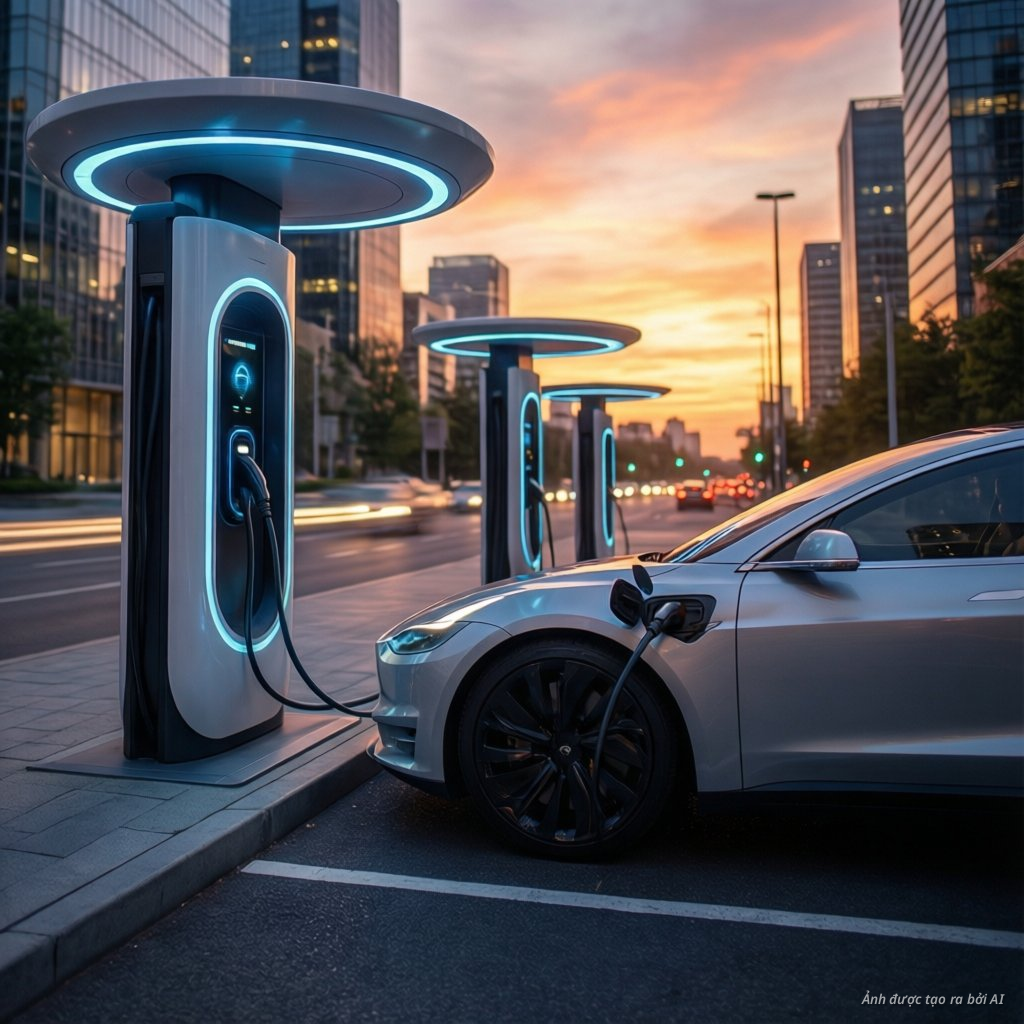
The global transition toward sustainable transportation relies heavily on the efficiency of charging infrastructure. As electric vehicle (EV) adoption accelerates, the need for robust software solutions becomes paramount. Smart charging management software serves as the central nervous system for these operations. It bridges the gap between power grids, charging hardware, and the end-user experience [1].
For both EV owners and service providers, these digital platforms offer unprecedented control. They optimize energy consumption, reduce operational costs, and ensure grid stability. By leveraging real-time data, stakeholders can make informed decisions that extend battery life and improve service reliability [2].
The role of smart software in modern charging
Smart charging management software does more than just initiate a power transfer. It acts as an intelligent layer that communicates with vehicles and utility companies. This connectivity allows for dynamic load balancing, which prevents the grid from overloading during peak demand hours [3].
For service providers, this means higher uptime and lower maintenance costs. The software can predict hardware failures before they occur, allowing for proactive repairs. Furthermore, it enables automated billing and payment processing, which simplifies the user journey significantly.
Benefits for electric vehicle owners
EV owners benefit from a seamless and stress-free charging experience. Modern software solutions provide accurate, real-time information about charger availability and pricing. This eliminates range anxiety and helps drivers plan their routes effectively [4].
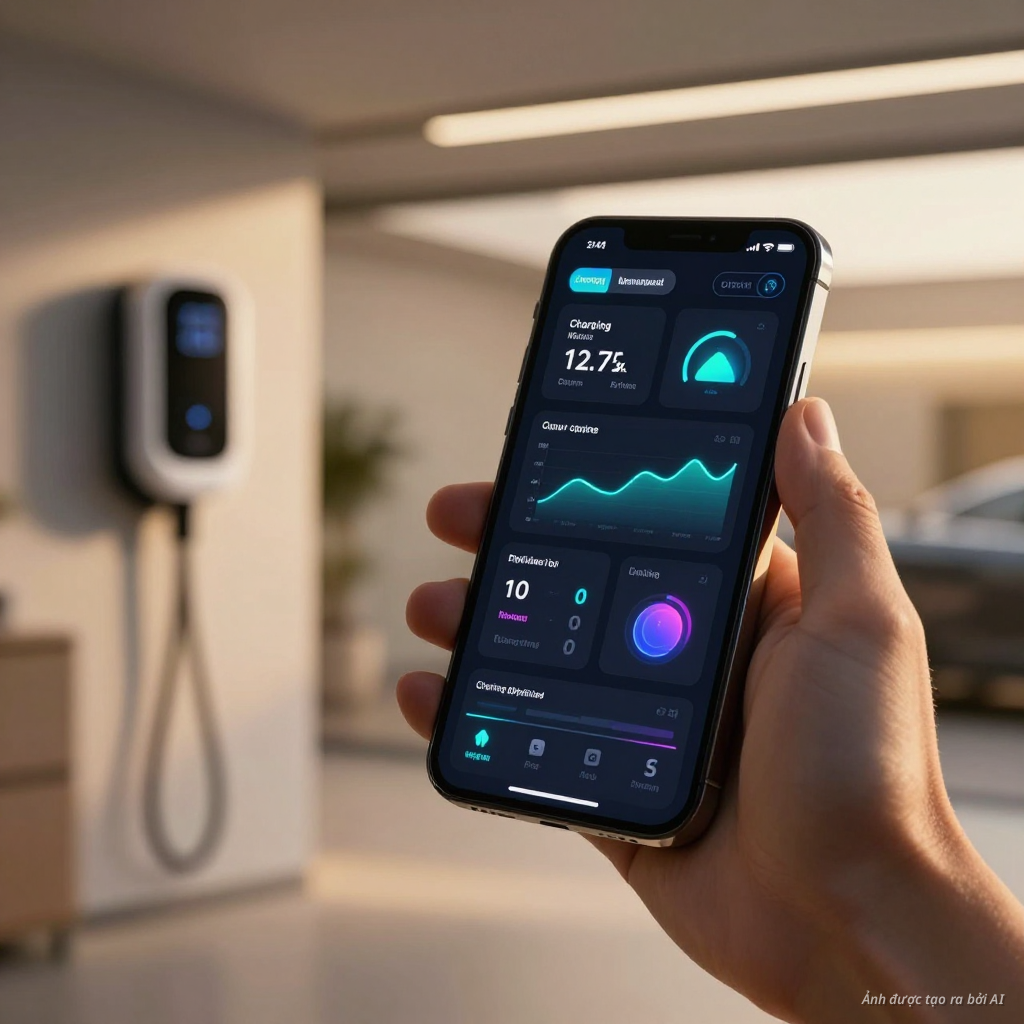
Additionally, smart apps allow users to schedule charging sessions during off-peak hours. This practice takes advantage of lower electricity rates, which saves money over time. Users can also monitor their charging progress remotely via their smartphones.
Empowering service providers with data
Charging point operators (CPOs) face the challenge of managing diverse hardware ecosystems. Smart software provides a unified platform to monitor all chargers from a single dashboard. This centralization is critical for scaling operations across multiple locations [5].
Data analytics play a vital role in business growth. Providers can identify high-traffic areas and optimize their infrastructure investment accordingly. By analyzing usage patterns, they can tailor their services to meet local demand more accurately.
Integrating smart home technology
The synergy between home energy systems and EVs is growing rapidly. Smart software allows for integrating smart home technology into the automotive ecosystem. This integration ensures that the vehicle charges only when home energy production is high or electricity costs are at their lowest.
Such systems create a more sustainable household. They turn the EV into a mobile battery that supports the home during power outages. This bidirectional energy flow represents the future of energy management.
Optimizing the user experience
User-centric design is essential for the widespread adoption of EVs. Software must be intuitive, fast, and reliable. Complex registration processes or buggy interfaces discourage potential customers from using public charging networks.
Successful platforms prioritize clear communication. They provide instant notifications regarding charging status and potential delays. A positive user experience fosters brand loyalty and encourages repeat usage of specific charging networks.
The importance of cybersecurity
As charging networks become more connected, they become targets for cyber threats. Robust management software must incorporate advanced security protocols to protect user data and grid integrity. Encryption and secure authentication are non-negotiable features in modern development.
Providers must ensure that their software complies with international security standards. Regular updates are necessary to patch vulnerabilities and defend against evolving digital risks. Trust is the foundation of the electric mobility revolution.
Future trends in charging management
The industry is moving toward autonomous and predictive systems. Artificial intelligence will soon manage charging schedules based on individual driving habits and traffic conditions. This proactive approach will maximize efficiency and minimize downtime for all users.
Additionally, the rise of energy management software for hybrid vehicles will further complicate and enrich the charging landscape. Software will need to handle diverse battery types and charging speeds with ease. Flexibility remains the key to long-term success in this sector.
Conclusion
Smart charging management software is the backbone of the electric vehicle transition. It provides the necessary tools for owners to save money and for providers to operate efficiently. As technology continues to evolve, these platforms will become even more integrated into our daily lives.
Investing in high-quality software is essential for any player in the EV market. By prioritizing data, security, and user experience, we can build a sustainable and reliable future for transportation. The road ahead is electric, and smart software will lead the way.
More Information
- Smart charging: A system that optimizes the charging process of electric vehicles by adjusting the power flow based on grid capacity, electricity pricing, and user preferences to ensure efficiency.
- Load balancing: The process of distributing electrical loads across multiple charging stations to prevent grid overload and ensure that energy is supplied reliably to all connected vehicles simultaneously.
- Grid integration: The technical coordination between electric vehicle charging infrastructure and the electrical utility grid, enabling bidirectional communication and energy management to support grid stability.
- Range anxiety: The psychological stress or concern felt by electric vehicle drivers regarding the possibility that their vehicle’s battery will run out of power before reaching a charging station.
- Charging point operator (CPO): A business entity responsible for the installation, maintenance, and management of electric vehicle charging stations, often using software to monitor performance and billing.