
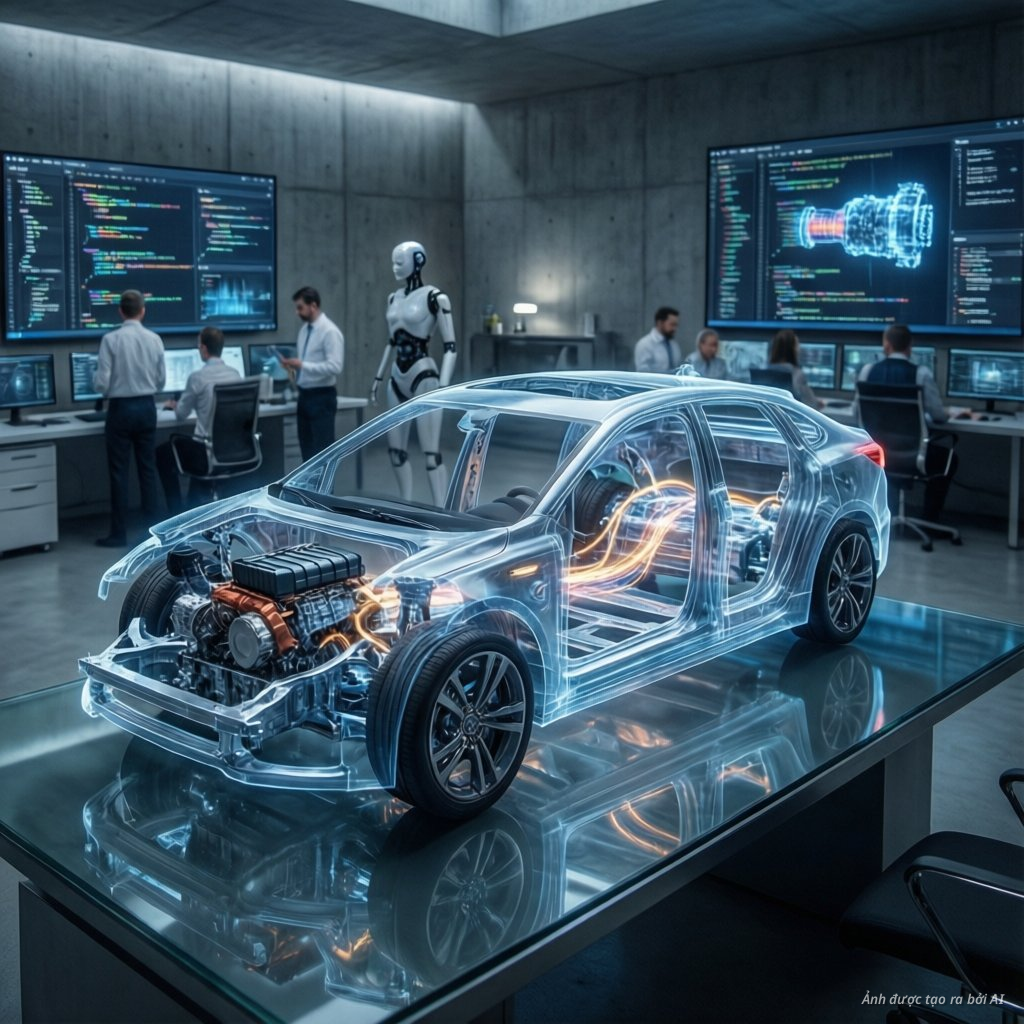
Hybrid electric vehicles rely on sophisticated software to balance power between combustion engines and electric motors. This technology, known as energy management software, serves as the brain of the modern powertrain. It ensures that every drop of fuel and every watt of battery power is used efficiently. [1]
For vehicle owners, this means better fuel economy and smoother driving experiences. For developers, it represents a complex challenge involving real-time optimization and safety standards. Understanding how these systems function is essential for anyone involved in the automotive industry. [2]
The core objectives of energy management systems
The primary goal of energy management software is to maximize overall vehicle efficiency. It must decide dynamically when to use electric mode, hybrid mode, or engine-only mode. These decisions happen in milliseconds based on driver input and road conditions. [3]
Beyond fuel economy, the software must protect the battery’s state of charge and health. It also manages regenerative braking to recover kinetic energy during deceleration. Engineers often explore energy management strategy principles to balance these competing requirements effectively.
Control strategies and algorithms
Developers use various strategies to manage power distribution. Rule-based control is the most common approach in production vehicles today. It uses predefined logic trees to determine the best power source for a given speed or power demand. [4]
Optimization-based strategies take this a step further by calculating the most efficient path in real-time. Methods like equivalent consumption minimization strategy allow the system to treat electrical energy as a fuel equivalent. This helps in making better decisions during complex driving cycles. [2]
Predictive and next-generation systems
Modern vehicles are becoming increasingly connected. Predictive energy management integrates GPS and traffic data to forecast road topography. By knowing the route ahead, the system can prepare the battery for upcoming hills or traffic jams. [1]
Artificial intelligence and reinforcement learning are also emerging as powerful tools. These systems learn from driving patterns to optimize power-split control policies continuously. You can learn more about the rise of hybrid vehicles and their role in the 2026 market to see how these trends are shaping the future.
Software standards and development frameworks
Developing this software requires strict adherence to industry standards. AUTOSAR provides a modular architecture that allows different software components to work together seamlessly. This standardization is crucial for modern vehicle development. [3]
Functional safety is another non-negotiable aspect of the design process. Since the software controls torque and high-voltage systems, it must meet high safety integrity levels. Developers use energy management control tools to simulate these environments before deployment. [1]
The role of simulation in development
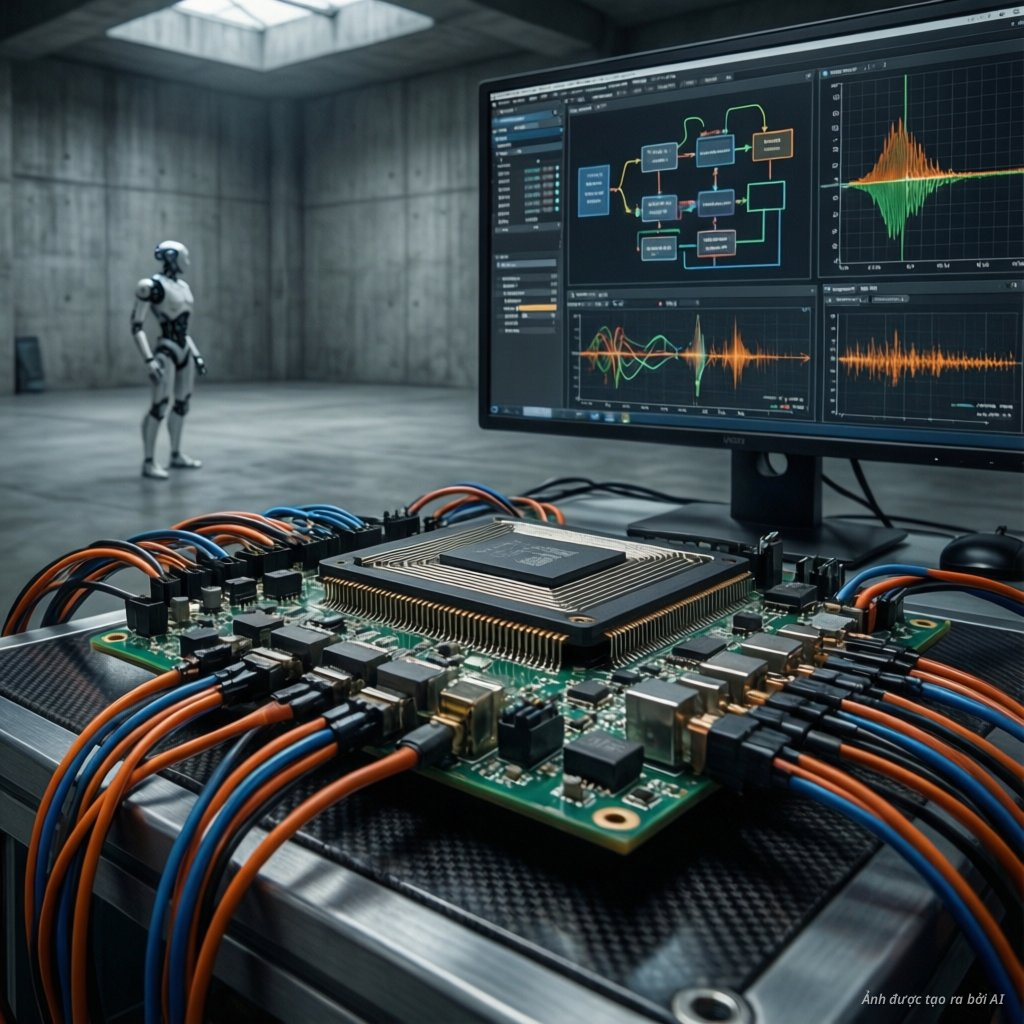
Testing control logic on physical vehicles is expensive and risky. Therefore, engineers rely heavily on model-based design. Software-in-the-loop and hardware-in-the-loop simulations allow for rigorous testing of algorithms. [4]
These virtual environments mimic real-world driving conditions with high precision. They ensure that the software performs reliably under various scenarios. For those interested in the hardware side, electric motor control software for performance optimization is a complementary field of study.
Industry suppliers and market drivers
Global demand for cleaner vehicles is driving innovation in this space. Stringent emission standards like Euro 7 force manufacturers to improve their energy management systems constantly. Leading suppliers provide modular software platforms that OEMs integrate into their vehicles. [4]
Companies like Bosch and Vitesco Technologies are at the forefront of this evolution. They offer sophisticated powertrain domain controller solutions that simplify development for car makers. These platforms enable the transition toward software-defined vehicles. [3]
The integration of cloud-connected fleet management is the next frontier. By analyzing data from thousands of vehicles, developers can push updates to improve efficiency over time. This continuous improvement cycle is transforming the ownership experience. [4]
Ultimately, the synergy between hardware and software defines the success of a hybrid vehicle. As technology advances, we can expect even greater gains in efficiency and performance. Developers and owners alike have much to gain from these ongoing advancements. [1]
More Information
- Energy management system: The core control software in hybrid vehicles that allocates power demand between the internal combustion engine and electric motors to optimize fuel efficiency and emissions.
- State of charge: A measurement representing the current level of charge in an electric battery, which energy management software must monitor and maintain to ensure vehicle longevity and performance.
- AUTOSAR: An open and standardized automotive software architecture that enables modular design and interoperability between different electronic control units and software components in modern vehicles.
- Model-based design: A development methodology using mathematical models to design, simulate, and automatically generate code for complex control systems before implementing them in physical hardware.
- Regenerative braking: A process where the electric motor acts as a generator during deceleration, converting kinetic energy back into electricity to recharge the vehicle battery.