
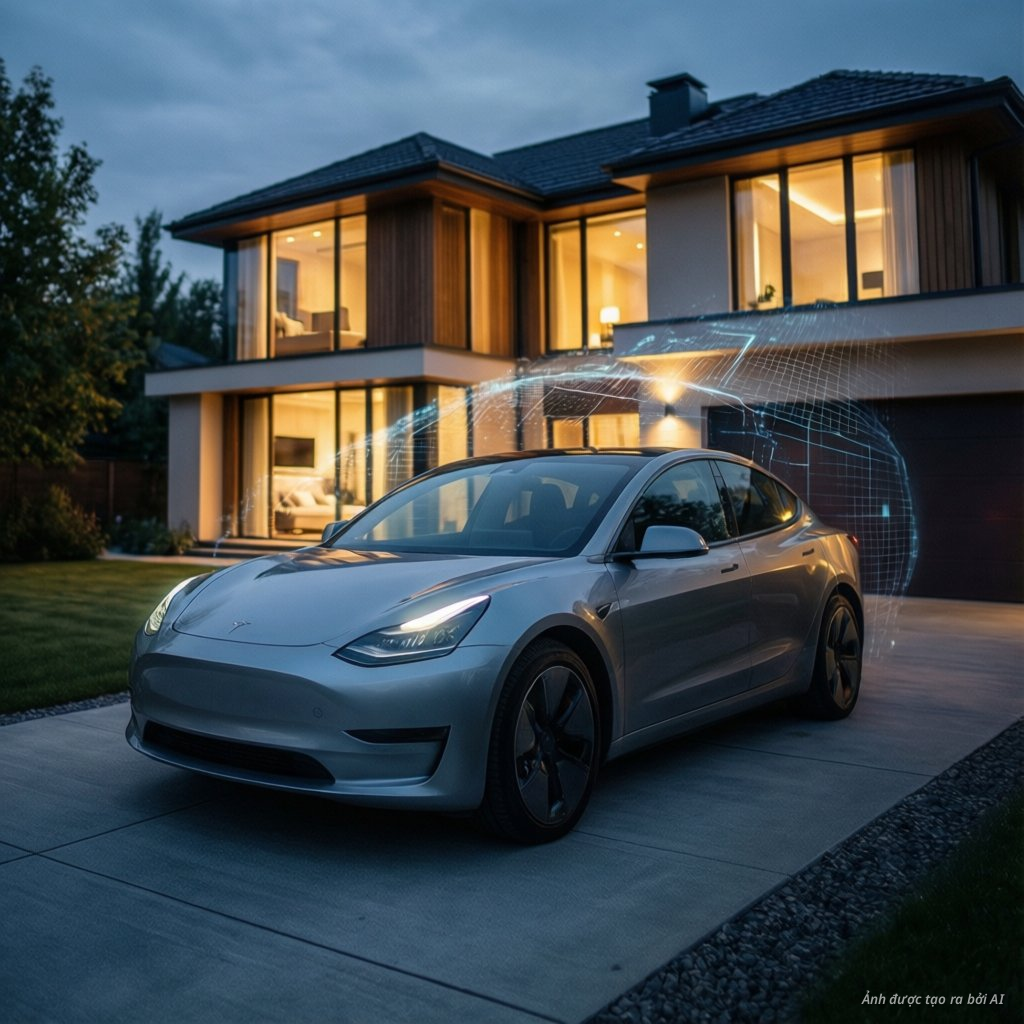
The boundary between our living spaces and our vehicles is rapidly dissolving. Modern technology is transforming both cars and homes into interconnected digital hubs. This convergence, often called the integration of smart home systems into the automotive ecosystem, creates a seamless lifestyle for users [1].
Drivers no longer view their vehicles as isolated transport pods. Instead, cars are becoming extensions of the smart home environment. This shift relies on advanced cloud connectivity and software-defined architectures to bridge the gap [2].
Understanding the two-way connection
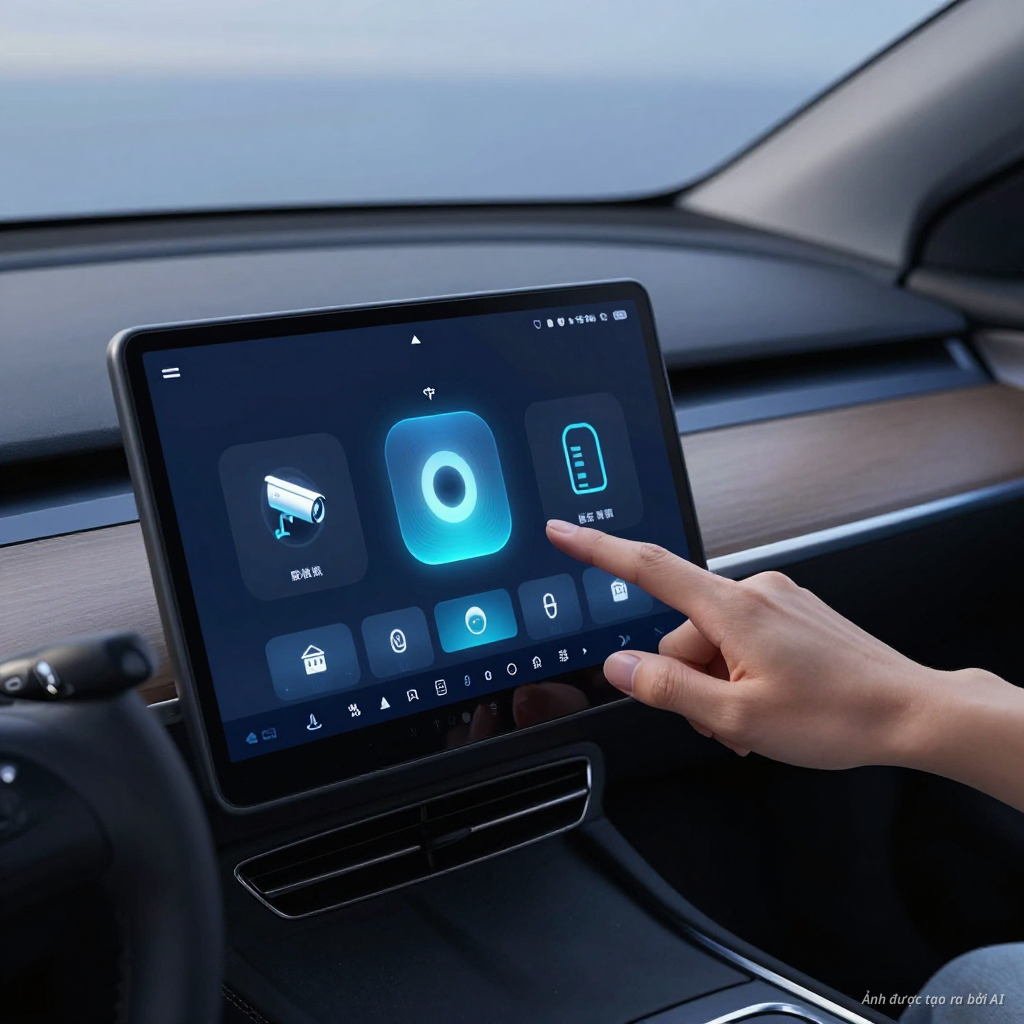
The integration operates through two primary modes: car-to-home and home-to-car. These modes allow data and commands to flow freely between your residence and your vehicle. By using connected car services, users can manage their environment from anywhere.
Car-to-home technology lets drivers control household devices from their dashboard. You can adjust thermostats or check security cameras while driving home. Conversely, home-to-car features allow you to prepare your vehicle before you even step outside. This includes pre-conditioning the cabin climate or checking your electric vehicle’s battery status [1].
Context-aware automation and geofencing
Automation is the cornerstone of a truly smart ecosystem. Geofencing plays a vital role in this process. As your vehicle enters a pre-defined radius around your home, the system triggers specific routines [3].
Imagine arriving home after a long day. Your car signals the house to turn on the porch lights, unlock the front door, and set the temperature to your preferred level. This AI virtual assistant capability ensures your home is ready the moment you pull into the driveway.
Voice-driven control in the cabin
Voice commands provide a safe way to interact with your home while driving. Many modern vehicles now feature native voice engines or integrated assistants like Amazon Alexa. You can simply ask your car to check if the garage door is closed or to lock the smart deadbolt [3].
This hands-free interaction reduces driver distraction significantly. It keeps your focus on the road while maintaining full control over your smart home devices. Manufacturers are prioritizing this Internet of Things integration to improve user safety and convenience.
The role of vehicle-to-home energy management
Electric vehicles are changing how we think about home energy. With bidirectional charging, your car can serve as a mobile battery for your house. This concept, known as V2H, allows you to store energy when it is cheap and use it when demand is high [4].
This synergy helps homeowners save on electricity costs. It also provides a backup power source during unexpected grid outages. Integrating your vehicle into the home energy management system is a smart step toward sustainability [5].
Overcoming technical and security challenges
Connecting two complex ecosystems introduces significant challenges. Cybersecurity is the most pressing concern for developers. Bridging automotive telematics with home networks requires robust encryption to prevent unauthorized access [2].
Latency is another hurdle. For routines to feel natural, commands must execute almost instantly. Reliable cellular connectivity is essential for these cloud-based integrations to function without delay. Furthermore, the industry is working toward universal standards like Matter to reduce fragmentation [4].
The future of the connected lifestyle
The shift toward software-defined vehicles will only accelerate this integration. As cars receive regular over-the-air updates, their ability to control smart home devices will improve. We are moving toward a future where our digital lives are fully synchronized [2].
Companies are already building ecosystems that link smartphones, appliances, and vehicles under one platform. This unified approach makes technology easier to use for everyone. Whether it is checking your home security or optimizing your energy usage, the car is now an essential part of the smart home experience [5].
More Information
- Car-to-home (C2H): A technology mode allowing drivers to monitor and control household IoT devices directly from the vehicle’s infotainment system, steering-wheel controls, or in-car voice assistants while on the road.
- Software-defined vehicle (SDV): A vehicle whose features and functions are primarily enabled through software, allowing for continuous updates and deeper integration with external digital ecosystems and cloud services.
- Geofencing: A location-based service that triggers automated actions when a mobile device or vehicle enters or exits a pre-defined geographic boundary, such as the perimeter of a home or driveway.
- Vehicle-to-home (V2H): A bidirectional power transfer technology where an electric vehicle’s battery acts as an energy storage system, providing power to the home grid during peak hours or outages.
- Matter protocol: An open-source connectivity standard for smart home devices that ensures interoperability between different brands, simplifying the setup and control of integrated home and automotive ecosystems.