
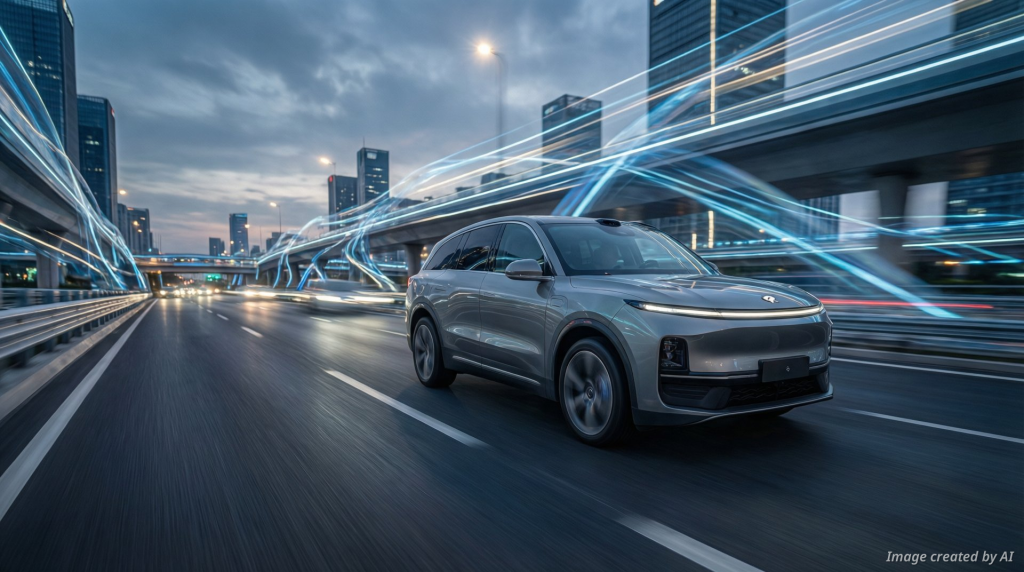
The automotive industry is currently undergoing a massive transformation. Electric vehicles are no longer just about battery range or charging speeds. They are becoming sophisticated, software-defined machines. The VF9 stands at the forefront of this evolution, integrating advanced driver assistance systems (ADAS) to redefine the driving experience. [1]
Safety remains the primary focus for modern vehicle manufacturers. By leveraging complex sensors and real-time data processing, the VF9 aims to provide a secure environment for all passengers. These technologies work silently in the background to prevent accidents before they happen. [2]
The foundation of ADAS in the VF9
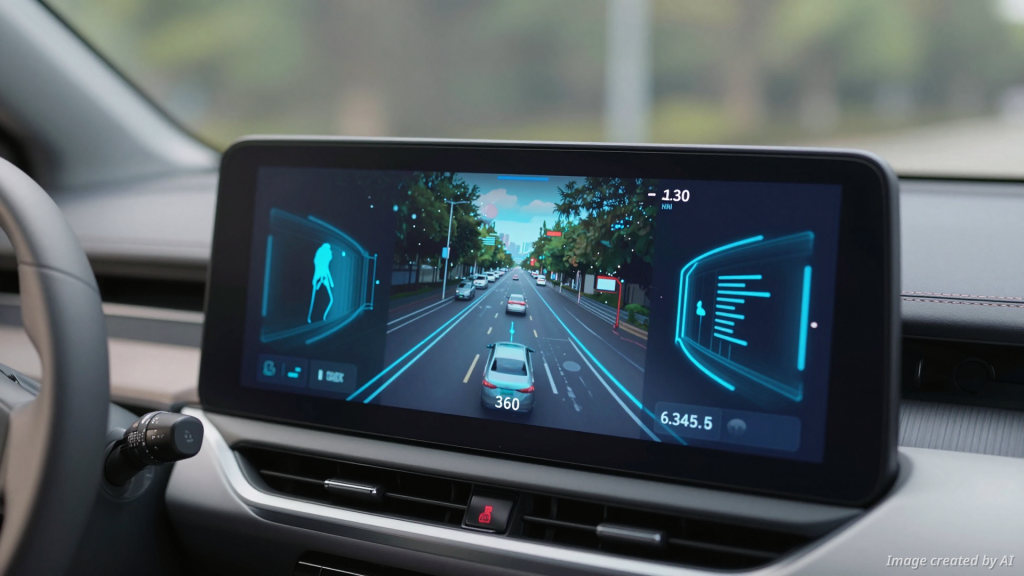
Advanced driver assistance systems are a suite of features designed to support the driver. In the VF9, these systems rely on a combination of cameras, radars, and ultrasonic sensors. This hardware creates a 360-degree view of the vehicle’s surroundings. [3]
The goal is to reduce human error, which accounts for the vast majority of traffic accidents. Through constant monitoring, the car can detect potential hazards that a human might miss. It then alerts the driver or takes corrective action automatically. [4]
Key safety features for the modern driver
The VF9 includes several core functions that make daily commutes safer. These features are designed to handle various traffic conditions, from congested city streets to high-speed highways. [5]
- Adaptive cruise control: this system maintains a safe distance from the vehicle ahead by automatically adjusting speed.
- Lane keeping assist: the vehicle monitors road markings to ensure the car stays centered in its lane.
- Automatic emergency braking: if a collision is imminent, the system applies the brakes to mitigate or avoid impact.
- Blind spot detection: sensors alert the driver to objects in areas that are difficult to see through mirrors.
Moving toward autonomous driving
Autonomous driving is the ultimate goal for many automotive engineers. While the VF9 currently operates with advanced assistance, it is built with a scalable architecture. This allows for future software updates to improve performance over time. [1]
Software-defined vehicles receive “over-the-air” updates to enhance their capabilities. This means your car can become smarter as new algorithms are developed. It keeps the vehicle relevant in a rapidly changing technological landscape. [2]
The role of sensor fusion
Sensor fusion is the process of combining data from multiple sources to create a single, accurate perception of the world. The VF9 uses this technology to distinguish between different types of obstacles. It can tell the difference between a pedestrian, a cyclist, and another vehicle. [3]
Reliability is critical when it comes to autonomous systems. By cross-referencing data, the vehicle ensures that its decisions are based on verified information. This redundancy is a cornerstone of modern automotive engineering. [4]
Enhancing driver confidence
Technology should never replace the driver, but rather empower them. The VF9 uses its ADAS suite to reduce fatigue during long journeys. By handling repetitive tasks, the system allows the driver to remain focused on the road ahead. [5]
Furthermore, the intuitive interface provides clear feedback to the driver. You always know what the vehicle is doing and why. This transparency builds trust between the machine and the operator. [1]
Future-proofing your vehicle
Investing in a vehicle like the VF9 means looking toward the future. The integration of high-performance computing allows the car to process vast amounts of data in milliseconds. This is essential for the complex calculations required for autonomous navigation. [2]
As regulations evolve, the hardware in the VF9 is designed to adapt. This modular approach protects the owner’s investment. It ensures that the vehicle remains at the cutting edge of safety and convenience for years to come. [3]
The importance of ethical AI
Autonomous systems are guided by artificial intelligence, which must make split-second decisions. The developers of the VF9 prioritize safety-first programming. This ensures that the vehicle prioritizes the protection of human life in all scenarios. [4]
Transparency in how these systems function is a priority for the industry. Users should understand the limitations of their vehicle’s technology. Being an informed driver is the best way to utilize these advanced features safely. [5]
Conclusion
The VF9 represents a significant leap forward in automotive technology. By combining robust hardware with intelligent software, it offers a glimpse into the future of transportation. Whether you are navigating busy traffic or cruising on the highway, these systems are designed to make your journey safer and more enjoyable. [1]
As we move closer to a fully autonomous future, the VF9 stands as a testament to what is possible. It is a vehicle built for the modern age, prioritizing safety, technology, and the driver experience. [2]
More Information
- ADAS: Advanced Driver Assistance Systems are electronic technologies that assist drivers in driving and parking functions, using sensors to detect surroundings and improve vehicle safety.
- Autonomous driving: The capability of a vehicle to sense its environment and operate without human involvement, often categorized by levels ranging from driver support to full automation.
- Sensor fusion: The process of combining sensory data from disparate sources, such as cameras and radar, to reduce uncertainty and create a more reliable perception of the environment.
- Over-the-air updates: A method of distributing new software, firmware, or other data to devices, such as vehicles, wirelessly, allowing for feature improvements without visiting a service center.
- Software-defined vehicle: A vehicle whose features and functions are primarily enabled through software, allowing for continuous improvement and customization throughout the vehicle’s lifecycle.