
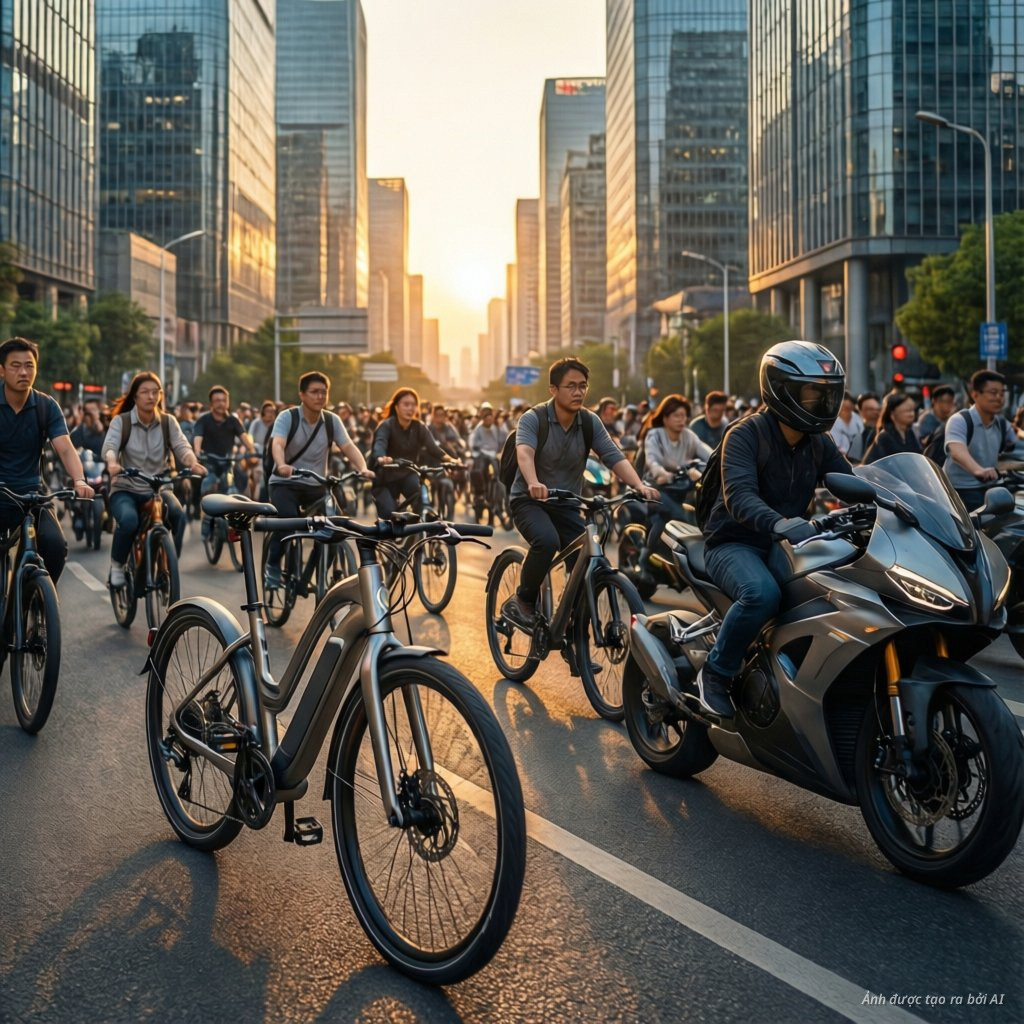
Urban living is undergoing a profound transformation. As cities grow denser, the reliance on traditional internal combustion engines is fading. Modern urbanites are increasingly turning to personal electric mobility to navigate their daily lives. Electric bicycles and electric motorcycles have become the primary tools for this shift toward sustainable, efficient transport [1].
This transition is not merely a trend but a response to global urbanization and rising fuel costs. By choosing light electric vehicles, commuters can bypass traffic congestion and reduce their environmental footprint. These vehicles offer a practical solution for the fast-paced demands of city life electric two-wheelers are changing how we move in modern urban centers.
Understanding the electric two-wheeler market
The global adoption of electric two-wheelers has reached an unprecedented scale. Data from the International Energy Agency confirms that there are over 300 million electric two- and three-wheelers currently on the road [1]. This figure significantly outpaces the number of electric passenger cars, highlighting the dominance of light electric transport.
Market valuations for this sector are soaring toward $100 billion. Analysts project a steady annual growth rate of 7% to 10% through 2030 [2]. This growth is fueled by a clear distinction between two main categories: e-bikes and electric motorcycles.
The role of e-bikes in urban commuting
E-bikes function as bicycles equipped with an integrated electric motor. These motors typically range from 250W to 750W. They provide assistance to the rider, making uphill climbs and long distances manageable. For many, the impact of urbanization on vehicle selection has made e-bikes the preferred choice for short-to-medium commutes [3].
Electric motorcycles for higher performance
Electric motorcycles and scooters represent a more robust class of transport. They are designed for higher speeds, often reaching between 45 km/h and 100+ km/h. These vehicles require registration similar to traditional mopeds. They serve as a direct replacement for gas-powered motorcycles in high-density regions [2].
Technological innovations driving adoption
Advancements in battery technology remain the most critical factor in this market. The industry is shifting from lead-acid batteries to lithium-ion and lithium iron phosphate (LFP) cells. These modern batteries provide higher energy density and a longer cycle life [1]. Consequently, riders benefit from lighter vehicles and extended ranges.
Battery swapping and charging
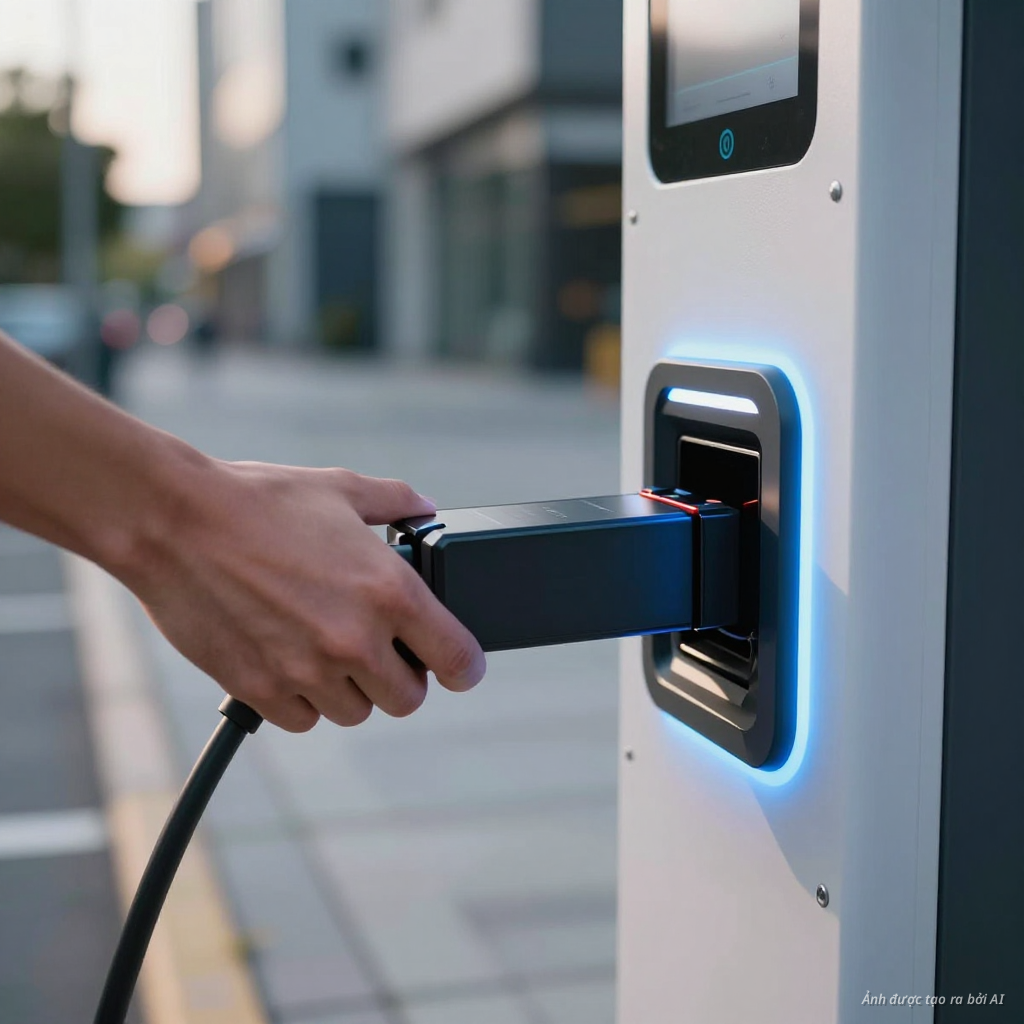
Battery swapping systems are revolutionizing the user experience. By utilizing standardized modules, riders can exchange depleted batteries at automated kiosks in under 30 seconds. This eliminates the need for long charging wait times. It makes electric mobility as convenient as refueling a gas tank the e-bike market is expanding rapidly due to these infrastructure improvements.
Drivetrain efficiency
Motor placement significantly affects performance. Hub motors, located in the wheel, provide a cost-effective solution for entry-level models. Conversely, mid-drive motors offer superior weight distribution and torque efficiency. By leveraging the bicycle’s existing gears, mid-drive systems provide a more natural riding experience [2].
Economic and environmental advantages
The total cost of ownership is a primary driver for consumers. Electric two-wheelers offer up to 90% lower operational costs per kilometer compared to gas-powered counterparts [2]. Electricity is significantly cheaper than petrol, and the lack of complex engines reduces maintenance requirements. There are no oil changes, spark plugs, or drive belts to replace in many models understanding the key differences in electric vehicle maintenance versus gas cars.
Sustainability and urban policy
Governments worldwide are actively promoting electric mobility to achieve carbon neutrality. Many cities now offer purchasing subsidies and tax exemptions. Furthermore, the implementation of zero-emission zones encourages residents to abandon fossil-fuel vehicles. These policies create a favorable environment for the growth of personal electric transport [1].
Global adoption trends
Regional trends vary based on infrastructure and cultural preferences. Asia-Pacific currently dominates the global volume, with China leading the market. Meanwhile, Southeast Asian nations and India are rapidly converting their fleets to electric power [2].
Europe shows a strong preference for premium e-bikes. These are frequently used for commuting and cargo transport, supported by extensive cycling infrastructure. North America is also seeing a surge in interest, with a focus on both commuter and recreational e-bike segments [3].
Smart connectivity features
Modern electric two-wheelers are increasingly “smart.” Integrated IoT and telematics provide users with real-time data. Features like GPS tracking and anti-theft geofencing add a layer of security. Additionally, over-the-air firmware updates ensure that the vehicle software remains current without requiring a dealer visit [1].
Regenerative braking is another key feature. This system captures kinetic energy during deceleration and converts it into electricity. It can extend the riding range by 5% to 10% in stop-and-go traffic. Such innovations make these vehicles highly efficient for urban environments [2].
Conclusion
The shift toward electric bicycles and motorcycles is a testament to the evolving needs of urban dwellers. These vehicles provide a cleaner, cheaper, and more efficient way to navigate the city. As technology continues to improve and infrastructure expands, the adoption of personal electric mobility will only accelerate. Choosing an electric two-wheeler is a practical step toward a more sustainable future.
More Information
- Electric two-wheelers: A category of light electric vehicles including e-bikes and electric motorcycles, designed for personal urban transport and characterized by high efficiency and low emissions [1].
- Lithium-ion batteries: Advanced energy storage units used in modern electric vehicles, offering high energy density and long cycle life compared to traditional lead-acid alternatives [2].
- Mid-drive motor: An electric motor configuration mounted at the bicycle’s bottom bracket, providing better weight distribution and higher torque efficiency by utilizing the bike’s gears [3].
- Regenerative braking: An energy recovery mechanism that slows a vehicle by converting its kinetic energy into electrical energy, which is then stored in the battery [1].
- Total cost of ownership (TCO): A financial estimate intended to help buyers determine the direct and indirect costs of a product, such as fuel, maintenance, and insurance, over its lifetime [2].