
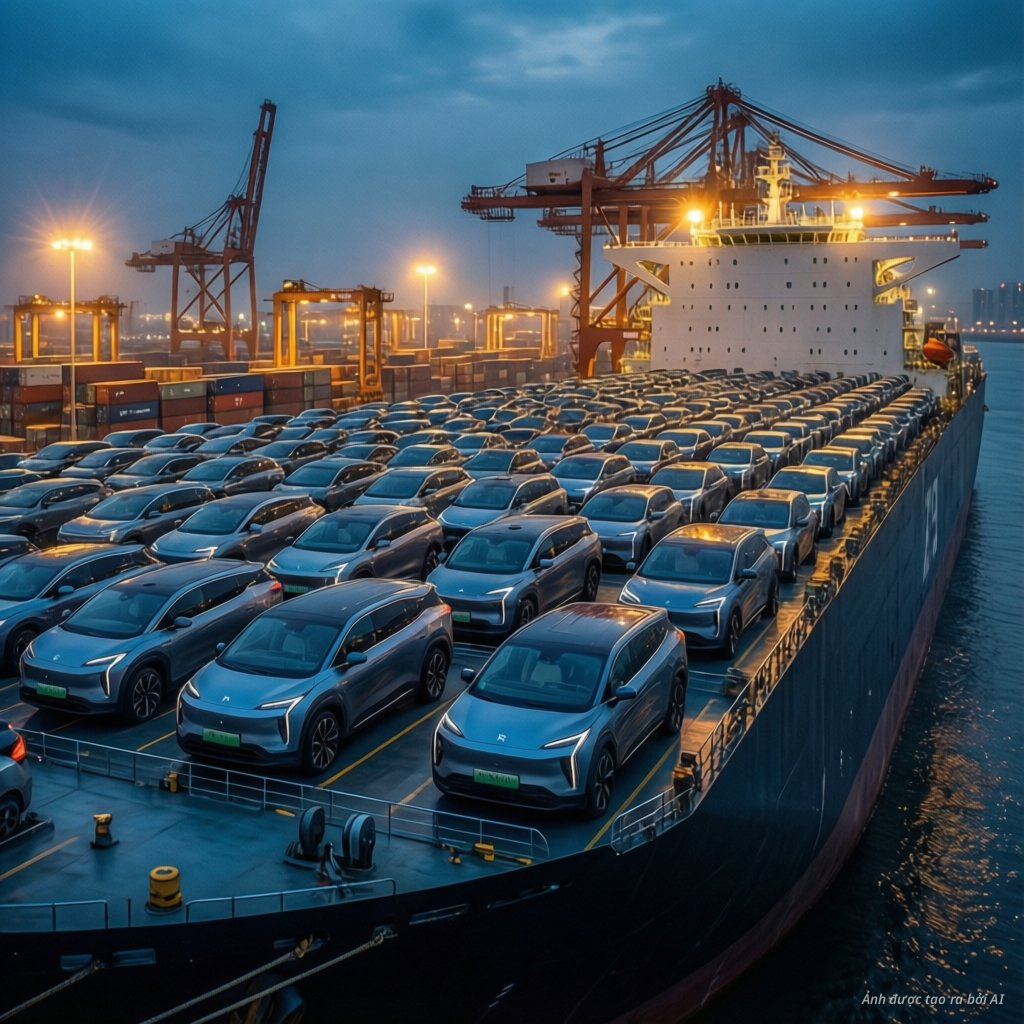
The automotive industry is currently navigating a period of unprecedented transformation. As international trade dynamics shift, car importers must adapt to a rapidly evolving environment. This change is primarily fueled by the global transition toward electric vehicles and complex new trade policies [3].
For importers, understanding these competitive pressures is essential for long-term survival. Market leaders are increasingly facing challenges from new entrants, particularly those leveraging advanced battery technology and integrated supply chains. Consequently, staying informed about international trade barriers has become a core business requirement.
The rise of electric vehicle exports
In recent years, the balance of power in automotive exports has shifted significantly. China has emerged as a dominant force in the global market, surpassing traditional leaders like Japan [3]. This growth is largely driven by the production of affordable battery electric vehicles and plug-in hybrids.
Importers now find themselves managing a diverse portfolio of vehicles. These Chinese manufacturers offer competitive pricing due to their control over battery production and raw material access. This shift forces legacy manufacturers to reconsider their own pricing strategies and electric vehicle maintenance protocols to remain relevant in a crowded market.
Regulatory hurdles in the European Union
The European Union has introduced strict measures to protect its domestic industry and meet environmental goals. Notably, the European Commission has finalized an anti-subsidy investigation, resulting in significant countervailing duties on Chinese electric vehicles [1]. These duties, which reach up to 35.3% on top of standard tariffs, fundamentally alter the cost structure for importers [5].
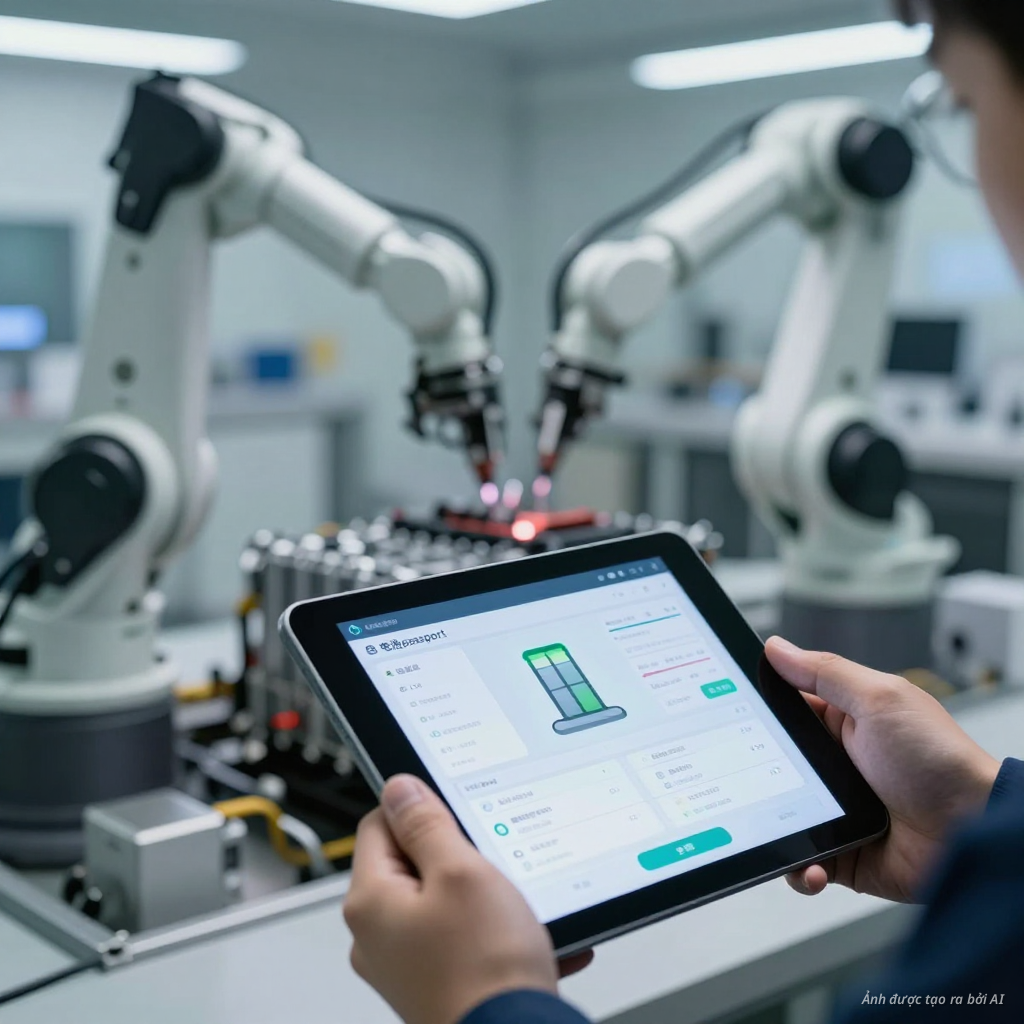
Beyond tariffs, the EU has implemented rigorous sustainability standards. The new battery regulation mandates a digital “battery passport” by 2027 to track materials [1]. Furthermore, the Euro 7 standards now regulate non-exhaust emissions, such as particulate matter from brakes and tires [4]. Importers must ensure their supply chains comply with these environmental mandates to avoid heavy penalties.
Trade protectionism in the United States
The United States has adopted a more aggressive stance toward imported electric vehicles. Under Section 301, the government has increased tariffs on Chinese electric vehicles to 100% [2]. This move effectively closes the US market to direct imports from China, forcing manufacturers to rethink their global distribution strategies.
Additionally, the Inflation Reduction Act imposes strict rules regarding “Foreign Entities of Concern” [2]. Vehicles containing battery components from these regions are ineligible for consumer tax credits. For importers, this means that sourcing and origin documentation have become as important as the vehicles themselves.
Regional dynamics in emerging markets
While major economies are tightening regulations, emerging markets are taking a different approach. Nations in Southeast Asia, such as Thailand and Indonesia, are actively seeking to attract foreign investment. They often offer tax incentives and duty waivers for imported electric vehicles [3].
However, these benefits are usually conditional. Importers are often required to commit to local assembly or “knock-down” production within a few years. This strategy encourages technology transfer and job creation. Meanwhile, countries in Latin America, like Brazil, are reinstating import tariffs to protect their growing domestic automotive sectors [3].
Strategic shifts for automotive importers
The current landscape demands a proactive approach to supply chain management. Importers can no longer rely on simple export-import models. Instead, they must embrace nearshoring and friendshoring to bypass trade barriers [3].
- Diversify supply chains to reduce reliance on single-country production.
- Invest in compliance software to track battery materials and sustainability data.
- Monitor regional trade agreements to identify new, stable markets.
- Align with local assembly requirements to secure tax incentives in emerging regions.
Success in this era requires a deep understanding of both geopolitical trends and environmental law. Importers who master these complexities will find significant opportunities in the evolving global market.
More Information
- Countervailing duties: Trade protection measures imposed by governments to offset the unfair advantage of foreign subsidies, effectively increasing the cost of imported goods to protect domestic industries [1].
- Section 301: A provision of the US Trade Act of 1974 that authorizes the President to take action against foreign countries that violate trade agreements or engage in unjustifiable trade practices [2].
- Battery passport: A digital document required by the EU that records the origin, carbon footprint, and material composition of electric vehicle batteries to ensure supply chain transparency [3].
- Euro 7 standards: A set of European emission regulations that, for the first time, include limits on non-exhaust emissions like brake and tire particles for both electric and combustion vehicles [4].
- Foreign Entity of Concern (FEOC): A designation under US law identifying countries or entities that are restricted from supplying critical minerals or components for vehicles eligible for federal tax credits [5].