
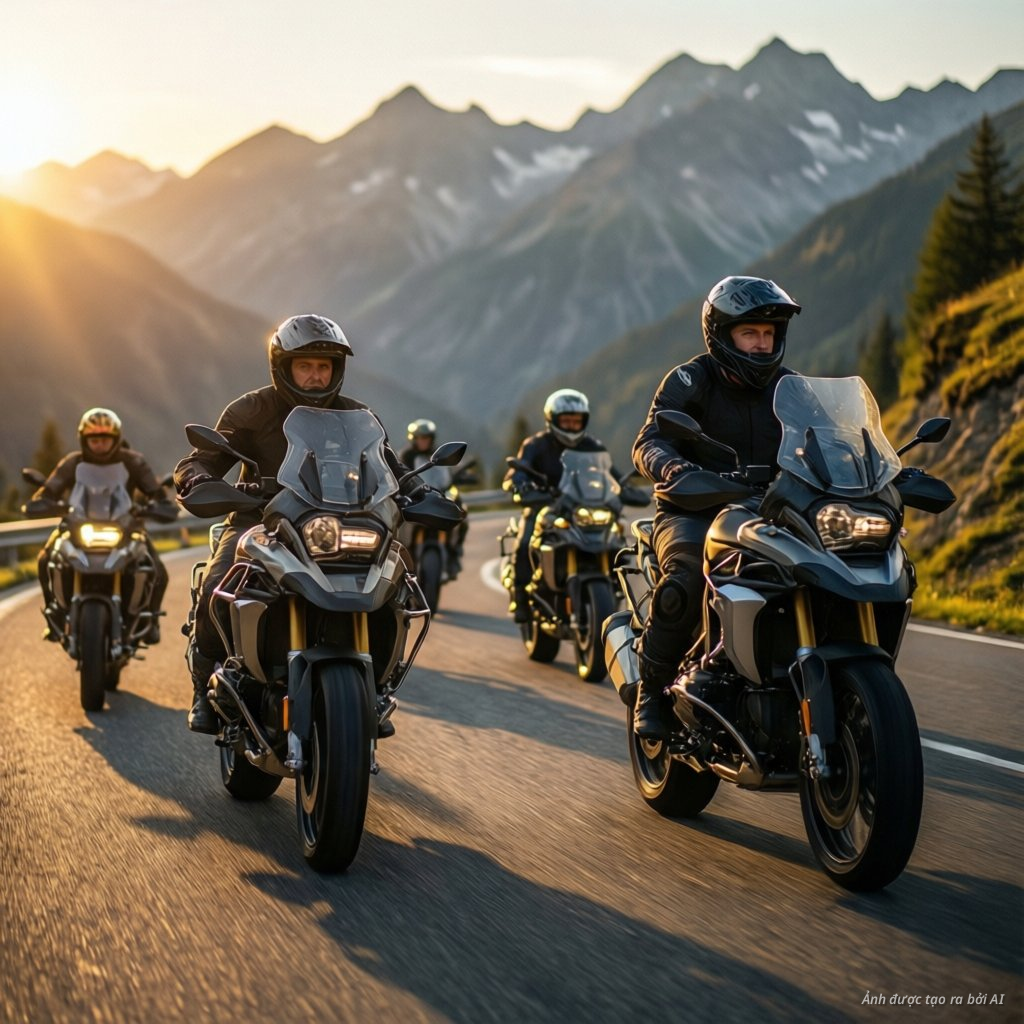
The motorcycle industry is currently undergoing a significant transformation. High-displacement bikes, those with engines exceeding 500cc, are no longer just tools for transportation. They have evolved into symbols of lifestyle, performance, and personal expression [1].
Riders today demand more than just raw power. They seek advanced technology, ergonomic comfort, and versatile capabilities that suit both daily commutes and weekend adventures. Understanding these shifts is crucial for enthusiasts and industry stakeholders alike [2].
The rise of adventure touring
Adventure touring (ADV) motorcycles have become the fastest-growing segment globally. Riders are moving away from dedicated sportbikes to favor machines that offer versatility. These bikes handle highway touring, off-road trails, and urban traffic with ease [1].
The middleweight category, ranging from 500cc to 900cc, is particularly popular. These motorcycles provide an optimal balance of manageable weight, accessible power, and competitive pricing. Many riders find these models more approachable than the massive, ultra-heavyweight touring cruisers of the past [2].
Technology as a primary driver
Modern buyers expect automotive-grade technology in their motorcycles. Safety is now a top priority for most enthusiasts. Features like cornering ABS and traction control are no longer considered luxury additions; they are standard expectations [3].
Manufacturers are integrating sophisticated systems to enhance the riding experience. For example, radar-guided adaptive cruise control and blind-spot detection are becoming common on premium models. These innovations provide peace of mind during long-distance travel [3].
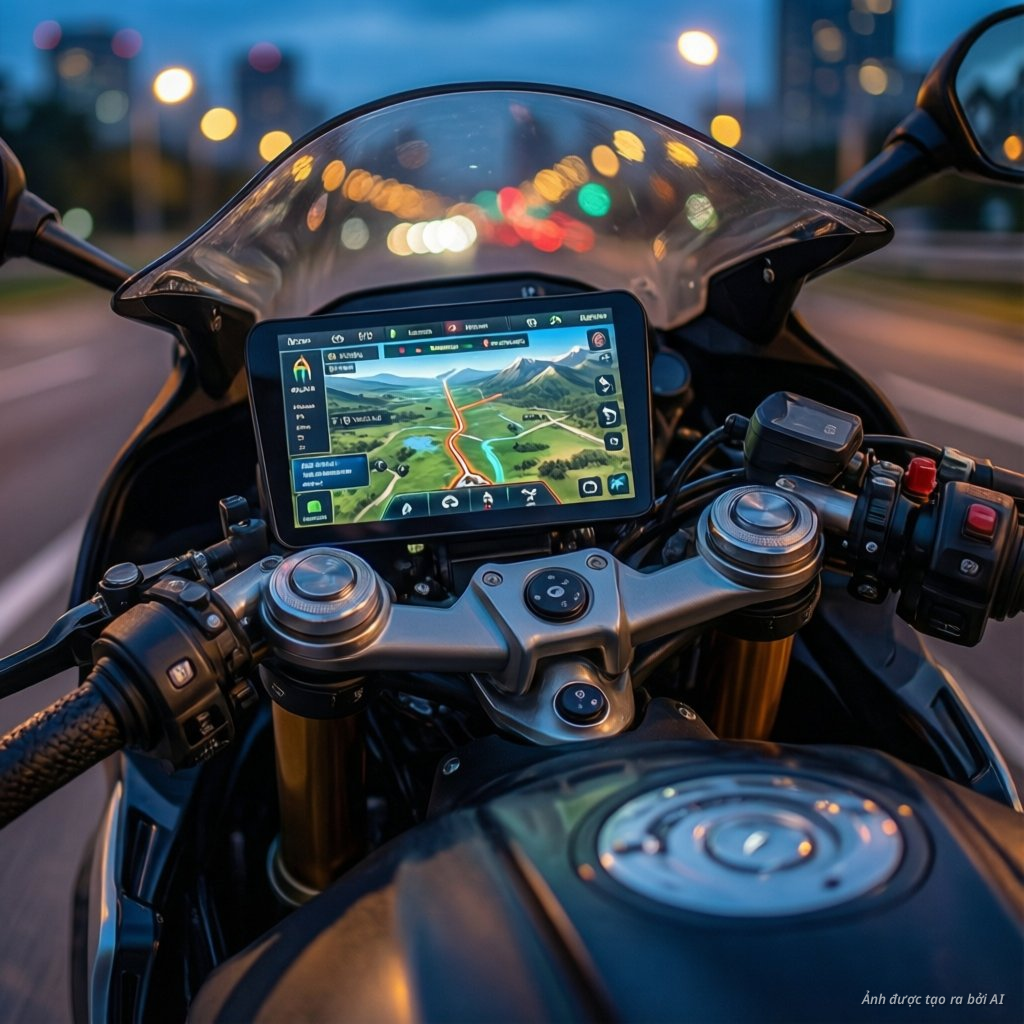
Connectivity is another essential factor. Riders want full-color TFT displays that sync with their smartphones. This allows for turn-by-turn navigation and telemetry tracking directly through mobile applications [2].
Changing demographics and buyer motivations
The profile of the high-displacement motorcycle owner is shifting. While traditional heavyweight cruisers often attract older riders, the adventure and naked segments are successfully capturing younger demographics [1]. This trend is helping to diversify the motorcycling community globally.
Furthermore, there is a notable increase in female riders entering the market. This shift has pushed manufacturers to offer bikes with lower seat heights and adjustable ergonomics. These changes make high-displacement riding more inclusive and comfortable for a broader range of individuals [2].
For many, the purchase is an emotional investment. Motorcycling is frequently viewed as a form of stress relief and personal wellness. Owners prioritize brands that offer strong community support, such as organized rallies and factory-led riding events [3].
The role of digital research
The customer journey has become increasingly digital. Before visiting a showroom, most buyers spend significant time conducting online research. They analyze detailed technical specifications and watch professional performance reviews [1].
Owner forums also play a critical role in the decision-making process. Potential buyers look for real-world feedback on reliability and maintenance costs. Despite this digital shift, the physical dealership remains essential. It is where riders test the ergonomics and finalize their purchase decisions [2].
Regional market variations
Market preferences vary significantly by geography. In North America, the market remains dominated by large-displacement cruisers and heavy touring machines [2]. Conversely, Europe continues to lead in the adoption of naked and sport-touring models, driven by strict emission standards [1].
In emerging markets, particularly across Asia-Pacific, there is a surge in riders upgrading from small utility bikes to mid-range performance models. As disposable income rises, these riders seek the status and capability associated with higher displacement engines [2].
The future of performance
While electrification is making waves in the urban scooter market, high-displacement performance bikes remain loyal to internal combustion engines for now. The challenges of battery weight and range currently limit the viability of electric motors for long-distance touring [1].
However, premium electric motorcycle brands are beginning to target early adopters. These bikes offer instant torque and a unique riding experience that appeals to performance enthusiasts. As battery technology improves, this segment is expected to grow steadily alongside traditional engines [2].
Conclusion
The high-displacement motorcycle market is evolving to meet the needs of a modern, tech-savvy generation. Versatility, safety, and digital connectivity are the pillars of current buyer behavior. Whether through the rise of adventure touring or the focus on premium lifestyle branding, the industry continues to thrive by adapting to these changing demands [3].
More Information
- High-displacement motorcycle: A motorcycle typically equipped with an engine capacity of 500cc or larger, designed for increased power, highway capability, and enhanced performance compared to entry-level or utility-focused commuting bikes.
- Adventure touring (ADV): A versatile motorcycle category built for both paved roads and light off-road terrain, characterized by upright seating, long-travel suspension, and high ground clearance for diverse riding conditions.
- ARAS (Advanced Rider Assistance Systems): A suite of electronic safety technologies, including adaptive cruise control and cornering ABS, designed to assist the rider in maintaining control and preventing accidents during complex maneuvers.
- TFT display: A thin-film transistor liquid-crystal display used in modern motorcycle instrument clusters to provide high-resolution, full-color information, including navigation, ride modes, and smartphone connectivity features.
- Inertial measurement unit (IMU): An electronic sensor that measures the motorcycle’s orientation, lean angle, and acceleration, providing essential data for advanced safety systems like cornering ABS and traction control to function effectively.