
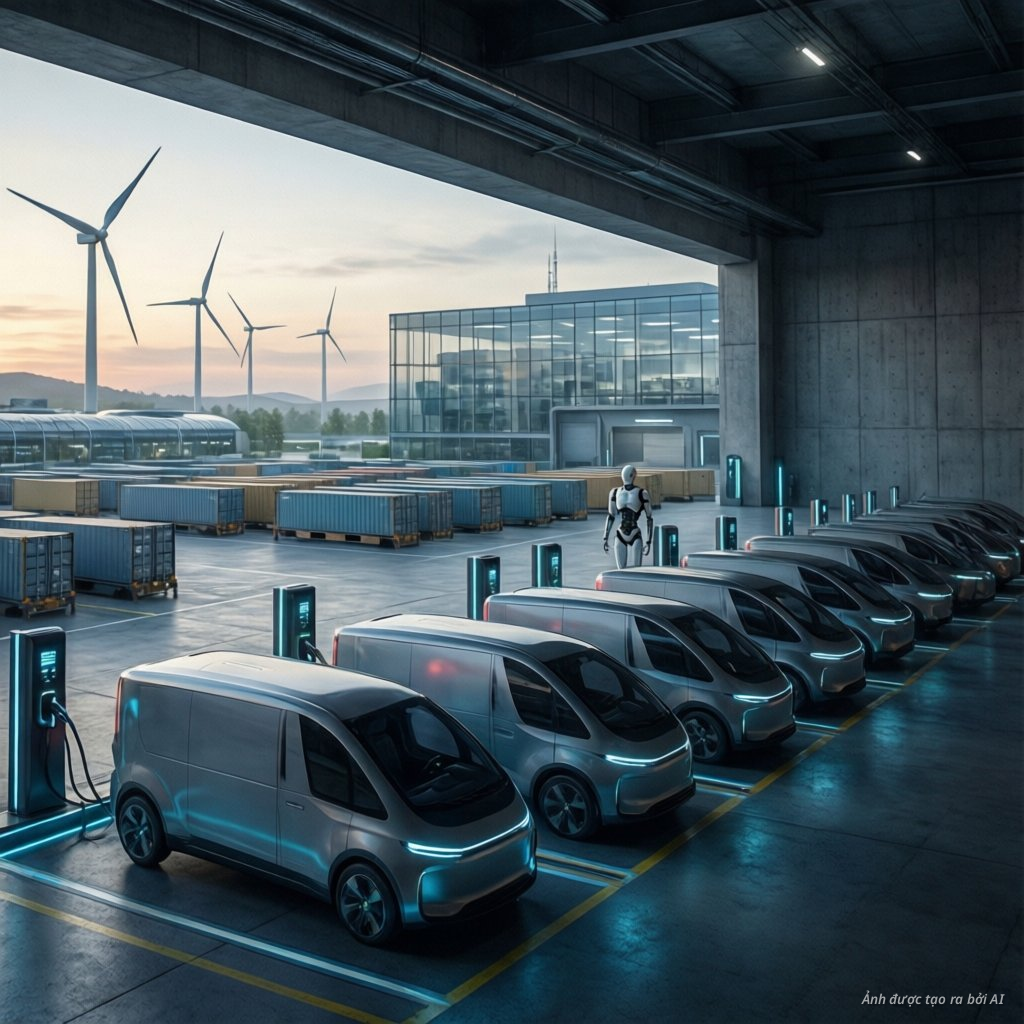
The global commercial vehicle landscape is undergoing a profound transformation as we approach 2026. Logistics companies and freight operators are facing a new era defined by rapid technological shifts and strict environmental regulations. Understanding these changes is essential for any business planning its fleet strategy for the coming years.
Market analysts project that the global commercial vehicle sector will reach a valuation between $1.3 trillion and $1.5 trillion by 2026 [2]. This growth is driven by a steady compound annual growth rate of approximately 4.5% to 6.5%. As demand for logistics efficiency rises, businesses must adapt to these evolving market conditions.

The dominance of light commercial vehicles
Light commercial vehicles, or LCVs, continue to lead the industry in terms of sheer volume. These vehicles, which include vans and small trucks under 6 tonnes, account for over 70% to 75% of all commercial vehicle sales globally [3]. Their popularity stems from their versatility in urban environments and their essential role in last-mile delivery operations.
The surge in e-commerce has made efficient urban transport more critical than ever. Companies are increasingly investing in light commercial vehicle fleets to meet the demands of same-day delivery services. By 2026, the reliance on these agile vehicles will likely intensify as consumer expectations for speed continue to climb.
Electrification and the total cost of ownership
Electrification is no longer a niche trend; it is a core business strategy for fleet operators. Electric light commercial vehicles, or e-LCVs, are rapidly achieving total cost of ownership parity with traditional internal combustion engines [4]. This shift makes the transition to electric fleets financially viable for many businesses.
Battery technology, particularly the use of lithium iron phosphate chemistry, is a major contributor to this trend. These batteries offer longer lifecycles and improved thermal stability, which are vital for daily delivery routes [1]. For those interested in the broader impact of this shift, electric vehicles and operational cost savings for consumers provide further insight into the economic benefits of going green.
Government mandates and emission standards
Regulatory pressure is a primary driver for fleet modernization. Stricter CO2 emission targets, such as the Euro 7 framework and updated US EPA standards, are forcing manufacturers to pivot away from fossil fuels [4]. Businesses that fail to adapt to these global emission trends risk facing significant operational challenges in low-emission zones.
Major European cities are leading the way by restricting access for high-emission vehicles. Consequently, logistics providers are aggressively replacing their legacy fleets with electric alternatives. This transition is essential for maintaining access to urban centers and ensuring long-term operational continuity.
Connectivity and artificial intelligence
By 2026, the integration of telematics and artificial intelligence will be standard across the industry. Modern vehicles are no longer just hardware; they are software-defined assets. This connectivity allows for real-time monitoring of vehicle health and performance [5].
Predictive maintenance is a standout feature of this technological evolution. By analyzing sensor data, fleet managers can anticipate component failures before they cause costly downtime. Furthermore, AI-driven route optimization helps businesses reduce fuel consumption and improve delivery times significantly.
Regional market dynamics
The Asia-Pacific region remains the largest producer and consumer of commercial vehicles. China, in particular, has established itself as a global leader in the production of electric trucks and vans. Many of these vehicles are now being exported to support the growing logistics needs of Southeast Asia and Europe [2].
In North America, the market remains heavily influenced by the demand for pickup trucks. However, even in this segment, there is a clear push toward electrification. Municipal and corporate fleets are increasingly adopting electric vans and light-duty pickups to meet sustainability goals. If you want to understand how this impacts local infrastructure, the impact of urbanization on vehicle selection offers a detailed perspective.
The future of software-defined commercial vehicles
The industry is moving toward centralized domain architectures. This approach enables over-the-air software updates, which allow manufacturers to improve vehicle performance and security remotely. This capability reduces the need for physical dealer visits, ultimately saving time and money for fleet owners [5].
As we look toward 2026, the competitive landscape will be defined by strategic partnerships. Traditional original equipment manufacturers are collaborating with battery suppliers and software developers to secure their supply chains. These alliances are crucial for managing costs and ensuring the availability of next-generation commercial vehicles.
Strategic recommendations for fleet operators
To remain competitive, businesses should prioritize the following actions:
- Evaluate the total cost of ownership for electric fleet conversion.
- Invest in depot-based charging infrastructure to support future electric operations.
- Implement advanced telematics systems to optimize route efficiency and maintenance schedules.
- Monitor regional regulatory changes to ensure long-term compliance with emission standards.
The transition to a more efficient and sustainable commercial vehicle market is well underway. By embracing these technological and regulatory shifts, transport companies can secure a stronger position in the global market by 2026.
More Information
- Lithium iron phosphate (LFP): A type of lithium-ion battery chemistry known for its safety, long cycle life, and lower production costs, making it ideal for commercial electric vehicle fleets.
- Commercial vehicle: A vehicle used for the transportation of goods or passengers for profit, including light, medium, and heavy-duty trucks, vans, and buses.
- Light commercial vehicle (LCV): A category of commercial vehicles, typically weighing under 6 tonnes, designed for urban logistics, last-mile delivery, and service-based business operations.
- Total cost of ownership (TCO): A financial estimate that includes the purchase price of a vehicle plus all operating costs, such as fuel, maintenance, insurance, and depreciation over its lifespan.
- Telematics: The integrated use of telecommunications and informatics to monitor vehicle location, driver behavior, and mechanical health in real-time to improve fleet efficiency.