
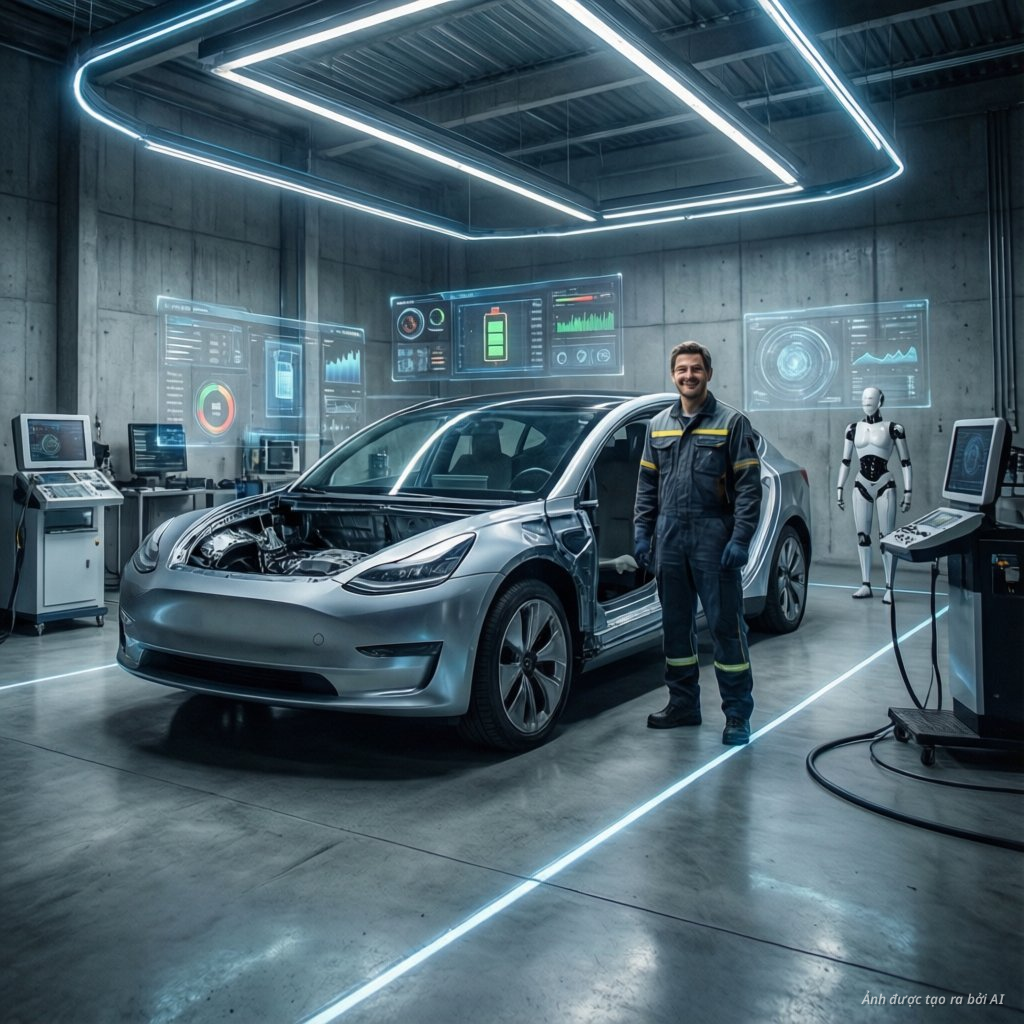
The automotive repair industry is undergoing a profound transformation. Traditional mechanical skills are no longer sufficient to keep pace with modern vehicle complexity. Today, garage owners must embrace software-driven, connected, and electrified diagnostic ecosystems to remain competitive [1].
Modern vehicles are essentially computers on wheels. With over 100 million lines of code in high-end models, the shift toward software-defined vehicles (SDVs) requires a new approach to maintenance. This evolution is driven by the need for precision, speed, and connectivity in every workshop environment [2].
The rise of remote and cloud diagnostics
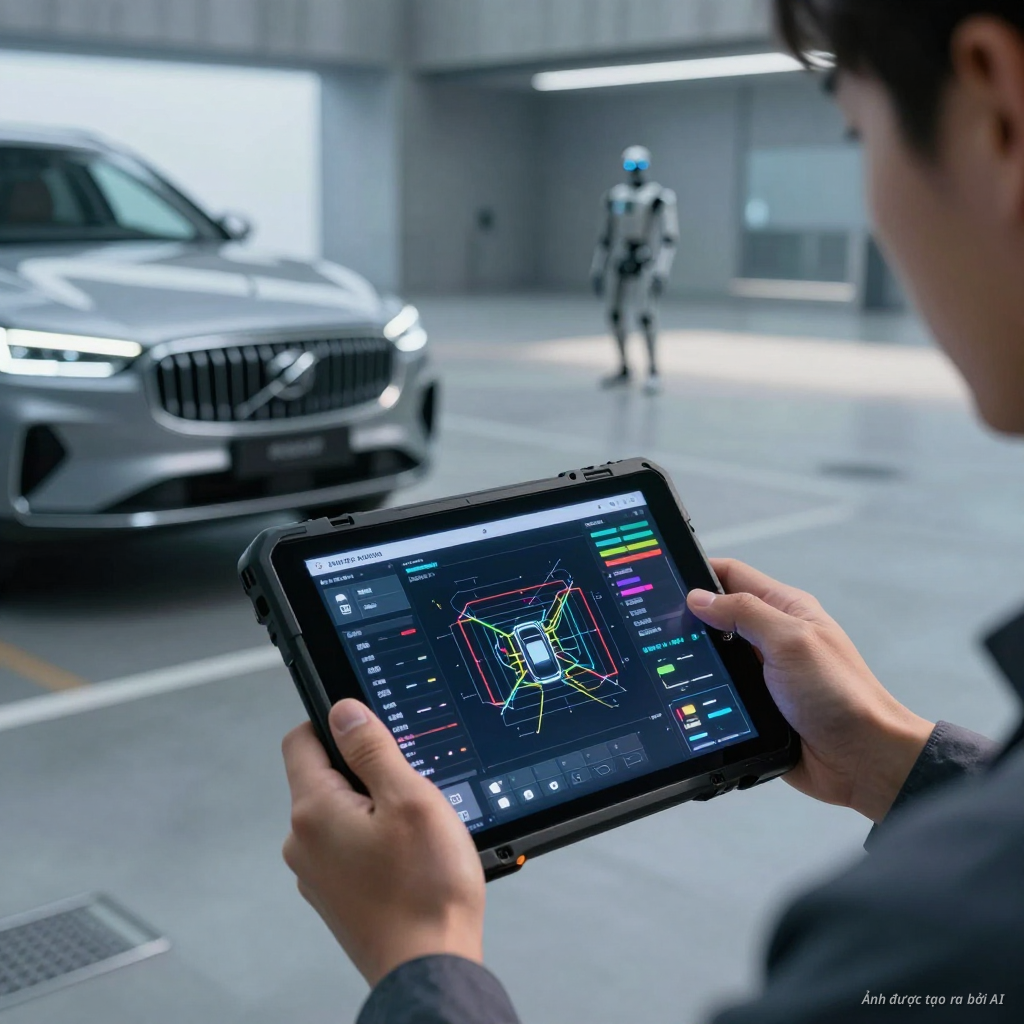
Remote diagnostics represent a significant leap forward for independent repair shops. By utilizing telematics, vehicles can now stream real-time diagnostic trouble codes (DTCs) directly to the cloud. This allows technicians to identify issues before the car even enters the garage [3].
This proactive approach enables better parts management and scheduling. By leveraging Diagnostics over Internet Protocol (DoIP), workshops can process data significantly faster than traditional methods. This efficiency reduces downtime for customers and increases the overall throughput of your service center.
Artificial intelligence in predictive maintenance
Artificial intelligence (AI) is changing how we predict mechanical failures. Machine learning algorithms analyze historical repair data to identify patterns that precede actual breakdowns. Instead of waiting for a part to fail, garages can now offer predictive maintenance services to their clients.
By monitoring sensor harmonics and vibration data, AI tools can detect anomalies that human ears might miss. This technology empowers shop owners to move from reactive repairs to a value-added service model. It builds long-term trust with vehicle owners who value reliability over emergency fixes [1].
Navigating electric vehicle and ADAS challenges
Electric vehicles (EVs) require specialized diagnostic protocols for high-voltage systems and battery management. Understanding the state-of-health (SoH) of lithium-ion packs is becoming a core competency for modern mechanics. Without these tools, shops risk falling behind in the rapidly growing EV market [2].
Similarly, Advanced Driver Assistance Systems (ADAS) demand precise calibration after body repairs or windshield replacements. Using standardized diagnostic hardware ensures that radar, LiDAR, and camera systems function safely. Accuracy in these calibrations is not just a service requirement; it is a critical safety necessity for every modern vehicle.
The importance of pass-thru technology
Independent garages often struggle with restricted access to original equipment manufacturer (OEM) software. However, pass-thru technology, such as the SAE J2534 standard, bridges this gap. It allows technicians to flash electronic control units (ECUs) with official updates without needing proprietary dealer-only tools [3].
This standardization is crucial for maintaining a level playing field. It ensures that independent shops can service complex software-defined vehicles effectively. By investing in compatible hardware, owners can provide dealer-level service at a competitive price point.
Cybersecurity and the secure gateway
As vehicles become more connected, they also become more vulnerable to cyber threats. Manufacturers have introduced secure gateway (SGW) modules to protect vehicle networks from unauthorized access. This means that diagnostic tools must now support authenticated protocols to communicate with the vehicle [2].
Staying updated with these security standards is vital for any garage owner. Partnering with reputable diagnostic tool manufacturers who have direct OEM access is the best way to navigate these evolving security landscapes. Ignoring these requirements will eventually lock your shop out of servicing newer vehicle models.
Preparing your garage for the future
The future of auto repair is not about replacing mechanics with robots. It is about augmenting human expertise with data-driven insights. To succeed, garage owners should focus on three key areas:
- Investing in continuous training for staff on high-voltage and software systems.
- Upgrading diagnostic hardware to support CAN-FD and DoIP protocols.
- Building a digital infrastructure that supports cloud-based data management.
The transition may seem daunting, but the rewards are significant. Shops that embrace these technologies will find themselves at the forefront of the industry. They will provide the high-quality, efficient service that modern vehicle owners demand [1].
Conclusion
The automotive diagnostic landscape is shifting toward a digital-first model. By understanding the role of AI, telematics, and standardized communication protocols, you can future-proof your business. The tools available today allow for unprecedented precision in vehicle repair [3].
Start by identifying which technologies are most relevant to your current customer base. Whether it is ADAS calibration or EV battery diagnostics, focus on one area at a time. The path to the future is built through small, consistent investments in innovation and education.
More Information
- DTC (Diagnostic Trouble Code): A standardized alphanumeric code used by onboard vehicle computers to alert technicians to specific faults within a vehicle’s electronic system, facilitating faster and more accurate troubleshooting [1].
- ECU (Electronic Control Unit): An embedded system that controls various electrical subsystems in a vehicle, such as the engine, transmission, or battery management system, acting as the “brain” of the vehicle [2].
- DoIP (Diagnostics over Internet Protocol): A high-speed communication protocol that enables diagnostic data to be transmitted via Ethernet, allowing for significantly faster software updates and diagnostics in modern vehicles [3].
- SGW (Secure Gateway Module): A hardware-based firewall integrated into modern vehicles that prevents unauthorized diagnostic commands, requiring authenticated credentials for access to the vehicle’s internal network [1].
- CAN-FD (Controller Area Network Flexible Data-Rate): An evolution of the traditional CAN bus protocol that supports higher bandwidth and faster data transfer rates, essential for modern vehicle communication [2].