
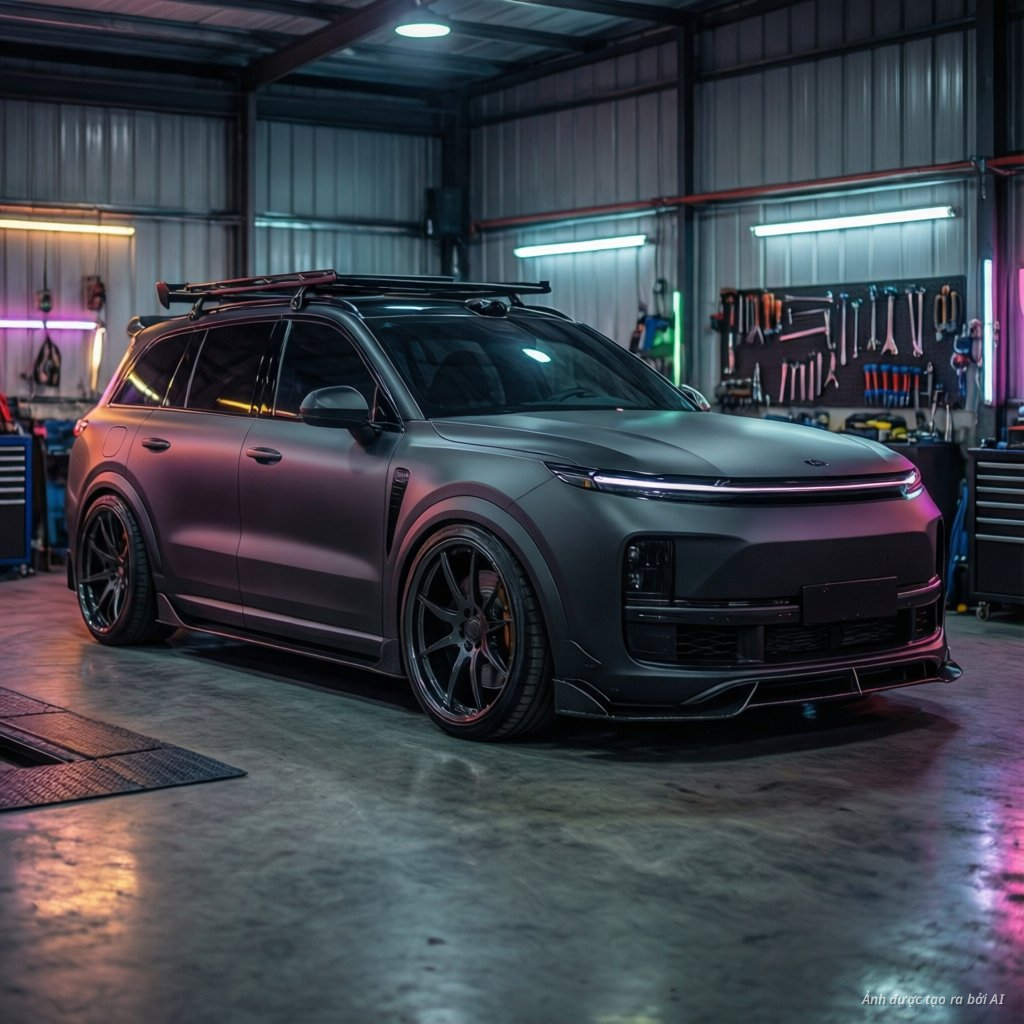
The automotive landscape in Vietnam is undergoing a dramatic transformation. What was once a niche hobby for motorcycle enthusiasts has blossomed into a sophisticated industry centered on passenger cars, SUVs, and electric vehicles. This shift reflects a growing middle class that views the automobile not just as a tool for transport, but as a canvas for personal expression.
Global trends in the automotive aftermarket industry are increasingly mirrored in local garages across Hanoi and Ho Chi Minh City. Enthusiasts are no longer satisfied with factory-standard specifications. Instead, they seek to align their vehicles with their specific lifestyles, whether through rugged off-road upgrades or luxury interior refinements [4].
The rise of personalization in Vietnam
Personalization has become a hallmark of the modern Vietnamese car owner. Owners of popular models like the Ford Ranger or Kia Carnival frequently invest in aesthetic and functional modifications. These upgrades range from custom body kits that provide a sportier stance to advanced automotive audio technology that elevates the in-car entertainment experience.
The culture is also embracing the automotive personalization trend by focusing on utility. For many, the goal is to enhance the vehicle’s capability for long-distance travel or off-road adventures. Suspension kits, specialized tires, and roof racks are common sights, proving that functionality remains a core pillar of the local scene [3].
Navigating the legal framework
A major turning point for the local community was the introduction of new regulations regarding vehicle modifications. Understanding the legal boundaries is essential for any enthusiast looking to customize their ride. The government has taken steps to clarify what is permissible during the technical inspection process, commonly known as Đăng kiểm.
According to Circular 43/2023/TT-BGTVT, many non-structural modifications are now officially recognized as compliant [1]. This includes aesthetic changes like body wraps, provided the color is updated in the registration documents. Furthermore, the installation of roof racks and side steps is permitted as long as they do not exceed the vehicle’s original dimensions [2].
The impact of lighting and electrical upgrades
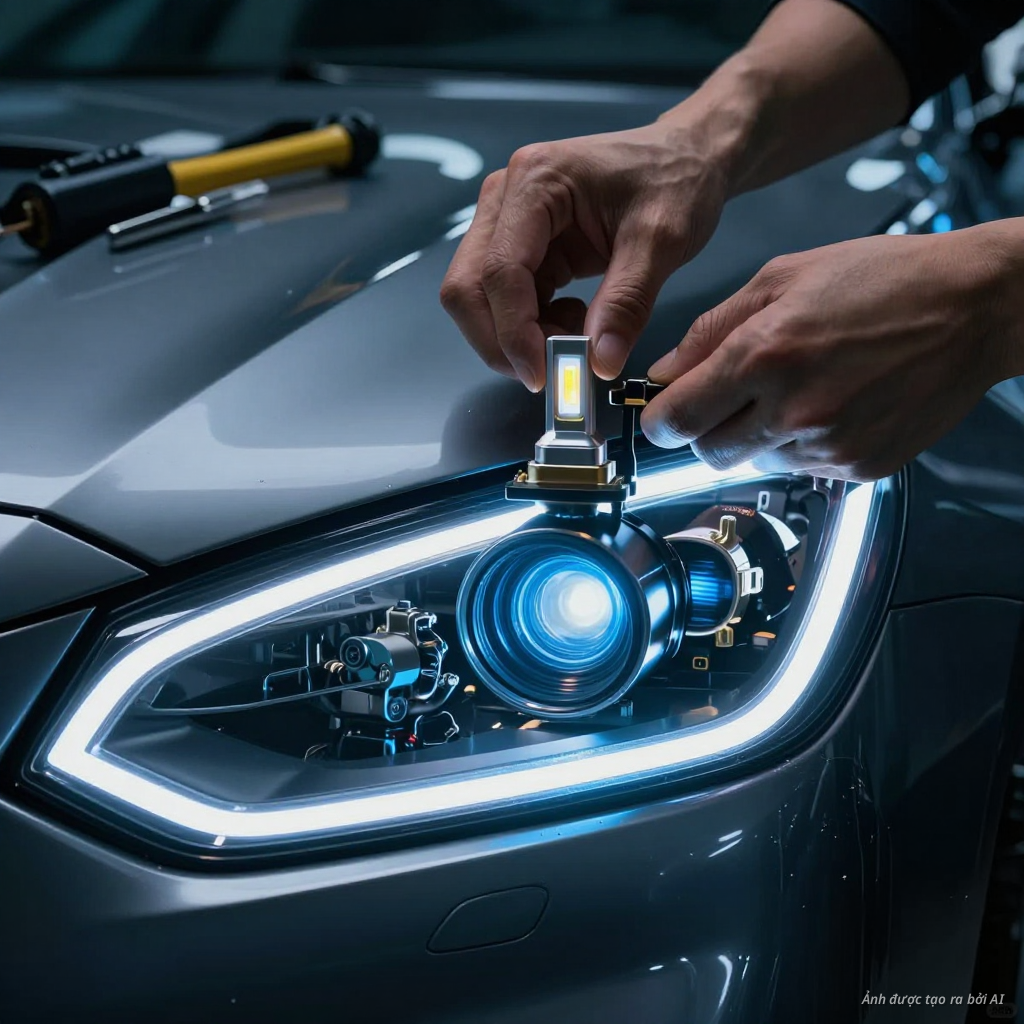
Lighting retrofits represent one of the most popular segments in the Vietnamese market. Many owners replace factory halogen bulbs with high-performance bi-LED or laser projector modules. These upgrades significantly improve nighttime visibility and safety.
The key to compliance is ensuring that these lights meet technical standards for beam patterns and intensity [2]. When done correctly, these modifications enhance both the look and the safety of the vehicle. It is a perfect example of how modern technology meets the demands of the local driving environment.
Customizing the electric vehicle experience
The emergence of electric vehicles (EVs) has introduced a new frontier for customization. VinFast owners are leading this charge, experimenting with unique vinyl wraps, lowered suspension setups, and custom wheels. This trend highlights the versatility of electric platforms in the modern era.
As the market for EVs grows, so does the demand for specialized aftermarket parts. Enthusiasts are finding creative ways to personalize their electric rides without compromising the vehicle’s delicate battery management systems. This evolution is a testament to the ingenuity of the local automotive community as they adapt to a changing global energy landscape [5].
Comparing global and local standards
While the Vietnamese scene is unique, it shares a common DNA with established markets like Japan and the United States. Global trade shows like the SEMA Show have long influenced the design language of local builds [3]. However, the Vietnamese market remains distinct due to its specific focus on MPVs and pickup trucks.
Unlike the track-day focus seen in Europe, the local culture prioritizes comfort, utility, and aesthetic individuality. This balance allows for a vibrant community that respects both the manufacturer’s engineering and the owner’s personal vision. As regulations continue to evolve, the industry is poised for further professionalization [1].
The future of vehicle modification
The future of customization in Vietnam looks bright. With better access to high-quality components and clearer regulatory guidelines, owners can modify their vehicles with greater confidence. The industry is shifting toward more sophisticated, high-tech enhancements that prioritize both performance and reliability.
Whether you are interested in a subtle aesthetic wrap or a comprehensive off-road build, the key is to stay informed. By following the latest standards and choosing reputable workshops, you can ensure your vehicle remains both unique and road-legal. The journey of personalizing your ride is a rewarding experience that connects you to a growing community of passionate drivers across the country.
More Information
- Circular 43/2023/TT-BGTVT: A regulation issued by the Vietnam Ministry of Transport that clarifies and simplifies the legal requirements for vehicle modifications, allowing for safer and more standardized customization practices.
- Đăng kiểm: The mandatory technical inspection process in Vietnam that ensures all vehicles on the road meet safety and emission standards, which now includes specific guidelines for permitted aftermarket modifications.
- SEMA: The Specialty Equipment Market Association, a global trade organization that provides market research and standards for the automotive aftermarket industry, heavily influencing global tuning trends.
- Automotive aftermarket: The secondary market of the automotive industry, concerned with the manufacturing, remanufacturing, distribution, retailing, and installation of all vehicle parts, chemicals, equipment, and accessories.
- Personalization: The process of modifying a vehicle to reflect the owner’s personal taste, lifestyle, or specific utility needs, often through aesthetic, interior, or performance-oriented upgrades.