
The global automotive landscape has undergone a seismic shift since the onset of the pandemic. Economic pressures and changing mobility preferences have fundamentally altered how individuals approach vehicle acquisition. For economic analysts, understanding these nuances is critical to forecasting market trends and industry growth [1].
Consumers now prioritize personal space and reliability over traditional commuting patterns. This behavior stems from a desire for safety and control in a post-pandemic world. Consequently, the demand for private vehicle ownership remains robust across global markets [2].
The rise of personal ownership
Pandemic-era health concerns significantly boosted the appeal of private transportation. Many commuters abandoned public transit to minimize exposure risks. Even as restrictions faded, this preference for personal mobility persisted [4].
Hybrid work models further cemented this trend. With fewer daily trips to the office, consumers value the flexibility provided by their own cars. This lasting impact of the pandemic on global automotive purchasing behavior continues to influence inventory demands and production strategies.
Electrification as a primary driver
Environmental consciousness and rising fuel costs have accelerated the transition to electric vehicles. Consumers are increasingly evaluating the total cost of ownership rather than just the initial price tag [3]. This global EV outlook highlights how government incentives and infrastructure investments play a pivotal role in adoption.
Hybrids serve as a vital bridge for many buyers. They offer the efficiency of electricity without the range anxiety associated with pure battery electric vehicles. Analysts observe that this segment is currently experiencing significant growth in both developed and emerging economies [3].
Digital retailing and the omnichannel journey
The car buying journey is no longer confined to the dealership showroom. Today, over 70% of buyers conduct extensive research online before making a final decision [2]. This car buyer journey study emphasizes the need for seamless digital workflows.
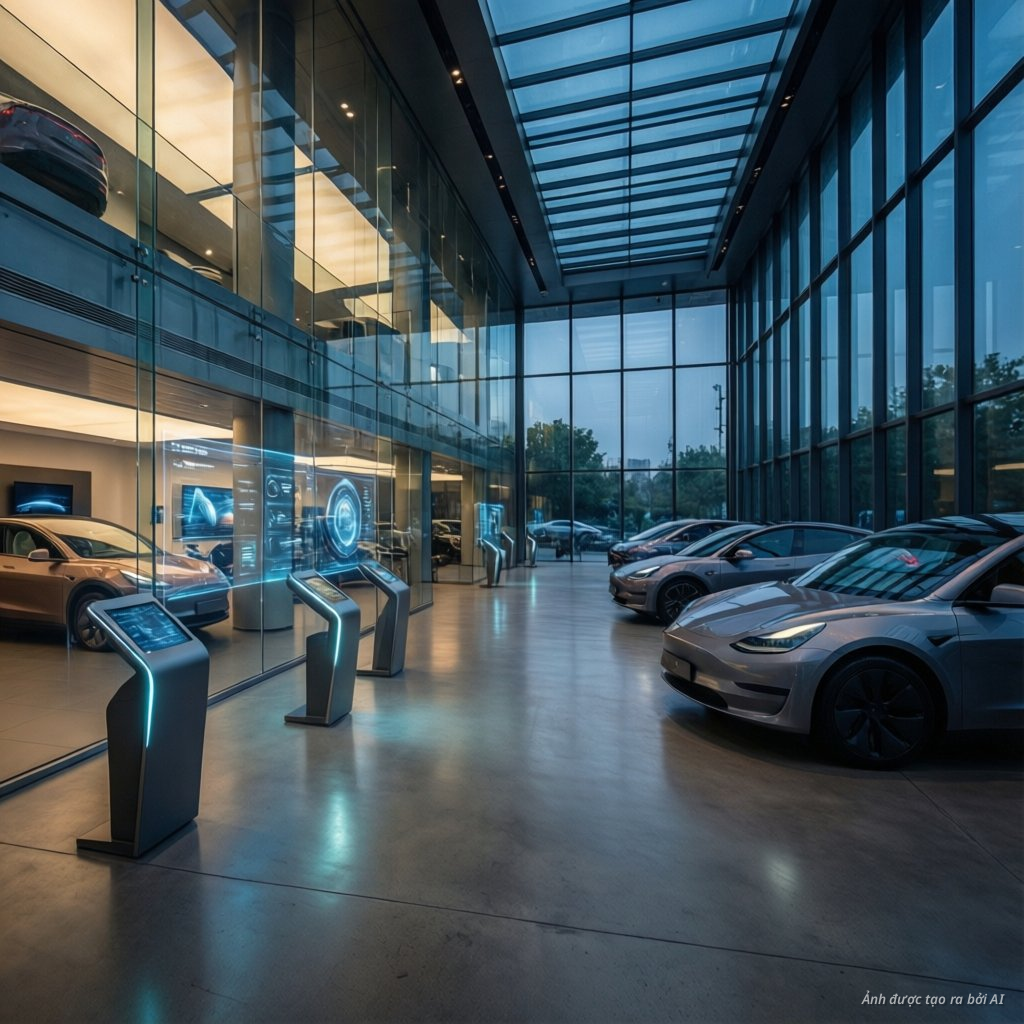
Consumers now expect to configure vehicles, apply for financing, and value trade-ins entirely online. Manufacturers that provide a cohesive future of automotive showrooms: virtual reality experiences are gaining a competitive edge. This digital transformation reduces friction and improves overall customer satisfaction.
Economic sensitivity and value-driven decisions
Inflation and elevated interest rates have made consumers more price-sensitive than ever. Consequently, the focus has shifted toward long-term vehicle durability and reliability. Buyers are keeping their vehicles for longer periods to maximize their investment [1].
This trend forces OEMs to emphasize extended warranties and low-maintenance designs. Value-driven decision-making is now a core component of the automotive purchasing process. Analysts must monitor these economic pressures closely to predict future sales cycles [4].
The importance of in-cabin technology
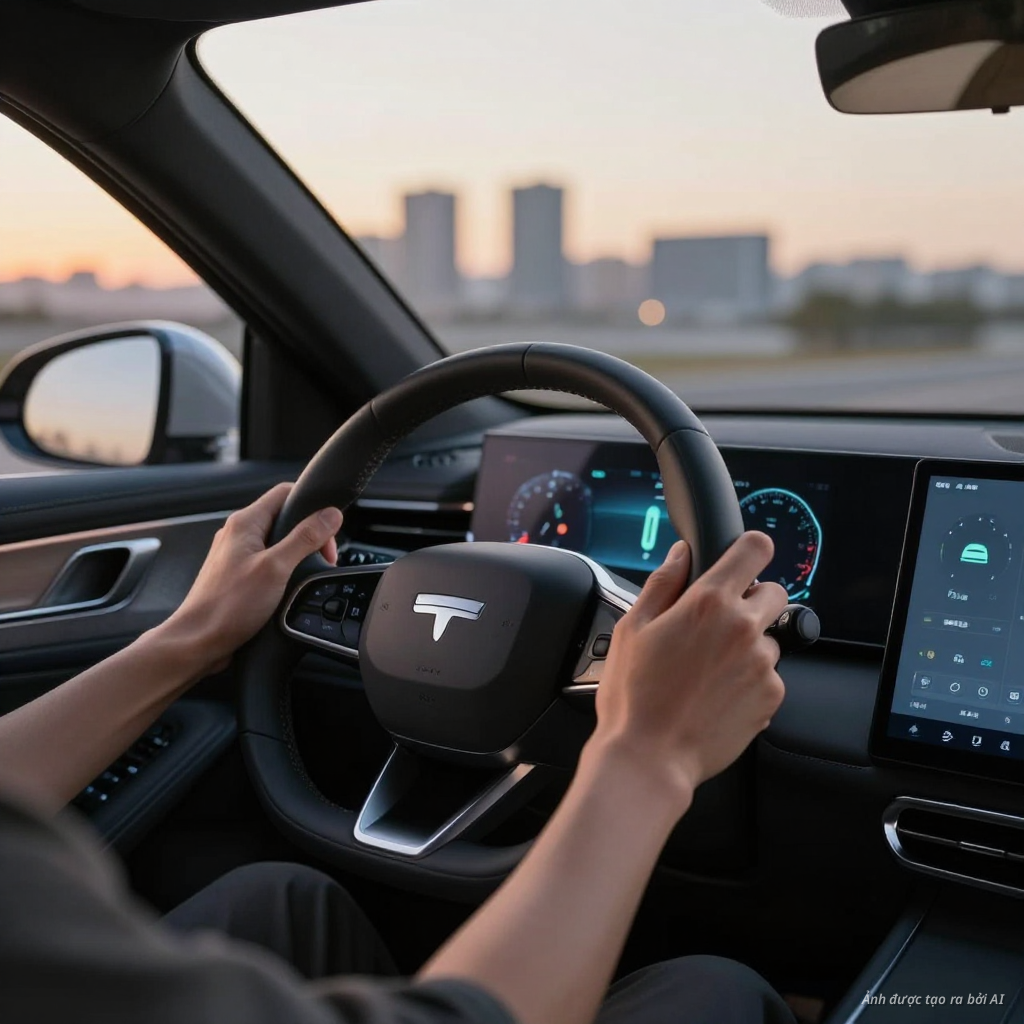
Modern buyers view software as a primary vehicle feature. Connectivity and safety systems are now essential requirements for most consumers. Features such as Apple CarPlay, Android Auto, and advanced driver assistance systems are no longer luxury add-ons [1].
Software-defined vehicles allow for over-the-air updates, which enhance vehicle longevity. This technological integration ensures that cars remain relevant and safe for years after purchase. It is a key differentiator in a crowded global market [4].
Conclusion for industry stakeholders
The post-pandemic automotive market is defined by a blend of digital convenience and pragmatic ownership. Consumers demand efficiency, connectivity, and long-term value. Stakeholders must adapt to these changing priorities to remain relevant in a rapidly evolving global economy [2].
By leveraging digital tools and focusing on the total cost of ownership, manufacturers can better align with current buyer needs. The transition to electrification remains a top priority, supported by a growing infrastructure and consumer demand for sustainable mobility [3].
More Information
- Total cost of ownership (TCO): A comprehensive financial estimate intended to help buyers determine the direct and indirect costs of a vehicle over its entire lifespan, including fuel, insurance, and maintenance.
- Omnichannel retailing: A business strategy that provides a seamless shopping experience by integrating online research tools with physical dealership interactions to satisfy modern consumer expectations.
- Software-defined vehicle (SDV): A vehicle whose features and functions are primarily enabled or managed through software, allowing for continuous improvements via over-the-air updates throughout the vehicle’s life.
- Advanced driver assistance systems (ADAS): Electronic technologies that assist drivers in driving and parking functions, designed to increase vehicle safety and improve the overall driving experience.
- Electrification: The process of replacing fossil-fuel-powered internal combustion engines with electric motors and battery systems to reduce emissions and improve energy efficiency in the transport sector.