
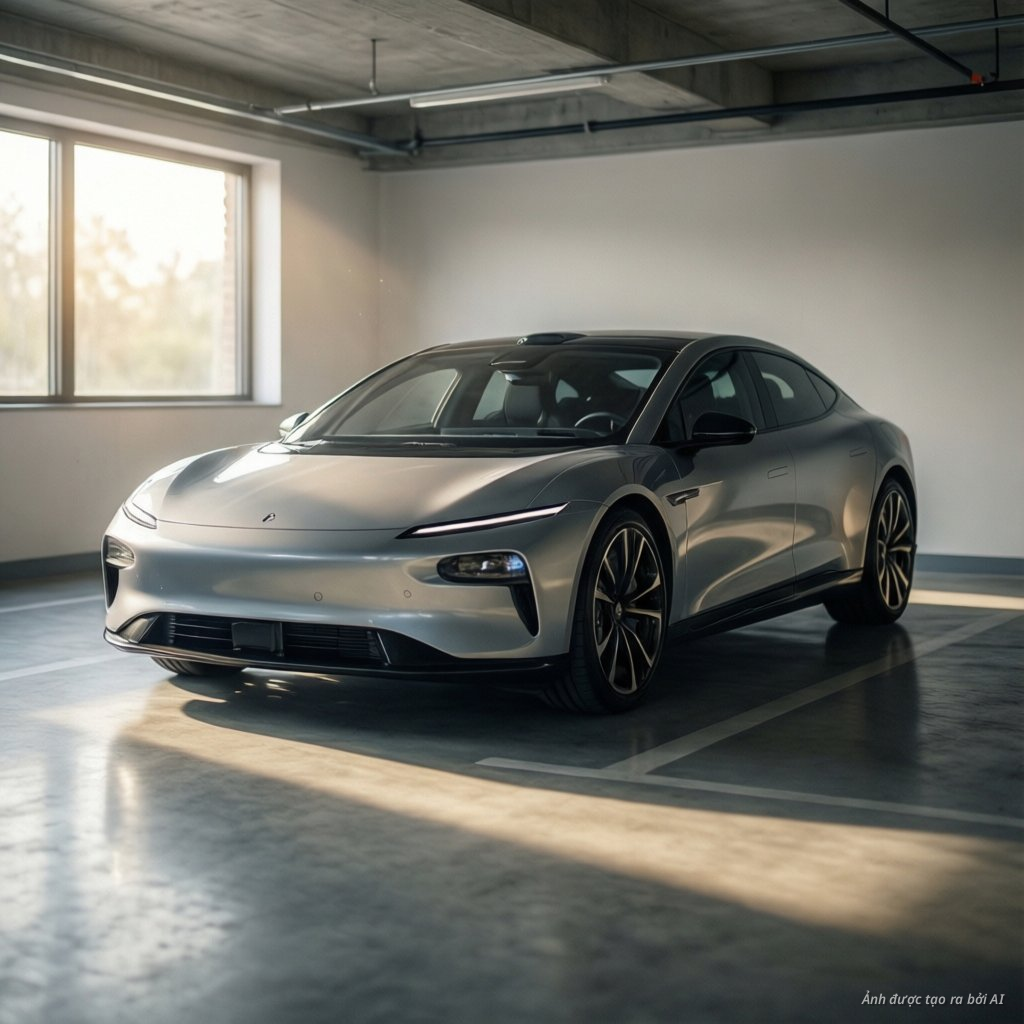
The automotive industry is undergoing a massive transformation as more drivers switch to electric vehicles (EVs). For many cost-conscious consumers, the initial price tag is only part of the story. Understanding the total cost of ownership is essential for making an informed financial decision.
Electric vehicles offer significant long-term savings compared to traditional internal combustion engine (ICE) cars. By analyzing fuel efficiency and maintenance requirements, drivers can see how these vehicles lower their monthly expenses over time [3].
Understanding total cost of ownership
Total cost of ownership (TCO) encompasses more than just the purchase price. It includes fuel, insurance, registration, and routine maintenance over the lifespan of the car [3]. While EVs may have higher upfront costs, they frequently achieve financial parity with gas cars within three to five years of ownership [4].
Energy efficiency is a primary driver of these savings. Electric motors are remarkably efficient, converting over 77% of grid energy into power at the wheels [1]. In contrast, gasoline engines typically convert only 12% to 30% of the energy stored in fuel [1]. This vast difference in energy conversion means you get more distance for every dollar spent on energy.
Fuel costs and energy stability
Driving on electricity is generally cheaper per mile than using fossil fuels. Global petroleum prices are notoriously volatile, making it difficult for families to budget for transportation costs. Electricity prices, however, remain far more stable, providing predictable monthly expenses for EV owners [5].
Home charging provides the most significant savings for the average driver. By utilizing off-peak electricity rates, owners can reduce their “fuel” costs by 50% to 70% compared to gasoline vehicles [4]. While public DC fast charging is more expensive, it remains competitive with premium fuel prices and offers unmatched convenience during long-distance travel [5].
Maintenance savings explained
One of the most compelling arguments for switching to an EV is the drastic reduction in maintenance needs. Research indicates that EV owners spend roughly half as much on lifetime repairs compared to those driving gas-powered vehicles [4]. This equates to thousands of dollars in savings over the life of the car.
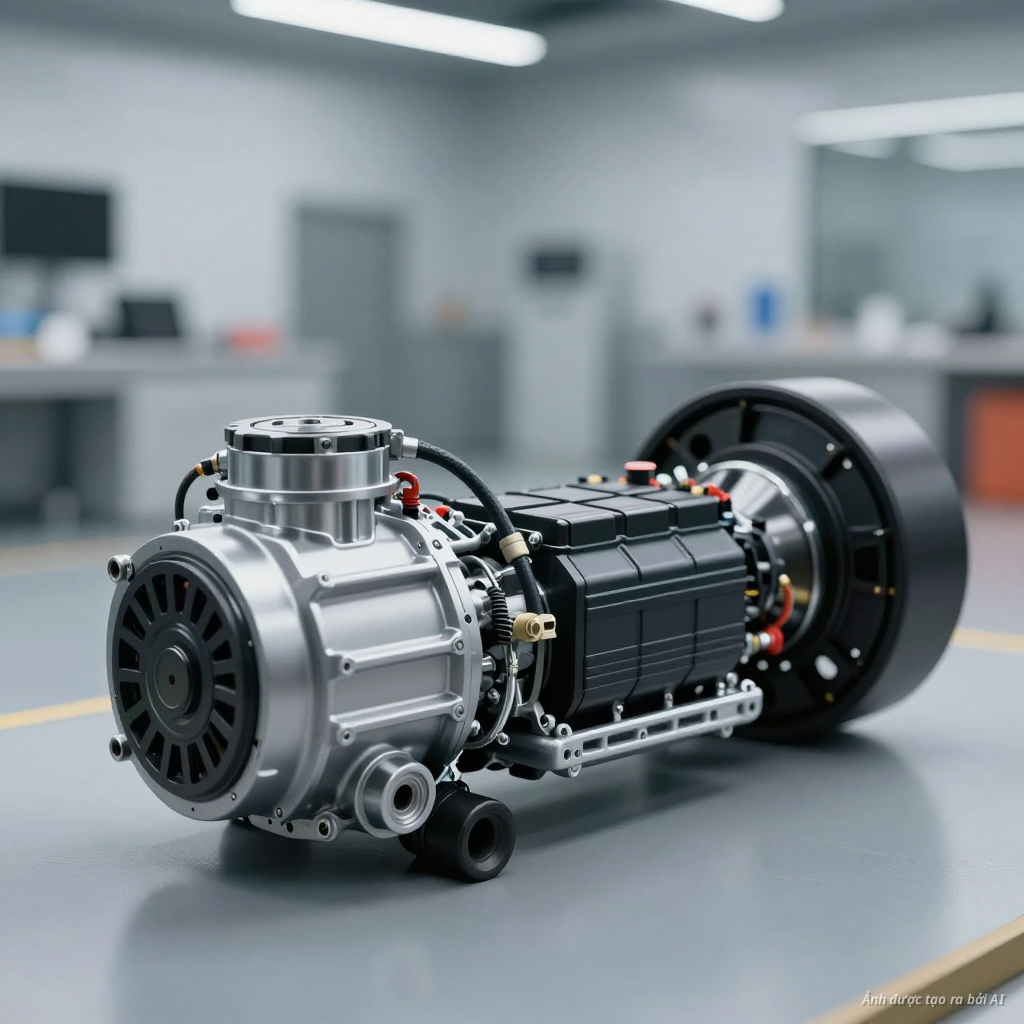
The primary reason for this is the simplicity of the powertrain. A standard internal combustion engine contains over 2,000 moving parts, whereas an electric drivetrain has around 20 [2]. You can learn more about the mechanical differences that make these vehicles so reliable.
Eliminating routine service items
EV owners never have to worry about oil changes, spark plug replacements, or timing belt repairs. These routine maintenance items are completely absent from the electric vehicle ownership experience [2]. Additionally, there is no exhaust system to repair or fuel injectors to clean.
Regenerative braking systems also play a vital role in cost reduction. By using the motor to slow the vehicle, EVs significantly reduce wear on brake pads and rotors [2]. Many owners find their brake components last twice as long as those on traditional vehicles.
Quantifying the per-mile cost
Data from the Argonne National Laboratory provides a clear picture of these savings. The maintenance and repair cost for a battery electric vehicle (BEV) is approximately $0.061 per mile [3]. For comparison, a conventional gas-powered vehicle averages $0.101 per mile [3].
Over the course of 100,000 miles, these small per-mile savings add up to significant financial benefits. This understanding of the key differences in electric vehicle maintenance versus gas cars is essential for any budget-conscious shopper.
Battery longevity and warranty protection
A common concern for potential buyers is the lifespan of the battery pack. Fortunately, modern lithium-ion batteries are engineered for durability, often lasting 150,000 to 200,000 miles [5]. Annual degradation rates are typically very low, usually between 1% and 2% under normal driving conditions [5].
Manufacturers provide robust protection to ensure consumer confidence. Most markets require warranties that cover the battery for at least 8 years or 100,000 miles, guaranteeing a minimum of 70% capacity retention [4]. This protection effectively mitigates the risk of early capital loss for the owner.
Final thoughts on financial efficiency
Transitioning to an electric vehicle is a strategic financial move for those looking to lower their long-term transportation costs. The combination of cheaper energy, reduced maintenance requirements, and reliable battery technology creates a strong value proposition. By evaluating the total cost of ownership, drivers can move beyond the sticker price and focus on the real-world savings that electric mobility provides.
More Information
- Battery electric vehicle (BEV): A type of electric vehicle that runs entirely on electricity stored in a battery pack, requiring no gasoline or diesel fuel for propulsion.
- Regenerative braking: An energy recovery mechanism that slows a vehicle by converting its kinetic energy into electrical energy, which is then stored in the battery for future use.
- Total cost of ownership (TCO): A financial estimate intended to help buyers determine the direct and indirect costs of a product, including purchase price, maintenance, and fuel over its lifespan.
- Internal combustion engine (ICE): A traditional engine that generates power by burning fuel, such as gasoline or diesel, within the engine cylinders.
- Lithium-ion battery: The standard type of rechargeable battery used in modern electric vehicles, known for high energy density and long-term durability.