
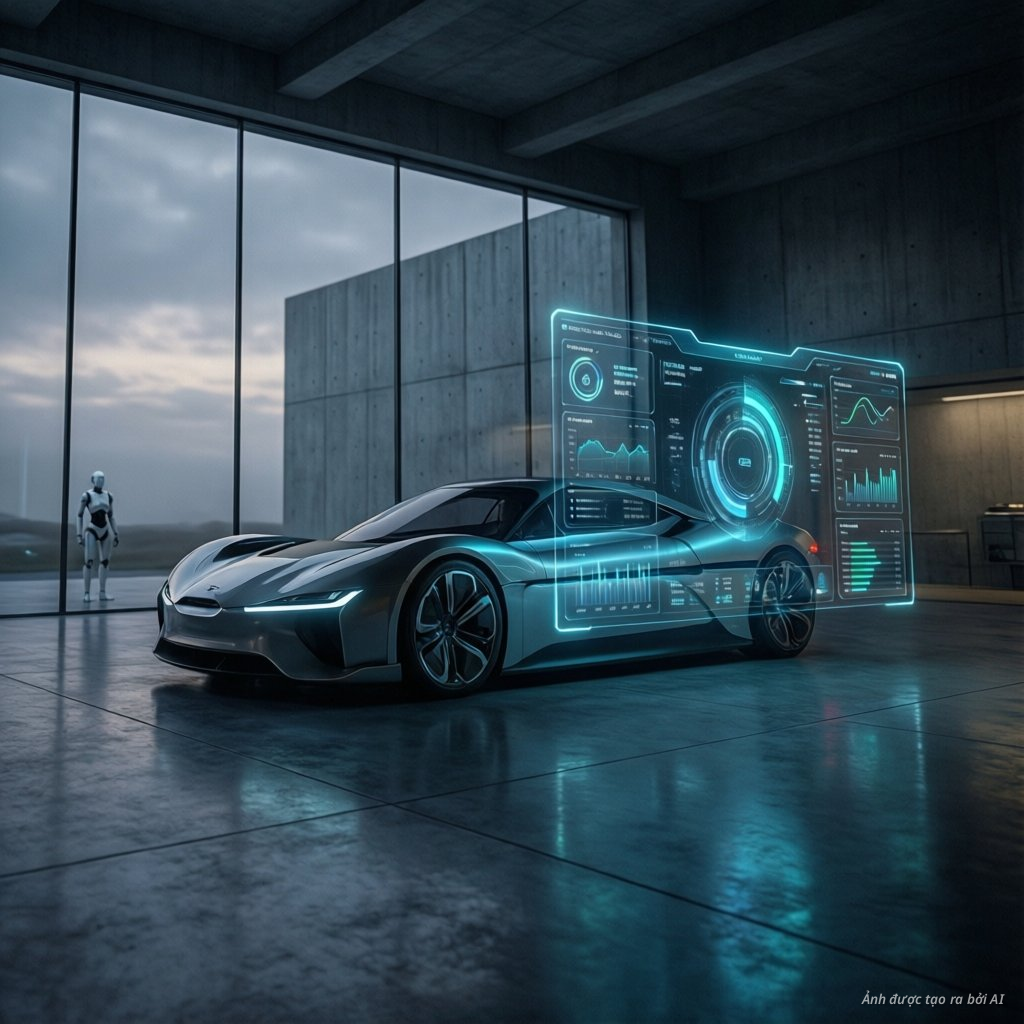
The automotive industry is undergoing a massive transformation. Modern vehicles are no longer just mechanical machines; they are sophisticated, software-defined devices. For mobile developers, this shift creates a unique opportunity to build powerful platforms that connect drivers to their cars [1].
Smart vehicle management applications serve as the primary interface between the user and the vehicle’s internal systems. By leveraging telematics and real-time data, these apps allow users to monitor, control, and optimize their driving experience from anywhere in the world [2].
Understanding the technical architecture
Building a robust smart car application requires a deep understanding of the underlying hardware-to-cloud ecosystem. Developers must integrate mobile clients with complex vehicle hardware, such as the telematics control unit (TCU) [3].
Most modern vehicles use an OBD-II port to access the controller area network (CAN bus). This allows the application to read diagnostic trouble codes and sensor data directly from the vehicle’s engine control unit. You can learn more about how telematics works by exploring industry-standard protocols.
Key features for modern automotive apps
To remain competitive, developers must prioritize features that provide tangible value to the driver. Remote control functionality is a foundational element for most consumer-facing automotive software. This includes features like remote start, door lock control, and HVAC pre-conditioning.
Real-time GPS tracking is another essential capability. By implementing geofencing, developers can provide users with alerts when their vehicle enters or leaves a specific area. This is particularly useful for fleet management and personal security [2].
Prioritizing vehicle health and diagnostics
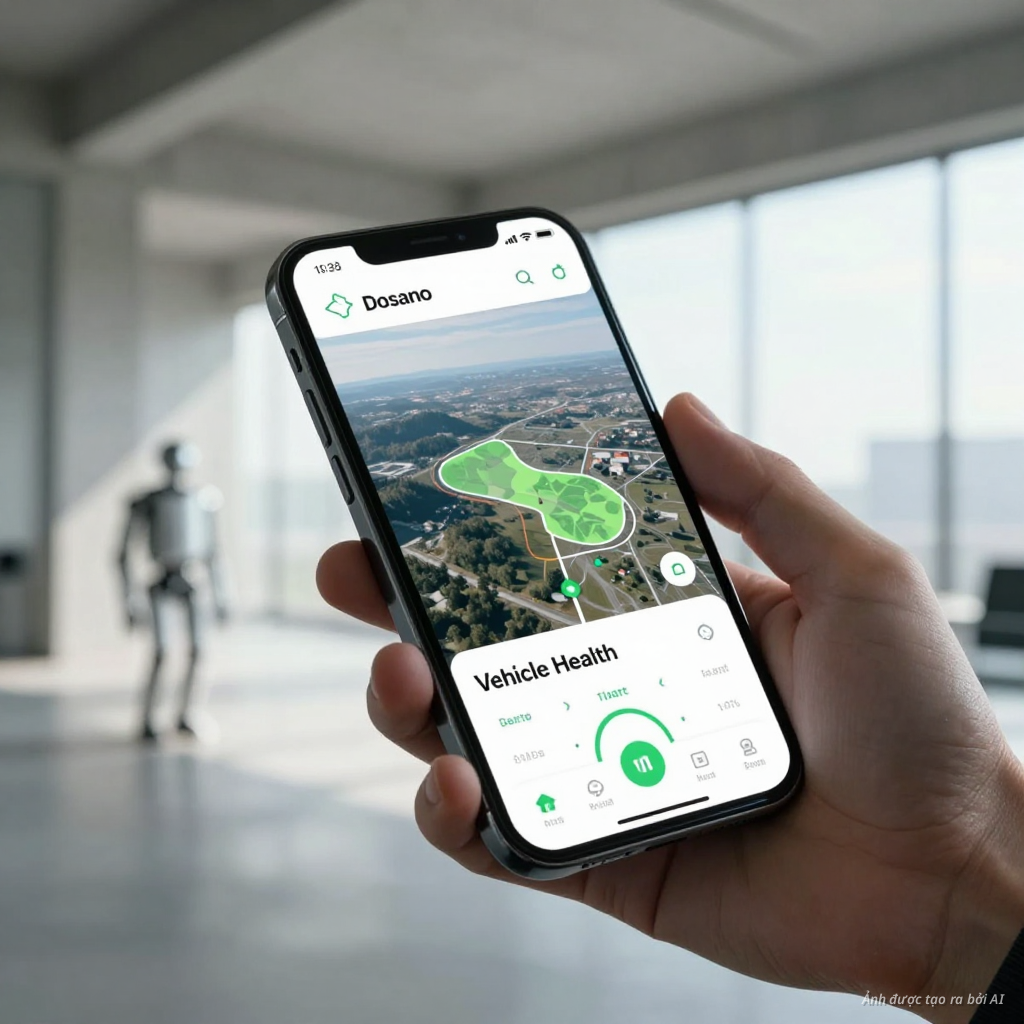
Predictive maintenance is a game-changer for vehicle longevity. Instead of relying on fixed service intervals, applications can analyze real-time data to alert users about oil life, brake wear, or battery health. This proactive approach helps understand the key differences in electric vehicle maintenance versus gas cars, ensuring optimal performance.
Diagnostic trouble codes (DTC) should be translated into user-friendly language. Rather than showing a cryptic code, the app should explain the issue and suggest the next steps. This empowers the driver and builds trust in the digital platform [1].
Driver behavior and safety analytics
Safety is the top priority for any automotive application. Developers can integrate telemetry scoring to monitor harsh braking, rapid acceleration, and sharp cornering. These insights encourage safer driving habits over time [3].
Automated collision detection is a critical safety feature. By utilizing the vehicle’s accelerometer and airbag deployment sensors, the app can instantly notify emergency services. This rapid response capability can save lives in critical situations.
The rise of electric vehicle management
Electric vehicles (EVs) require a unique set of management tools. Developers must focus on state-of-charge monitoring and smart charging schedules. By integrating with global telematics tracking systems, apps can help users find compatible charging stations and manage energy costs effectively [3].
Smart charging management allows users to charge during off-peak hours. This reduces the strain on the electrical grid and lowers electricity bills for the vehicle owner. It is a vital feature for the growing population of EV drivers.
Security and data privacy standards
Security is non-negotiable when dealing with connected vehicles. Developers must implement robust authentication methods like OAuth 2.0 to prevent unauthorized access. End-to-end encryption for all data transmissions is also mandatory to protect user privacy [1].
Compliance with international standards such as ISO/SAE 21434 is essential for modern automotive software. Furthermore, developers must adhere to data protection regulations like GDPR or CCPA. Protecting location data and personal user information builds long-term brand loyalty.
Future trends in automotive software
The industry is rapidly shifting toward software-defined vehicles. OEMs are increasingly using mobile apps to monetize features through over-the-air (OTA) updates. This creates a recurring revenue model for manufacturers and developers alike [1].
Integration with smart home ecosystems is another emerging trend. Imagine your car automatically opening your garage door or adjusting your home thermostat as you approach. These seamless integrations will define the next generation of smart vehicle management.
Conclusion
Developing applications for smart vehicle management is a complex but rewarding challenge. By focusing on connectivity, security, and user-centric features, developers can significantly enhance the driving experience. As technology evolves, the integration between mobile devices and vehicles will only become more seamless and intuitive [2].
Stay updated with the latest industry research to ensure your applications remain at the forefront of innovation. The future of the automotive experience is mobile, and developers are the ones building the bridge to that future.
More Information
- Telematics: The integrated use of telecommunications and informatics for application in vehicles and to control vehicles on the move, enabling the collection of real-time data [1].
- OBD-II: A standardized hardware interface in vehicles that allows for the monitoring and diagnosis of vehicle health, engine performance, and emissions systems [2].
- CAN bus: A robust vehicle bus standard designed to allow microcontrollers and devices to communicate with each other in applications without a host computer [3].
- Geofencing: A location-based service in which an app uses GPS or RFID to trigger a pre-programmed action when a mobile device enters or exits a virtual boundary [2].
- Software-defined vehicle: A vehicle whose features and functions are primarily enabled through software, allowing for continuous updates and improvements over the vehicle’s lifecycle [1].