
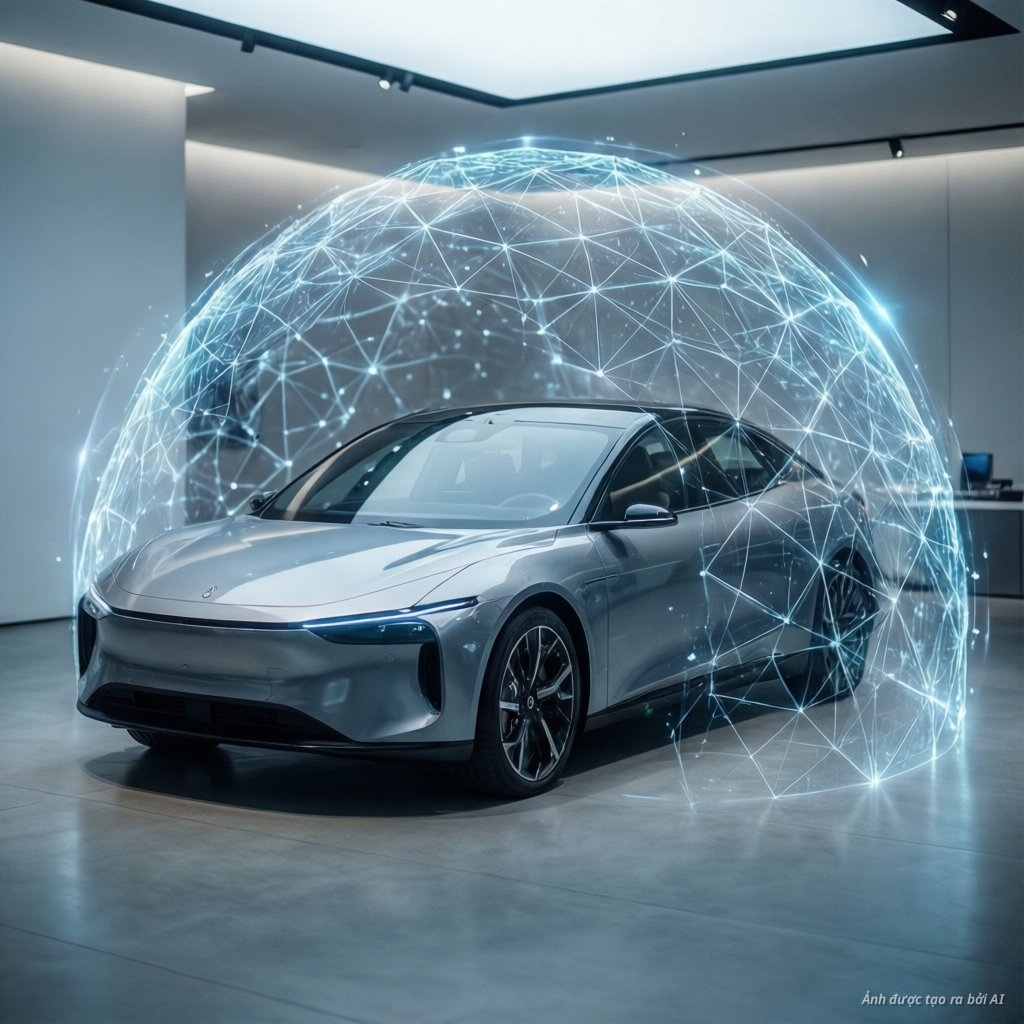
The global automotive landscape is evolving at an unprecedented pace. As we approach 2026, the insurance sector must adapt to rapid technological shifts. Insurers are moving away from traditional annual policies toward dynamic, data-driven coverage solutions [3].
Modern vehicle technology now dictates risk profiles more than ever before. Companies that fail to integrate artificial intelligence and real-time data risk falling behind in a competitive market [5].
The rise of telematics and usage-based insurance
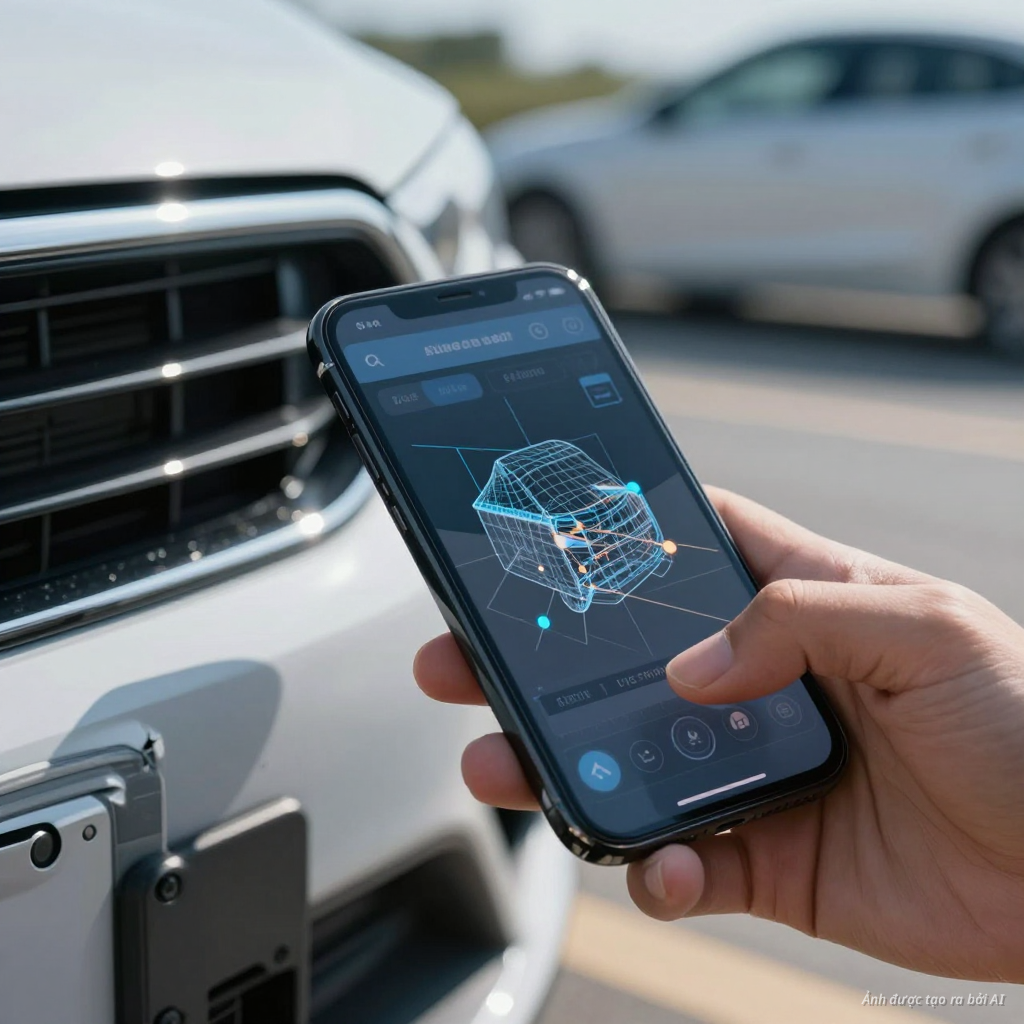
Telematics has transitioned from a niche feature to a industry standard. Insurers are now shifting from simple mileage-based models to sophisticated behavior-based systems [1]. This usage-based insurance market growth is fueled by direct integration with vehicle sensors.
Instead of relying on aftermarket dongles, carriers now partner directly with OEMs. This allows for precise monitoring of acceleration, braking, and cornering speeds. These insights enable dynamic pricing that rewards safe drivers with lower premiums in real time.
Specialized coverage for electric vehicles
Electric vehicles (EVs) require a fundamentally different approach to risk assessment. Repair costs for EVs remain significantly higher than traditional internal combustion engine vehicles [2]. This is largely due to expensive battery components and specialized labor requirements.
New product packages in 2026 focus on these specific vulnerabilities. Coverage now includes:
- High-voltage battery replacement and repair.
- Specialized flatbed towing to prevent drivetrain damage.
- Cyber protection against software hacking and glitches during over-the-air updates.
Insurers are also exploring understanding the key differences in electric vehicle maintenance versus gas cars to refine their underwriting models. By doing so, they provide better value to the growing demographic of EV owners.
The growth of embedded insurance
The traditional insurance buying process is becoming obsolete. By 2026, many customers will purchase coverage directly at the point of sale. This auto insurance market shift integrates policies into the vehicle purchase or lease agreement.
OEMs are increasingly acting as insurance providers or strategic partners. This seamless experience reduces friction for the consumer. It also ensures that the vehicle is covered from the moment it leaves the dealership floor.
AI-driven claims and automation
Artificial intelligence is revolutionizing the claims process. Computer vision now allows for near-instant damage assessment through mobile photo uploads [4]. This technology significantly reduces the time between an accident and a payout.
Predictive fraud detection models also play a critical role. By analyzing historical claims data, machine learning algorithms can flag suspicious activity before settlement occurs. This improves operational efficiency and protects the financial health of the insurer [5].
Liability in the age of autonomous systems
The rise of advanced driver assistance systems (ADAS) is changing the legal landscape. As vehicles take over more driving tasks, liability shifts from the driver to the manufacturer. This trend forces insurers to rethink their property and casualty insurance strategies.
Future policies will likely feature a blend of personal liability and product liability coverage. This evolution reflects the transition toward higher levels of vehicle autonomy. Insurers must prepare for a future where software malfunctions are a primary cause of accidents.
Future-proofing the insurance business
Success in 2026 requires a commitment to digital transformation. Insurers should prioritize partnerships with technology providers to access better data. By leveraging AI-based collision warning systems: a guide for automotive manufacturers, companies can better understand risk factors before they result in claims.
The industry must remain agile. As vehicle technology continues to advance, insurance products must keep pace. Those who embrace innovation will lead the market in the coming years.
More Information
- Usage-based insurance (UBI): A type of coverage where premiums are calculated based on real-time driving data, such as mileage, speed, and braking habits, rather than static demographic information.
- Embedded insurance: The integration of insurance products directly into the purchase process of another product or service, such as buying car insurance through a vehicle manufacturer’s website.
- Telematics: The technology of sending, receiving, and storing information relating to remote objects, like vehicles, via telecommunication devices to monitor performance and safety.
- Computer vision: A field of artificial intelligence that trains computers to interpret and understand the visual world, used in insurance for automated damage assessment from photos.
- Straight-through processing (STP): A digital process that allows for the full automation of insurance claims, enabling faster payouts without human intervention for low-complexity cases.