
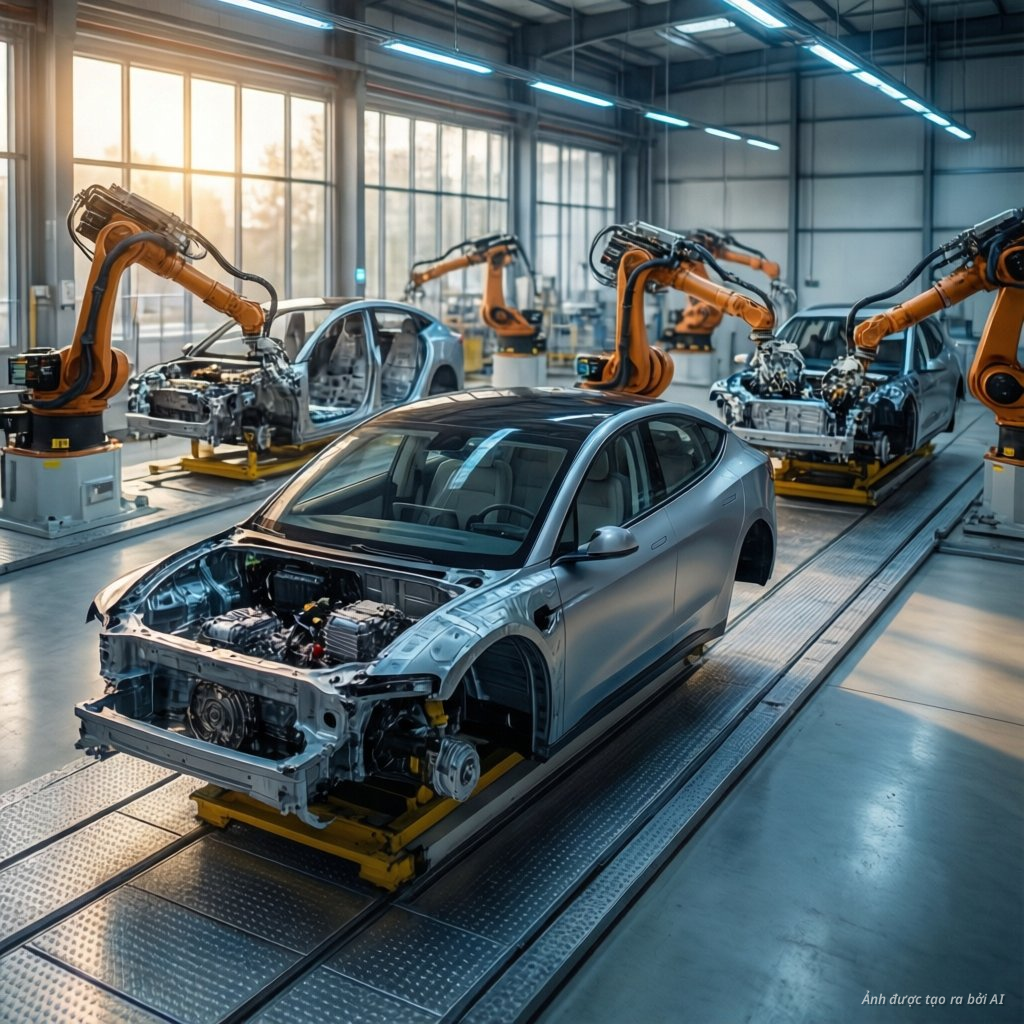
The global automotive industry is undergoing a profound transformation as it shifts toward electric mobility. While battery recycling often dominates the conversation, the Global EV Outlook 2024 highlights that the entire powertrain ecosystem requires urgent attention [1]. Manufacturers must now adopt circular economy principles to ensure long-term sustainability and supply chain security.
Adopting circularity means moving away from the traditional “take-make-dispose” model. By integrating design for disassembly and remanufacturing, companies can significantly reduce their reliance on virgin raw materials. This shift is essential for meeting both environmental targets and emerging regulatory requirements [4].
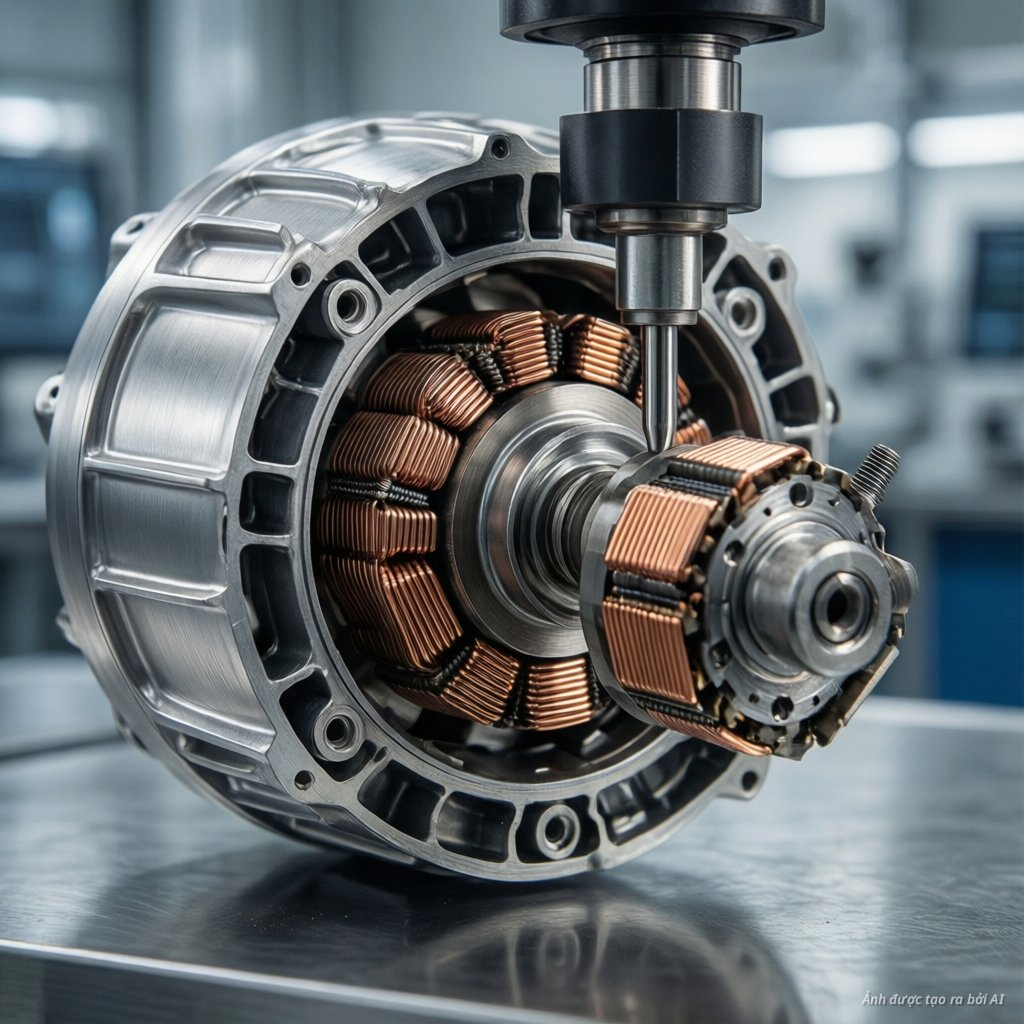
The challenge of rare earth elements in motors
Electric motors rely heavily on permanent magnets containing rare earth elements like neodymium and dysprosium. Currently, over 90% of these materials are lost at the end of a vehicle’s life [2]. This represents a massive waste of high-value resources.
New technologies are changing this narrative. Methods such as hydrogen processing of magnet scrap allow for the recovery of these elements without degrading their magnetic performance [2]. By implementing these advanced recycling techniques, manufacturers can secure a stable supply of critical minerals. This reduces dependence on volatile global markets.
Remanufacturing as a competitive advantage
Remanufacturing goes beyond simple repair. It involves restoring used electric motors to original equipment manufacturer (OEM) specifications. This process can reduce embedded carbon emissions by up to 80% compared to producing a brand-new motor [4].
Leading suppliers are already investing in this space. For example, some companies have launched dedicated circular electronics labs to test and refurbish complex power electronics [3]. These facilities extend the lifecycle of inverters and converters while preserving precious metals like gold and palladium.
Design for disassembly is the foundation
Circular economy success starts at the drawing board. Engineers must prioritize design for disassembly (DfD) to make component recovery feasible. This involves replacing permanent adhesives with mechanical fasteners wherever possible [5].
When parts are easier to separate, recycling rates improve dramatically. This is particularly important for structural components and thermal management systems. By simplifying the sustainable electric vehicle design through lightweight materials and disassembly, manufacturers can ensure that aluminum housings and plastic casings are easily reclaimed.
Closing the loop on structural materials
Aluminum is a cornerstone of lightweight EV construction. Closed-loop recycling of this metal is highly efficient. Reclaiming scrap from frame stampings requires 95% less energy than producing primary aluminum [4].
Manufacturers should establish internal collection networks to capture this scrap. By feeding it back into the production line, companies lower their Scope 3 carbon footprint. This strategy aligns with global circular mobility initiatives that emphasize resource efficiency [5].
Regulatory drivers and the future
Governments are increasingly mandating circular practices. The EU Critical Raw Materials Act is a prime example, setting ambitious targets for recycled content in strategic components [1]. Compliance will soon require digital product passports to track material history.
These regulations are not just hurdles; they are catalysts for innovation. Companies that master the role of AI in electric vehicle lifecycle management, forecasting, and optimization will lead the market. They will be better prepared to navigate the complexities of reverse logistics and material tracking.
Strategic steps for manufacturers
To succeed, manufacturers must take a holistic approach to circularity. This includes several key actions:
- Investing in advanced hydrometallurgical extraction for rare earth elements.
- Standardizing component designs to facilitate easier repair and remanufacturing.
- Partnering with specialized firms to build robust reverse logistics networks.
- Adopting digital tracking tools to monitor the lifecycle of every major component.
The transition to a circular economy is a long-term commitment. However, the benefits are clear. Reduced material costs, lower carbon emissions, and increased supply chain resilience make circularity a non-negotiable strategy for the modern automotive manufacturer.
More information
- Rare earth elements: A group of seventeen chemical elements used in high-performance permanent magnets for electric motors, essential for modern powertrain efficiency and currently subject to significant supply chain risks [1].
- Hydrogen processing of magnet scrap: A specialized recycling technology that uses hydrogen to break down magnet structures, allowing for the recovery of rare earth materials without losing their magnetic properties [2].
- Remanufacturing: An industrial process that restores used, worn, or damaged components to their original OEM performance standards, significantly lowering energy consumption compared to new production [3].
- Design for disassembly: A design philosophy that prioritizes the use of mechanical fasteners over adhesives, ensuring that products can be easily taken apart for repair, reuse, or recycling [4].
- Closed-loop recycling: A production system where waste materials from the manufacturing process or end-of-life products are collected and re-processed into new, high-quality components [5].