

The global automotive industry is undergoing a profound transformation. For years, the electric vehicle (EV) market followed a model of total replacement when components failed. However, this approach is becoming unsustainable for both consumers and the environment.
We are now seeing a shift toward a repair, remanufacture, and upgrade paradigm. This change aims to extend the lifespan of vehicles rather than sending them to the scrapyard prematurely. Scrapped EVs with minor damage are driving a necessary push for better battery repairability across the globe [1].
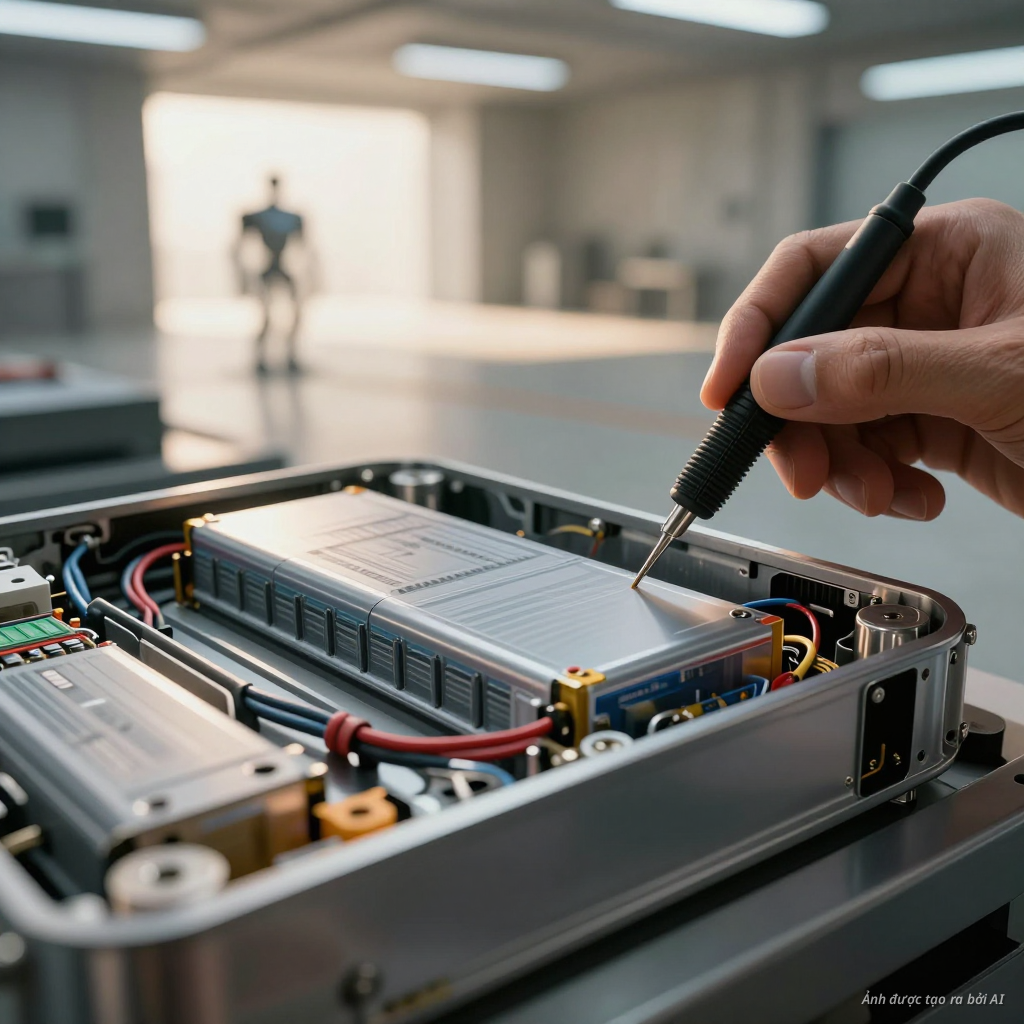
The economic necessity of repair
Battery packs often account for 30% to 50% of an EV’s total retail value. When a pack fails out-of-warranty, the cost can range from $5,000 to $20,000. This high price tag frequently leads insurance companies to write off vehicles with only minor damage [4].
Independent repair networks are now stepping in to change this narrative. By offering module-level repairs, these shops can replace a single faulty module instead of the entire pack. This strategy significantly lowers the total cost of ownership for the average driver.
Modular design versus structural integration
The technical landscape is currently split between two major design philosophies. Structural batteries, or cell-to-chassis designs, offer higher energy density and reduced manufacturing costs. Unfortunately, these designs are often glued shut, making them nearly impossible to repair without destroying the enclosure [5].
Conversely, modular battery designs prioritize serviceability. These systems use removable fasteners and accessible wiring, allowing technicians to isolate and swap out individual failed cells. Consumer advocacy groups are now pressuring manufacturers to return to these more sustainable design standards.
Extending vehicle life through upgrades
Repairing broken parts is only one piece of the puzzle. Forward-thinking companies are also developing ways to upgrade older EVs. For instance, startups are creating drop-in replacement modules that feature newer, higher-density battery chemistry [3].
These upgrades allow owners to increase their vehicle’s range beyond its original factory specifications. Furthermore, software-enabled refurbishment can help re-balance battery management systems (BMS). By updating firmware, older vehicles can recover lost performance metrics without any physical hardware changes.
Regulatory shifts and the right to repair
Policy is finally catching up to technological needs. The European Union has introduced the Battery Regulation 2023/1542, which mandates that batteries must be designed for easy remanufacturing and refurbishment [2].
This regulation also introduces the “battery passport” system. This tool provides independent repairers with essential data on state-of-health and capacity history. In the United States, similar “right to repair” laws are expanding at the state level to ensure shops have access to unencrypted diagnostic tools.
Environmental impact and circular economy
The move toward repairability is a major win for the circular economy. By fixing components at the module level, we prevent tons of valuable raw materials like lithium and cobalt from entering landfills. You can learn more about a cost-benefit analysis of electric vehicle battery recycling to understand the wider implications of these efforts.
When modules are no longer suitable for vehicle use, they often find a second life. These units are frequently reassembled into stationary energy storage systems for solar networks. This cascading reuse strategy maximizes the utility of every battery cell produced.
Overcoming industry barriers
Despite the progress, significant challenges remain. High-voltage systems require specialized training and safety equipment to prevent accidents. Furthermore, many manufacturers continue to use proprietary software to lock down their battery management systems.
Standardization is another critical hurdle. Without consistent pack sizes and connection protocols across different brands, independent repair remains difficult to scale. Industry leaders must collaborate to create universal standards that benefit the entire ecosystem.
Conclusion
The future of the electric vehicle industry lies in longevity. Transitioning away from a disposable culture toward a model of repair and upgrade will define the next decade of automotive service. By supporting modular designs and right-to-repair legislation, we can ensure that electric vehicles remain a sustainable choice for generations to come. For those interested in the broader lifecycle, exploring comprehensive life cycle assessment of electric vehicles provides further context on why these maintenance strategies are vital.
More Information
- Battery passport: A digital document that records the state-of-health, capacity history, and material composition of an EV battery to facilitate easier repair, recycling, and second-life applications [2].
- Modular battery design: An architecture where battery packs are composed of swappable, independent modules, allowing for component-level repair rather than full pack replacement [5].
- Structural battery: A design where the battery cells are integrated into the chassis of the vehicle to improve energy density, often making the pack non-serviceable [5].
- State-of-health (SoH): A measurement that reflects the current condition of a battery compared to its original, brand-new state, often used to determine if a battery needs repair or replacement [2].
- Second-life application: The process of repurposing used EV battery modules for stationary energy storage, such as residential or commercial solar backup systems, after they are no longer suitable for driving [4].