
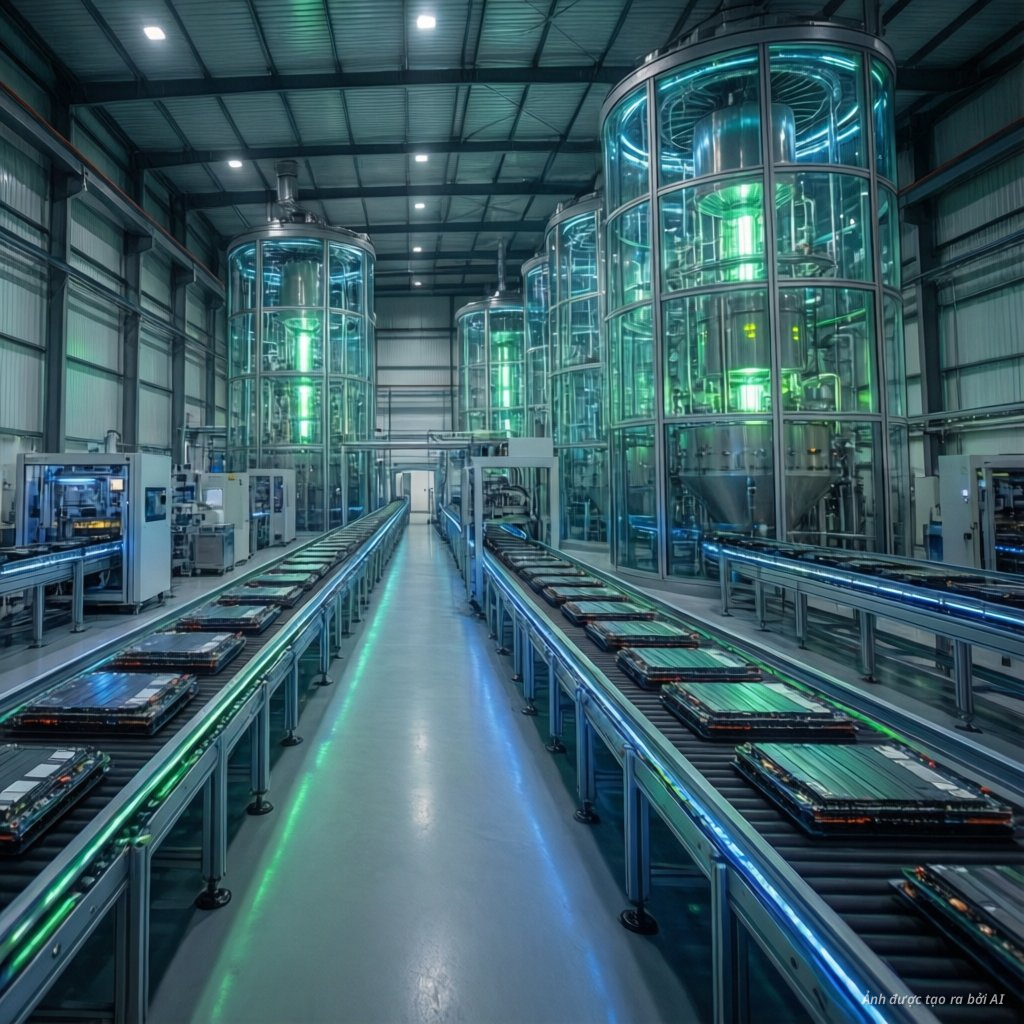
The global transition toward sustainable transportation relies heavily on the electrification of vehicles. As the number of electric vehicles (EVs) on the road grows, so does the volume of lithium-ion batteries reaching their end-of-life stage. Consequently, stakeholders are increasingly focused on circular economy for ev batteries: strategies for recycling and reuse to manage this transition.
Analysts now view battery recycling as a critical pillar for long-term supply chain stability. By recovering high-value metals, the industry can reduce its reliance on volatile mining markets. This McKinsey & Company report highlights that the recycling value chain could generate over $95 billion annually by 2040 [1].

The cost structure of battery recycling
Recycling EV batteries involves significant operational expenditures (OpEx) that analysts must carefully evaluate. The process is generally divided into four distinct cost pillars. Logistics and transport represent the initial hurdle, often accounting for 20% to 35% of total costs [2]. Because lithium-ion batteries are classified as hazardous materials, they require specialized fireproof packaging and rigorous thermal monitoring during transit.
Disassembly and pre-treatment follow, consuming roughly 15% to 25% of the total budget. This stage involves mechanical shredding to produce “black mass,” a concentrated powder containing essential minerals. The most capital-intensive phase is refining, which accounts for 30% to 40% of costs [3]. Whether using pyrometallurgy or hydrometallurgy, the energy or chemical reagent requirements remain substantial.
Evaluating the benefits and revenue potential
The primary economic benefit of recycling is the recovery of valuable commodities. Hydrometallurgical processes can achieve recovery rates exceeding 95% for nickel and cobalt [4]. These recovered materials serve as a secondary feedstock for new battery production. This creates a closed-loop system that mitigates the risks associated with raw material price fluctuations.
Beyond direct revenue, recycling offers significant strategic value. It reduces greenhouse gas emissions by 30% to 50% compared to traditional mining operations [5]. Furthermore, as noted by the International Energy Agency, localized recycling hubs enhance supply chain security. This shift reduces geopolitical dependency on concentrated refining regions.
Comparing recycling technologies
Choosing the right technology is essential for economic viability. Pyrometallurgy, or smelting, is a mature process but often results in the loss of lithium into the slag. Conversely, hydrometallurgy is highly efficient for lithium recovery but requires intensive wastewater treatment [3]. Emerging direct recycling methods aim to preserve the cathode crystal structure, potentially offering the lowest environmental footprint.
Analysts should look closely at investing in electric vehicle battery recycling infrastructure: opportunities and challenges. While CapEx for these facilities is high, the long-term regulatory landscape supports their growth. Policies like the EU Battery Regulation mandate specific recovery efficiency targets for lithium, nickel, and cobalt by 2031 [4].
Economic risks and market volatility
Despite the growth potential, several risks remain for investors. Feedstock volatility is a major concern, as supply depends on vehicle lifespan and scrap rates. Additionally, the industry is shifting toward lithium iron phosphate (LFP) chemistries. Because LFP batteries contain no cobalt or nickel, the intrinsic value of the recovered material is lower, requiring more cost-effective processing methods [2].
The pricing of black mass also fluctuates based on global commodity spot prices. Non-integrated recyclers face margin compression if they cannot secure stable pricing contracts. Therefore, vertical integration between automotive manufacturers and recyclers is becoming a common strategy to hedge against these market dynamics [1].
Strategic outlook for the industry
The battery recycling sector is moving from a nascent industry to a critical industrial component. As the volume of end-of-life batteries increases after 2030, economies of scale will likely drive down unit costs. Analysts should prioritize companies that demonstrate high recovery efficiency and flexible processing capabilities [5].
Ultimately, the success of the circular battery economy depends on policy support and technological innovation. By aligning financial incentives with environmental mandates, the global market can ensure a sustainable future for electric mobility. Continued investment in advanced modeling tools will be essential for tracking these costs accurately [3].
More Information
- Black mass: A concentrated mixture of crushed battery materials, including nickel, cobalt, lithium, and manganese, produced after the initial mechanical processing and shredding of spent electric vehicle batteries.
- Hydrometallurgy: A recycling process that uses aqueous chemical solutions to leach and extract specific metals from battery components, known for high recovery rates of lithium and other critical minerals.
- Pyrometallurgy: A thermal recycling method that uses high-temperature smelting to recover metals from batteries, traditionally effective for nickel and cobalt but often resulting in the loss of lithium.
- Feedstock: The raw material input for a recycling facility, which in the context of EVs consists of manufacturing scrap from giga-factories or end-of-life battery packs from decommissioned vehicles.
- Closed-loop supply chain: A production model where materials from end-of-life products are recovered and reintroduced into the manufacturing process, reducing the need for virgin raw material extraction.