
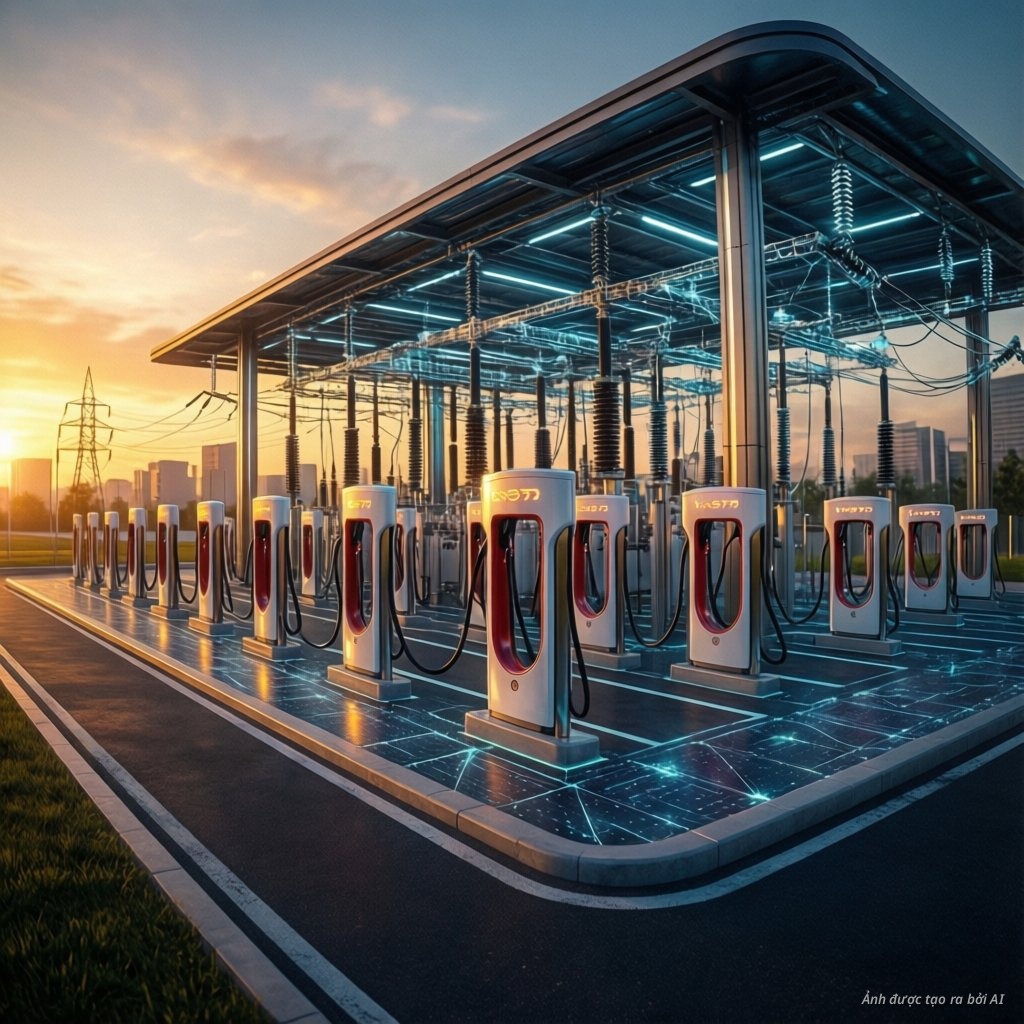
The global transition toward electric mobility is accelerating at an unprecedented pace. According to the International Energy Agency, electric vehicle sales surpassed 14 million units in 2023 [1]. This shift promises a cleaner transportation sector but places significant pressure on existing power infrastructure.
Energy companies must now confront the reality of increased electricity demand. While EVs represent a manageable portion of total generation, their impact is highly localized [2]. Strategic planning is essential to prevent network strain and ensure long-term grid reliability.
The challenge of peak load demand
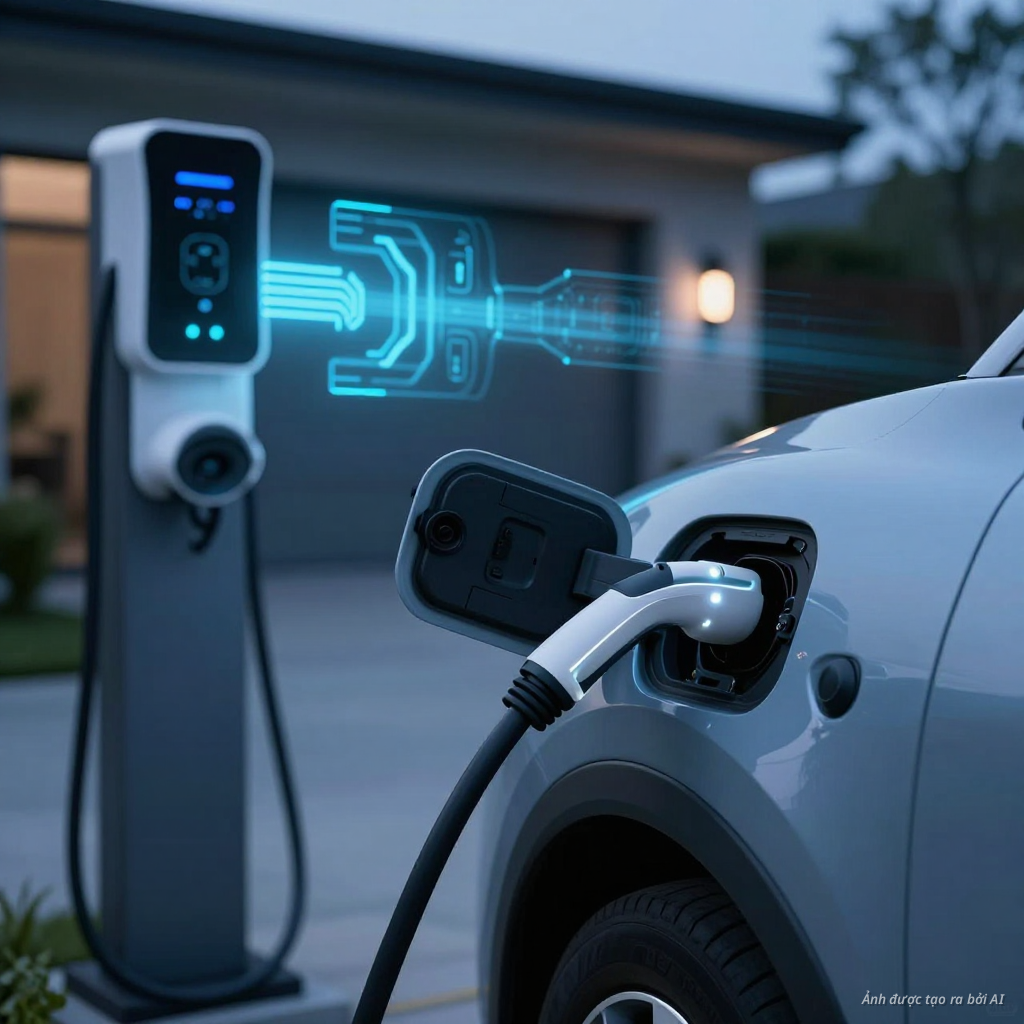
One of the primary concerns for utility providers is the timing of charging sessions. Many EV owners prefer to charge their vehicles immediately upon returning home from work. This behavior creates a surge in demand between 5:00 PM and 9:00 PM [3].
This timeframe often overlaps with existing residential peak hours. When multiple households charge simultaneously, local distribution transformers face severe thermal stress [4]. Such conditions can accelerate equipment degradation and increase the risk of localized power outages.
Infrastructure strain from high-power charging
The rise of high-power DC fast charging stations introduces further complexity. These units can draw massive amounts of power in very short bursts [3]. Connecting these hubs to the grid requires significant upgrades to local substations and distribution lines.
Energy providers must evaluate the capacity of their current feeders. Without proper reinforcement, the deployment of ultra-fast chargers along highways could destabilize local segments of the grid. Smart electric vehicle charging management software can help mitigate these risks by balancing load distribution effectively.
Power quality and grid stability
EV chargers are sophisticated pieces of power electronics. They can introduce harmonic distortion into the electrical system, which affects power quality [2]. Utility operators must implement advanced filtering equipment to maintain stable voltage levels.
Furthermore, residential charging often occurs on single-phase connections. This can lead to phase imbalances in three-phase distribution systems. Such imbalances reduce overall grid efficiency and require proactive monitoring by distribution system operators.
Smart charging as a strategic solution
Managed charging, or V1G, offers a practical path forward. By utilizing time-of-use electricity tariffs, providers can incentivize off-peak charging [1]. This approach shifts demand away from critical peak periods, effectively flattening the load curve.
Automated load management systems allow utilities to throttle charging speeds in real-time. These systems provide a buffer against sudden grid spikes. By integrating BloombergNEF research into their operational models, companies can better predict future capacity needs.
The potential of vehicle-to-grid technology
Vehicle-to-grid (V2G) technology transforms electric vehicles from passive loads into active grid resources. Parked EVs can function as mobile battery energy storage systems [2]. They can feed stored energy back into the grid during emergency outages or extreme demand surges.
This bidirectional flow supports frequency regulation and voltage stabilization. However, widespread adoption requires clear financial compensation models for vehicle owners. Addressing concerns regarding battery degradation is also essential for the long-term viability of V2G programs.
Integrating renewable energy sources
Electric vehicles can act as a flexible load for intermittent renewable energy. They are capable of absorbing surplus power during peak solar or wind production hours [3]. This integration reduces the need for renewable energy curtailment.
Charging stations paired with stationary battery energy storage systems (BESS) provide an additional layer of reliability [4]. These buffers allow for high-power charging without putting direct pressure on the central grid during peak demand. For those interested in the broader context of electric mobility, exploring Vietnam by electric vehicle: a guide to sustainable travel highlights how these infrastructure shifts impact real-world usage.
Future-proofing the energy landscape
Energy companies must adopt a proactive stance to manage the EV transition. Upgrading aging infrastructure is a necessary step, but it is not the only solution. Digitalization and smart grid technologies are equally important for modernizing the energy sector [5].
Collaboration between automotive manufacturers, utility providers, and policymakers is vital. By aligning incentives and technical standards, the industry can ensure that the grid remains robust. The goal is to support mass EV adoption while maintaining the highest standards of energy security and reliability.
More Information
- V1G (Managed Charging): A unidirectional charging strategy where the power utility or a third party controls the timing and speed of vehicle charging to align with grid capacity and off-peak demand periods.
- V2G (Vehicle-to-Grid): A bidirectional energy system where electric vehicles discharge stored electricity from their batteries back into the electrical grid to provide support during peak demand or grid instability.
- Peak Shaving: An operational strategy used by utility companies to reduce the maximum electricity demand on the grid, preventing overloading by shifting consumption to times of lower demand.
- BESS (Battery Energy Storage Systems): Stationary, large-scale battery installations used to store excess electricity, which can be deployed to stabilize the grid or provide power to high-demand charging stations.
- Distribution System Operator (DSO): The entity responsible for the operation, maintenance, and development of the local electricity distribution network, ensuring safe and efficient delivery of power to end-users.