
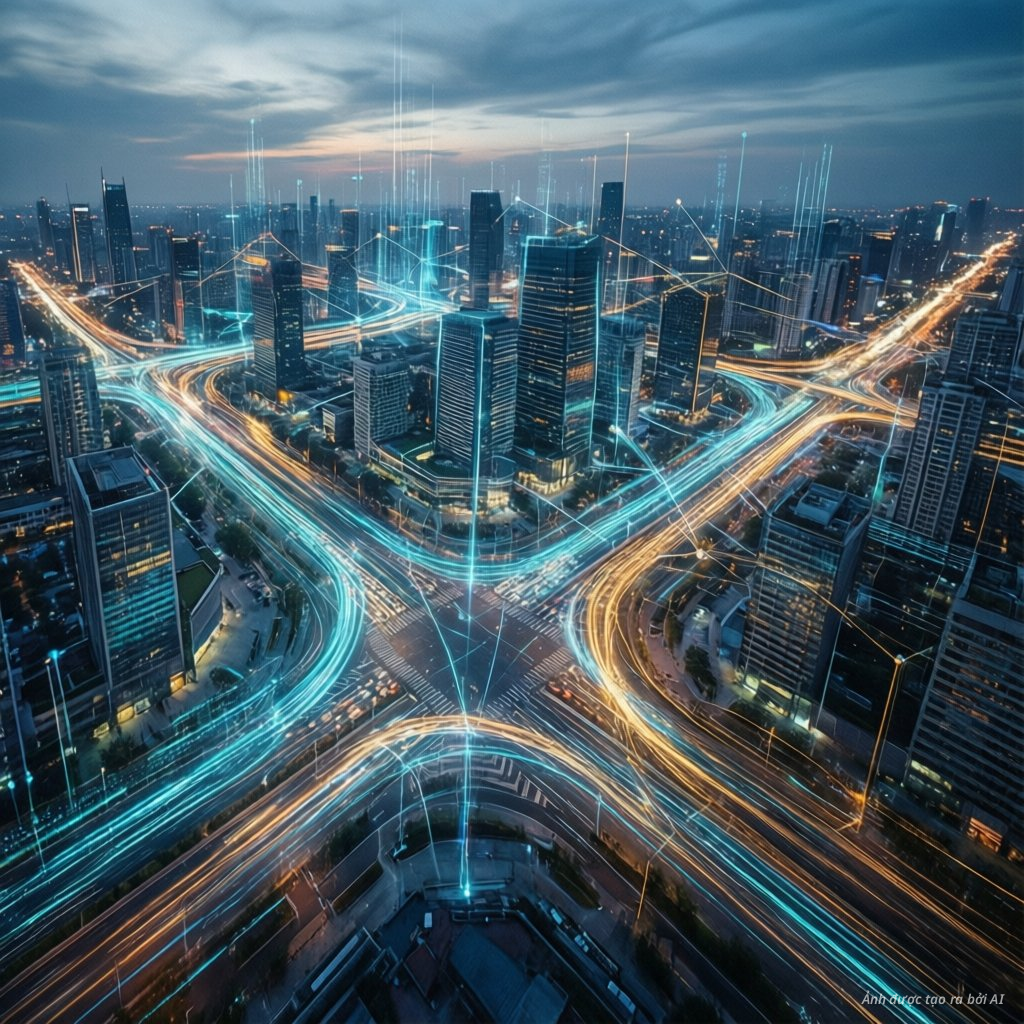
For professional drivers and daily commuters, traffic congestion is more than just a nuisance. It is a significant drain on time, fuel, and mental well-being. Every year, drivers in major metropolitan areas lose between 80 to 150 hours stuck in gridlock [1]. This reality creates a massive economic burden for individuals and logistics companies alike.
Fortunately, artificial intelligence is changing how we navigate our cities. By leveraging real-time data and predictive modeling, AI systems are actively reducing travel times and carbon footprints. As the smart traffic management market continues to grow, these technologies are becoming essential for modern urban mobility [3].
Understanding the role of predictive traffic modeling
Modern traffic management relies on sophisticated mathematics. Engineers now use graph neural networks to model road networks as dynamic systems [3]. These models treat intersections as nodes and road segments as edges. By analyzing spatial-temporal data, they can predict traffic flows up to 30 minutes in advance.
This predictive capability allows systems to anticipate bottlenecks before they happen. For the daily commuter, this means receiving a rerouting suggestion before the highway becomes a parking lot. It turns reactive driving into proactive navigation. You can learn more about how advanced driver assistance systems enhance road safety to see how these technologies integrate with your vehicle.
Adaptive traffic signals and reinforcement learning
Static traffic lights are a relic of the past. Today, deep reinforcement learning agents are taking control of city infrastructure. These AI agents observe queue lengths and vehicle speeds at every approach [5]. They then adjust signal timings in real time to maximize throughput.
Research indicates that these adaptive systems can cut intersection delays by 20% to 40% [3]. By reducing stop-and-go behavior, these systems also lower fuel consumption. This is a massive win for the environment and for professional drivers who pay for their own fuel.
Edge AI and computer vision in urban planning
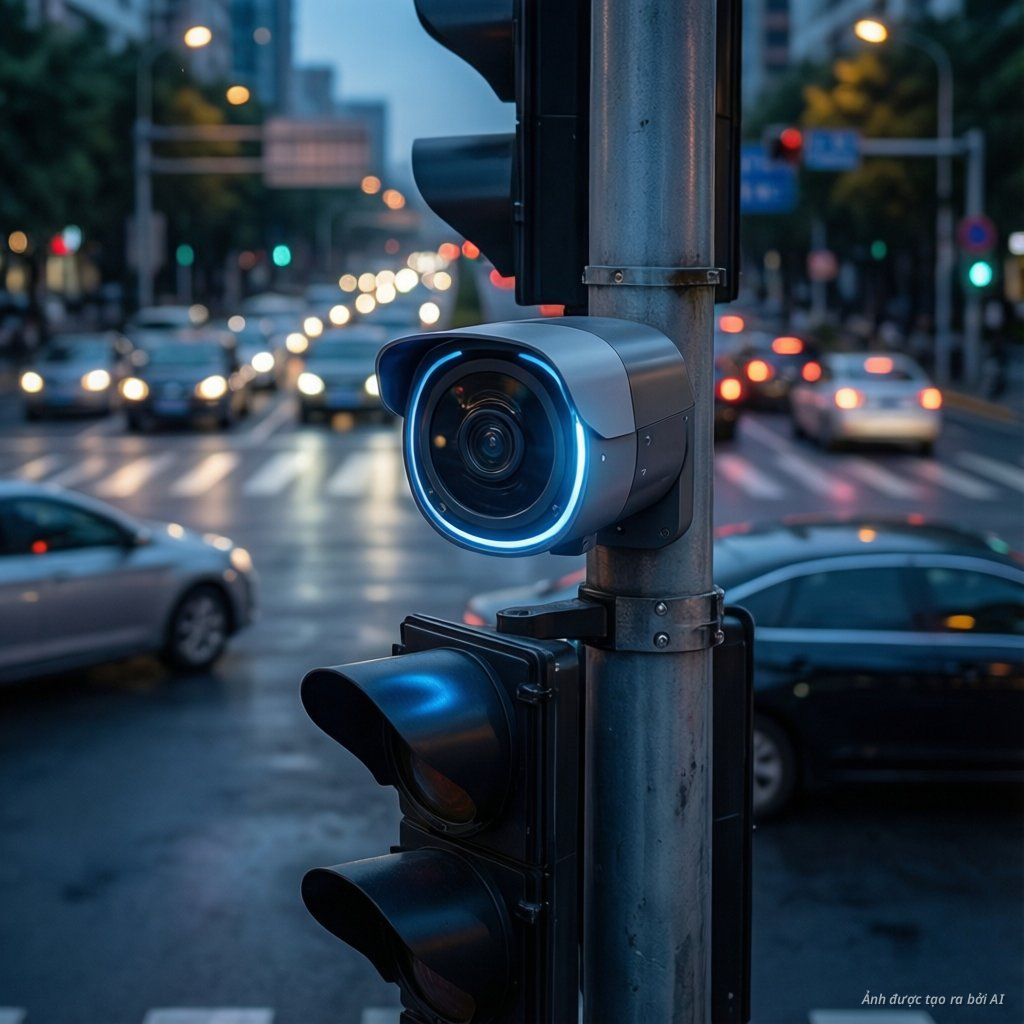
The hardware powering these improvements is often located directly at the scene. Using intelligent video analytics, cameras at intersections perform real-time vehicle counting and incident detection [4]. This data is processed locally, ensuring privacy and speed.
These systems can detect stalled vehicles or accidents within seconds. Once an incident is identified, the system automatically alerts traffic management centers. This rapid response helps clear lanes faster, keeping traffic moving smoothly for everyone on the road.
Dynamic routing beyond traditional algorithms
Traditional navigation apps often rely on static weights for roads. AI-enhanced routing is different. It evaluates multi-dimensional data, including weather conditions and historical patterns [2]. This approach prevents the “rerouting paradox” where everyone is sent to the same side street.
Instead, modern algorithms distribute traffic across multiple routes. This macroscopic view ensures that the entire city grid stays balanced. For fleet operators, this means more reliable delivery windows and lower operational costs. You might also be interested in smart AI predictive maintenance for modern vehicles to keep your fleet running efficiently.
The impact on logistics and professional driving
For those who drive for a living, efficiency is the bottom line. AI-driven route optimization tools help drivers minimize mileage and avoid idling. By reducing the number of left turns—which often require waiting for oncoming traffic—logistics platforms save significant time [1].
These optimizations lead to a 10% to 15% reduction in total mileage for delivery fleets [3]. This translates directly into higher earnings and less wear and tear on vehicles. As these systems improve, the gap between professional and amateur driving efficiency continues to widen.
Environmental benefits of smarter traffic
Traffic congestion is a major contributor to greenhouse gas emissions. When vehicles spend less time idling at red lights, the air quality in urban centers improves. AI-optimized routing reduces fuel consumption by an estimated 10% to 20% in monitored zones [3].
This is a critical step toward greener cities. By integrating real-time traffic telemetry with city planning, we create a more sustainable future. Every driver contributes to this goal simply by using AI-powered navigation tools [2].
Looking toward the future of mobility
The integration of AI into our roads is still in its early stages. As more vehicles become connected, the quality of data will increase. This will lead to even more precise predictions and smoother commutes. We are moving toward a future where “traffic jam” becomes a term of the past.
For now, drivers should embrace these tools. Whether you are commuting to work or delivering goods, AI is your best ally on the road. Stay informed, use the right technology, and enjoy a more efficient drive every day.
More Information
- INRIX Global Traffic Scorecard: A comprehensive annual report that analyzes traffic congestion in cities worldwide, providing data on time lost and economic impact for drivers and logistics providers.
- TomTom Traffic Index: A detailed analytical platform that aggregates GPS telemetry to provide real-time congestion indices and historical traffic patterns for major cities across the globe.
- Smart traffic management: The use of AI, IoT, and data analytics to monitor and control traffic flow, aiming to reduce congestion, improve safety, and lower environmental impact in urban areas.
- Edge AI: The deployment of artificial intelligence algorithms directly on hardware devices, such as cameras or sensors, to process data locally without needing to send it to a central cloud.
- Yunex Traffic: A leading provider of intelligent traffic systems that specializes in adaptive signal control and infrastructure hardware to optimize road network efficiency.