
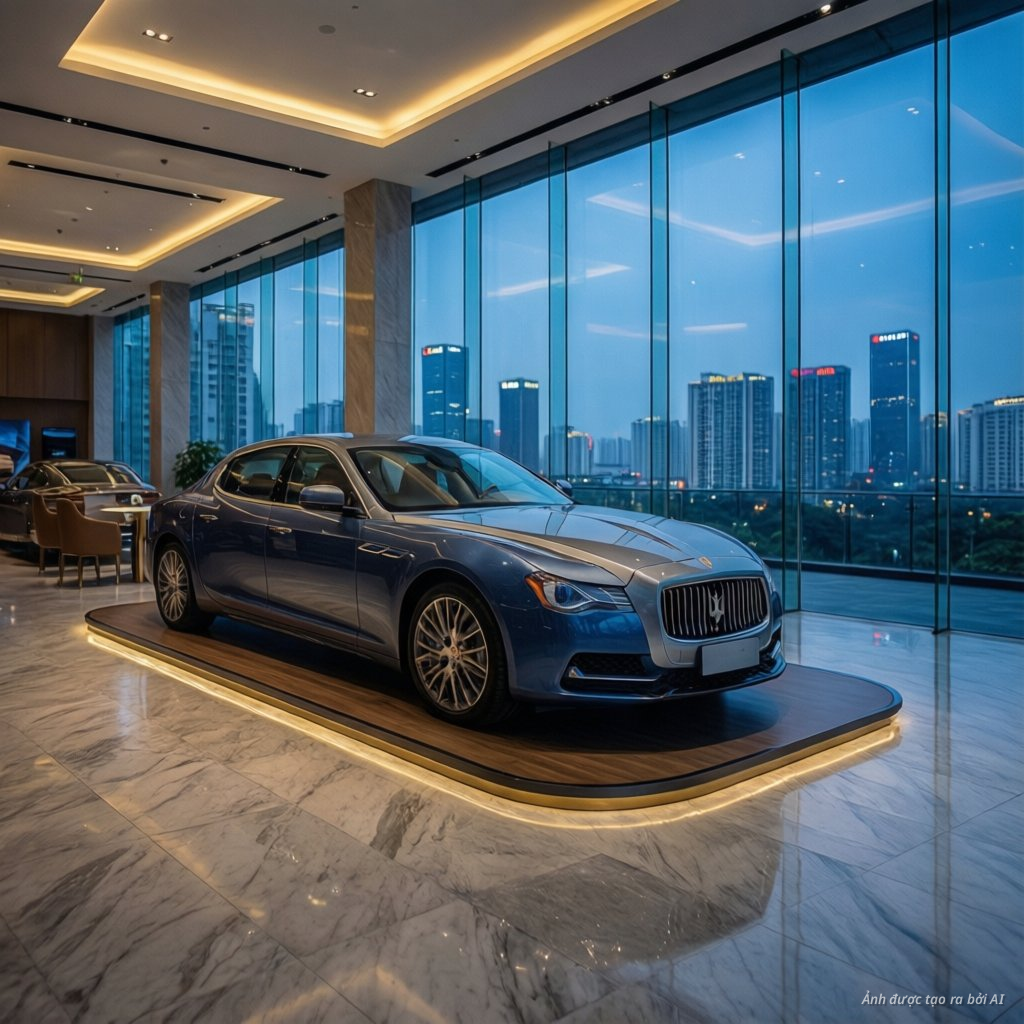
The automotive landscape in Vietnam is undergoing a significant transformation. As the economy grows, the demand for premium vehicles has surged among the rising middle and upper classes. Luxury brands now face a unique challenge in this dynamic market. They must balance global prestige with local preferences to maintain their competitive edge.
Understanding the nuances of the Vietnamese consumer is essential for any high-end automotive brand. These buyers do not merely purchase a vehicle; they invest in a status symbol and a lifestyle statement. Consequently, manufacturers must refine their engagement strategies to resonate with this sophisticated audience.[1]
The evolution of the premium automotive market
Vietnam’s luxury car market has evolved rapidly over the past decade. Previously, the market was dominated by a few established European players. Today, the landscape includes a diverse array of brands competing for attention. This shift is driven by increased disposable income and a growing appreciation for advanced technology.[2]
The future of automotive manufacturing: VinFast’s automated processes in Southeast Asia highlights how local production capabilities are changing expectations. Consumers now demand higher quality standards and better after-sales support. Brands that fail to adapt to these rising expectations risk losing market share to more agile competitors.
Understanding the Vietnamese luxury consumer
Vietnamese luxury car buyers are highly discerning. They value exclusivity, reliability, and brand heritage. However, they also prioritize localized services. For instance, personalized customer experiences are more effective than generic marketing campaigns.[3]
Digital transformation plays a crucial role in the customer journey. Most buyers conduct extensive research online before visiting a showroom. Therefore, a seamless digital presence is mandatory. Brands must provide comprehensive virtual tours and transparent pricing information to build initial trust.
Strategic pillars for market success
Attracting customers in this segment requires a multi-faceted approach. First, brands must invest in premium showroom experiences. These spaces should serve as lifestyle hubs rather than traditional sales floors. They offer a sense of belonging to an elite community.[4]
Second, after-sales service is a critical differentiator. Luxury buyers expect white-glove treatment. This includes concierge services, priority maintenance scheduling, and extended warranty programs. Such initiatives foster long-term loyalty and repeat purchases.
Leveraging technology and innovation
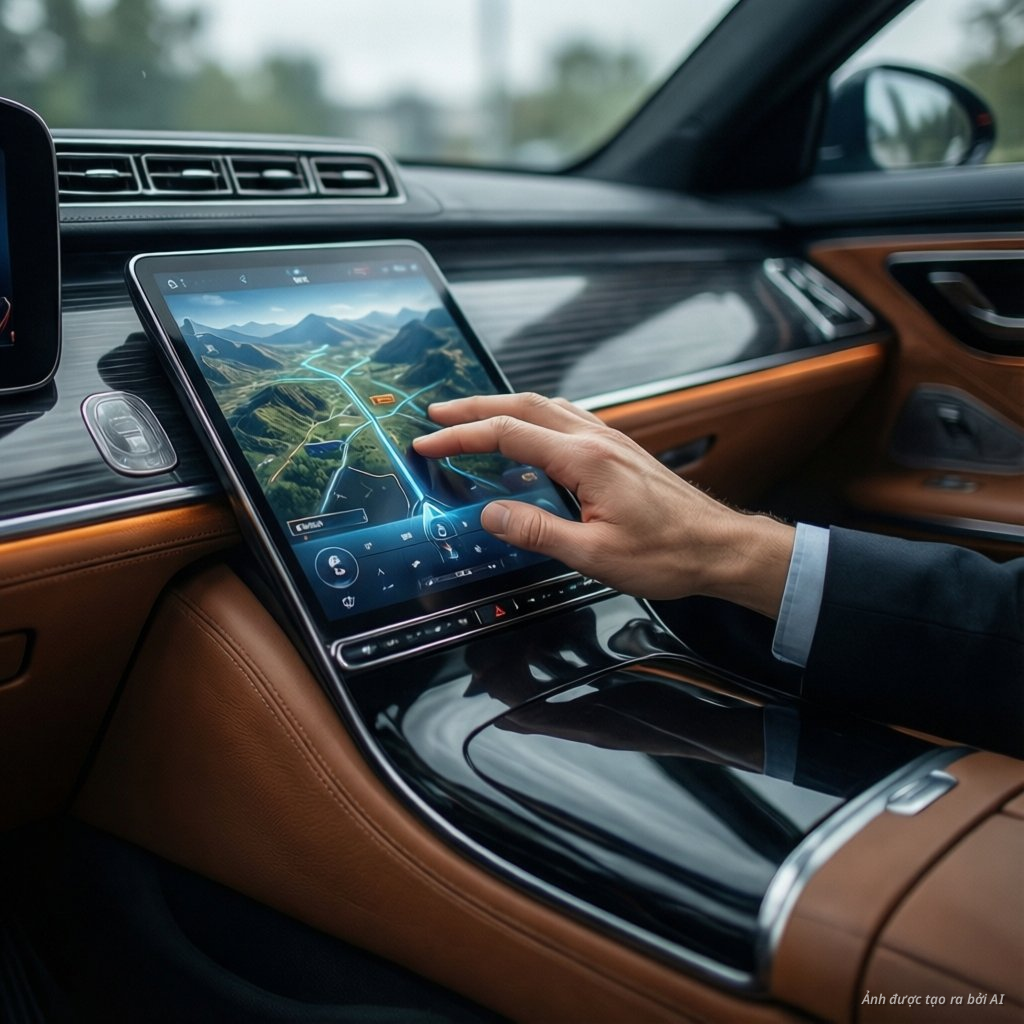
Modern luxury is synonymous with cutting-edge technology. Features like advanced driver assistance systems (ADAS) are becoming standard expectations. Brands that showcase their commitment to safety and innovation often gain a significant advantage.[5]
Furthermore, the understanding the VF7 advanced driver assistance systems and autonomous driving capabilities serves as a benchmark for how technology is integrated into the modern driving experience. Luxury brands must ensure their software ecosystems are intuitive and highly responsive to user needs.
Building brand community and exclusivity
Creating an exclusive community is a powerful strategy. Many luxury brands host private events, track days, and networking sessions for their owners. These activities reinforce the brand’s prestige and create strong emotional bonds with the customer base.
Influencer marketing also plays a role, albeit a nuanced one. Partnering with reputable figures who embody the brand’s values can enhance visibility. However, authenticity is paramount. The partnership must feel organic to the brand’s identity to be effective.
The impact of sustainability
Sustainability is no longer a niche concern for luxury buyers in Vietnam. There is a growing interest in electric vehicles (EVs) and eco-friendly manufacturing processes. Brands that highlight their commitment to the environment can appeal to younger, socially conscious affluent buyers.
By positioning luxury vehicles as both high-performance and environmentally responsible, manufacturers can capture a broader demographic. This shift aligns with global trends while meeting local aspirations for a modern, sustainable lifestyle.
Conclusion: the path forward
The luxury car market in Vietnam remains a landscape of immense opportunity. Success depends on a brand’s ability to blend global prestige with deep local market insights. By focusing on personalized service, technological innovation, and community building, luxury brands can secure their position in this competitive environment.
As the market continues to mature, those who prioritize the customer journey will undoubtedly lead the way. The future of luxury automotive in Vietnam is bright, provided brands remain agile and attentive to the evolving needs of their clientele.
More Information
- Luxury segment: A market category for high-end vehicles characterized by superior comfort, advanced technology, premium materials, and a higher price point compared to mass-market automobiles.
- Market penetration: The strategy of entering a specific market and increasing the market share of a product or service through targeted marketing and competitive positioning.
- Customer experience: The sum of all interactions a consumer has with a brand, from initial awareness and research to the purchase process and long-term after-sales support.
- Brand loyalty: The tendency of consumers to continue buying the same brand’s products, often driven by positive experiences, emotional connection, and perceived value over time.
- ADAS: Advanced Driver Assistance Systems, which are electronic systems in a vehicle that use sensors and cameras to assist the driver with safety and driving tasks.