
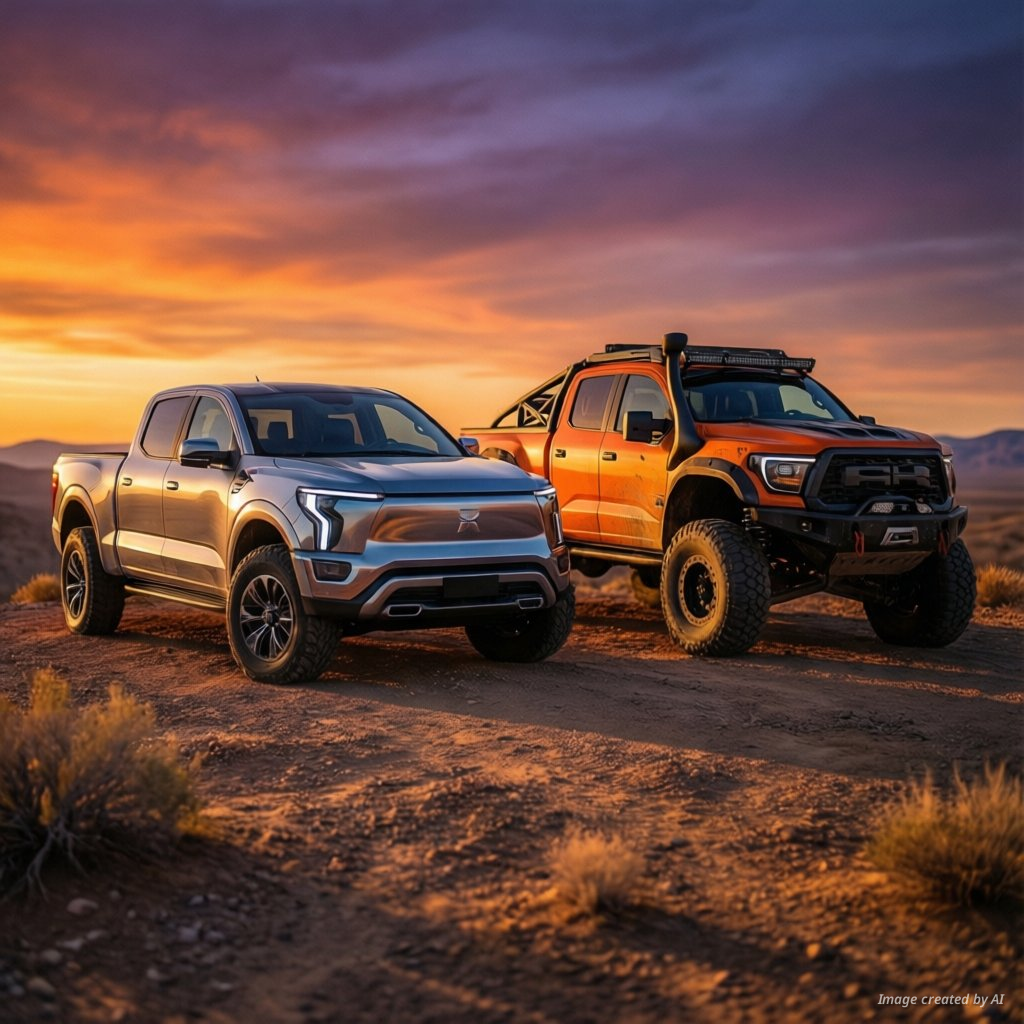
The automotive industry stands at a major crossroads. Legacy giants like Ford face bold challenges from emerging electric vehicle manufacturers like Vinfast. The comparison between the Vinfast VF Wild and the Ford Raptor represents this shift. One is a masterclass in internal combustion performance, while the other signals a bold electric future.
Truck enthusiasts have long prioritized raw power and towing capability. However, the market is now demanding sustainability without sacrificing utility. This evolution creates a fascinating rivalry between established off-road icons and innovative newcomers. Understanding how these two vehicles stack up is essential for any modern buyer.
The rise of electric utility vehicles
Electric trucks are no longer just experiments. They are becoming serious contenders for work and play. Vinfast has made significant strides in global markets, and the VF Wild concept highlights their ambition [1]. This vehicle aims to blend the versatility of a mid-size truck with the efficiency of an electric powertrain.
In contrast, the Ford Raptor is a legendary nameplate in the off-road world. It has defined high-speed desert performance for over a decade. Ford has built a reputation on durability and extreme engineering [2]. Choosing between them requires looking at how you intend to use your vehicle.
Performance and powertrain dynamics
The Ford Raptor relies on powerful turbocharged engines to deliver its signature performance. It provides instant torque and a visceral driving experience. Drivers often choose the Raptor for its ability to handle rough terrain at high speeds. It is a machine built for adrenaline [3].
The Vinfast VF Wild takes a different approach. It utilizes dual electric motors to provide all-wheel drive capability. Electric motors offer immediate torque delivery, which is ideal for off-roading. Furthermore, the silent operation of an electric truck changes the outdoor experience entirely.
Design and interior innovation
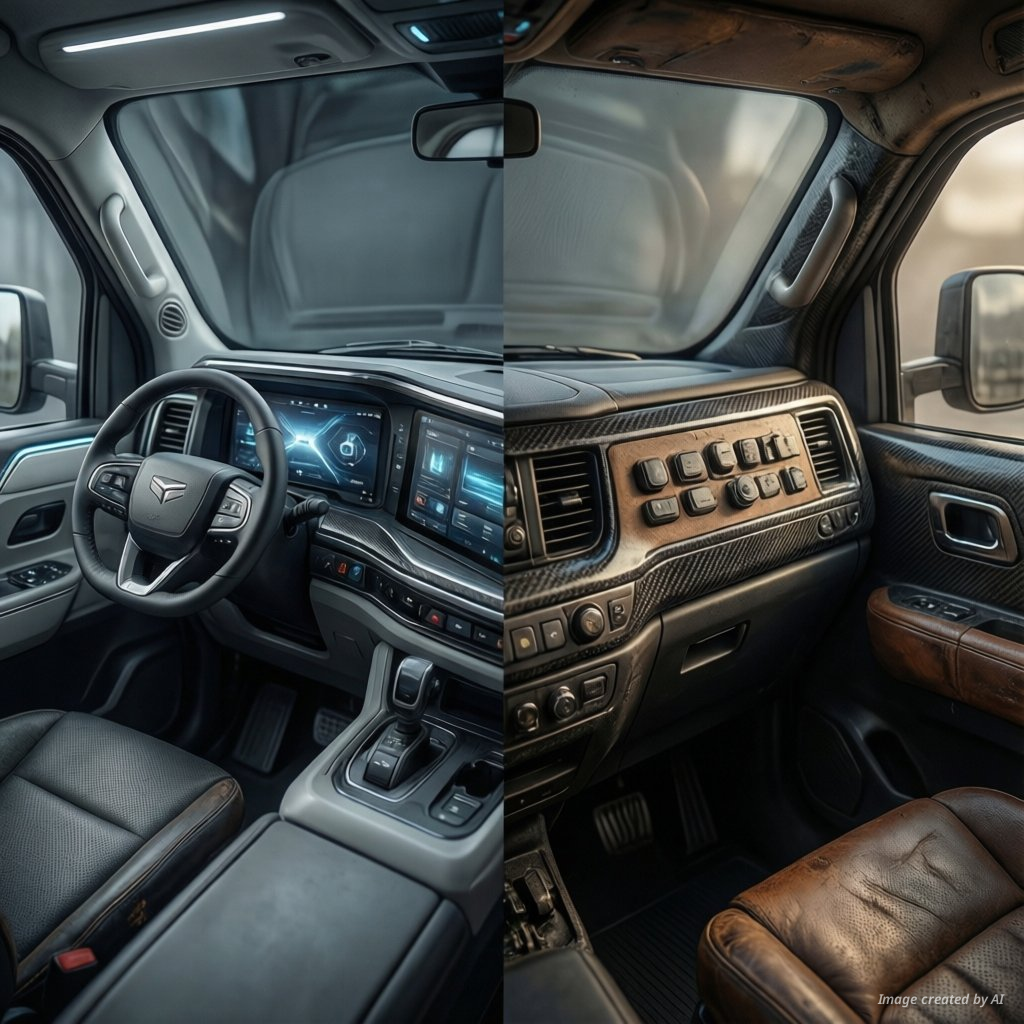
Design plays a crucial role in the appeal of modern trucks. The Ford Raptor features an aggressive, wide-body stance that screams capability. Its interior is functional, rugged, and packed with technology designed for off-road navigation. Ford focuses on ergonomics that work well in dusty or muddy conditions.
Vinfast has taken a futuristic route with the VF Wild. The cabin emphasizes minimalism and digital integration. It utilizes high-quality materials that feel more like a luxury SUV than a traditional work truck. You can learn more about understanding the VF7 advanced driver assistance systems and autonomous driving capabilities to see the tech direction Vinfast is taking across its lineup.
Utility and cargo management
A truck must perform as a tool. The Ford Raptor excels in towing and payload capacity. It remains a benchmark for those who need to haul heavy equipment to remote locations. Its suspension system is specifically tuned for heavy-duty abuse [4].
The VF Wild focuses on modularity. It features a flexible bed design that allows for expanded cargo space. This is a clever solution for urban dwellers who occasionally need to haul oversized items. While it may not match the raw towing numbers of a Raptor, it offers versatility for the modern lifestyle.
Sustainability and the future of manufacturing
Manufacturing processes are becoming just as important as the vehicles themselves. Vinfast is heavily investing in automated production to ensure quality and efficiency [5]. Their focus on electrification aligns with global efforts to reduce carbon emissions. This approach appeals to a new generation of environmentally conscious buyers.
Ford is also transitioning toward electrification with models like the F-150 Lightning. However, the Raptor remains the standard for their internal combustion performance. The coexistence of these two philosophies shows that the market is diverse. There is room for both the roar of a V6 and the silent power of an electric motor.
Making the right choice for your needs
Deciding between these two trucks depends on your priorities. If you require a proven platform for extreme off-roading and long-distance towing, the Ford Raptor is hard to beat. It is a mature product with a massive support network and aftermarket ecosystem.
If you are looking for a forward-thinking vehicle that offers a unique driving experience, the VF Wild is compelling. It represents a shift toward smart, connected, and clean transportation. As electric infrastructure improves, the gap between these two will likely narrow further.
More Information
- Electric vehicle (EV): A vehicle that uses one or more electric motors for propulsion, powered by rechargeable battery packs instead of internal combustion engines, offering reduced emissions and lower maintenance costs.
- Off-road performance: The ability of a vehicle to traverse unpaved surfaces like sand, mud, or rock, typically enhanced by specialized suspension, high ground clearance, and advanced traction control systems.
- Torque: A measure of the rotational force produced by an engine or motor, crucial for acceleration and towing heavy loads, especially at low speeds in off-road environments.
- Payload capacity: The maximum weight a truck can safely carry in its cargo bed and cabin, including passengers, which is a critical metric for utility and work-focused vehicle buyers.
- Automated manufacturing: The use of robotic systems and AI-driven processes in vehicle production to increase precision, reduce waste, and improve the overall consistency of automotive assembly lines.